

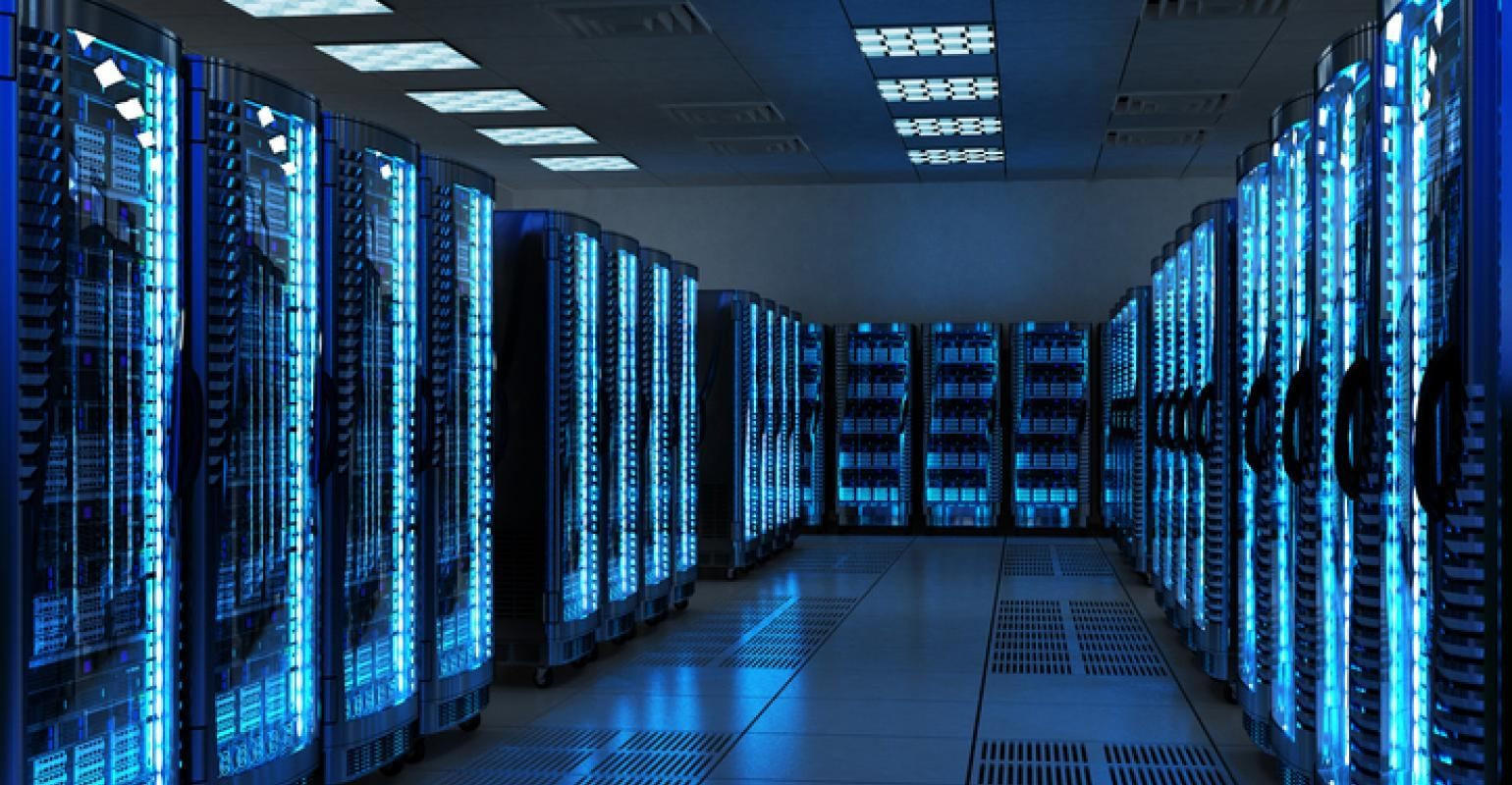
OpenAI, Oracle, and SoftBank have just announced they will build five new AI data centers across the U.S. under their joint “Stargate” infrastructure push, aiming to accelerate the expansion toward a total capacity of 10 gigawatts and $500 billion in investment. Sites will include Shackelford County, Texas; Doña Ana County, New Mexico; one undisclosed Midwest location (all three with Oracle), plus Lordstown, Ohio and Milam County, Texas (in partnership with SoftBank). The announcement, made from OpenAI’s flagship facility in Abilene, Texas, brings Stargate’s planned capacity close to 7 gigawatts and about $400 billion in committed funding, with more sites to be evaluated. The centers are expected to generate over 25,000 onsite jobs; the partners are already deploying Nvidia chips in early facilities and are moving fast to meet their timeline.
Sources: Financial Times, Reuters
Key Takeaways
– The Stargate initiative is scaling rapidly: with these five new centers, the project is approaching ~7 gigawatts of planned capacity and ~$400 billion in committed investment, moving toward the full 10 GW / $500B target.
– Strategic partnerships are key: Oracle is involved in three of the announced new sites, SoftBank in two, showing how OpenAI is leveraging external infrastructure, energy, and design expertise.
– Local and environmental implications matter: large data centers mean jobs, power usage, and water demands; in Texas especially, water scarcity and energy infrastructure will likely become more prominent concerns.
In-Depth
Over the past few months, talk of AI has quite literally moved from algorithms and models to the physical backbone that powers them — data centers, power, cooling, and chips. The Stargate project, a joint venture among OpenAI, Oracle, and SoftBank, is shaping up to be perhaps the most ambitious example. Originally announced in January as a $500 billion, 10-GW U.S. AI infrastructure commitment, Stargate is now making sweeping moves to lock in much of that scale. With today’s announcement of five new sites, the partners bring planned capacity close to 7 gigawatts and investment committed to around $400 billion.
Of the five new centers, three are in collaboration with Oracle (Shackelford County, Texas; Doña Ana County, New Mexico; and an unnamed Midwest site), and two with SoftBank (Lordstown, Ohio; Milam County, Texas). These selections reflect a balancing act: Oracle brings cloud infrastructure and operational scale, SoftBank adds energy and build expertise — especially useful where rapid build + power delivery + favorable permitting matter. The Abilene, Texas flagship site, which was already under construction, serves as both symbol and test bed: it’s already hosting Oracle Cloud infrastructure and Nvidia chips, one of the early active nodes in this sprawling network.
From an economic perspective, the announcement promises more than just server racks. Over 25,000 jobs are expected on site across these new data centers, with additional downstream or supply chain employment. Local communities will benefit from construction spending, infrastructure investment, and tax revenues. But that comes with trade-offs. Power demand is enormous; cooling and water usage are key concerns, especially in places like West Texas, which already face heat stress and water scarcity. The announcement tries to address some of these environmental concerns — for example describing cooling systems with closed-loop designs, and noting that after initial fill the water demands taper. Still, skeptics will want detailed plans: how energy is sourced (renewables vs fossil vs grid expansion), how local ecosystems are protected, and how infrastructure (roads, transmission, water) will scale.
One of the most interesting non-technical challenges here is financing and timing. Stargate is using partners and leveraging capital from firms like Oracle and SoftBank, plus deals for GPUs (notably with Nvidia) to supply the hardware backbone. But aligning real estate, permitting, power capacity, cooling infrastructure, and local regulatory approvals at scale is historically slow. Announcing five sites is one thing; getting full build-out, operation, and efficiency at scale is another. If the partners can deliver on their timelines, the U.S. could solidify its lead in AI infrastructure — but missteps could leave gaps (in energy, environmental acceptability, or delays) that competitors might exploit.
In short: Stargate is no longer a concept. It’s turning into a concrete campaign to define how the U.S. builds its AI future — physically, economically, and environmentally. Its success or failure will depend on execution, on balancing the urgent need for computing scale with the less glamorous but critical realities of energy, water, local impact, and logistics.