

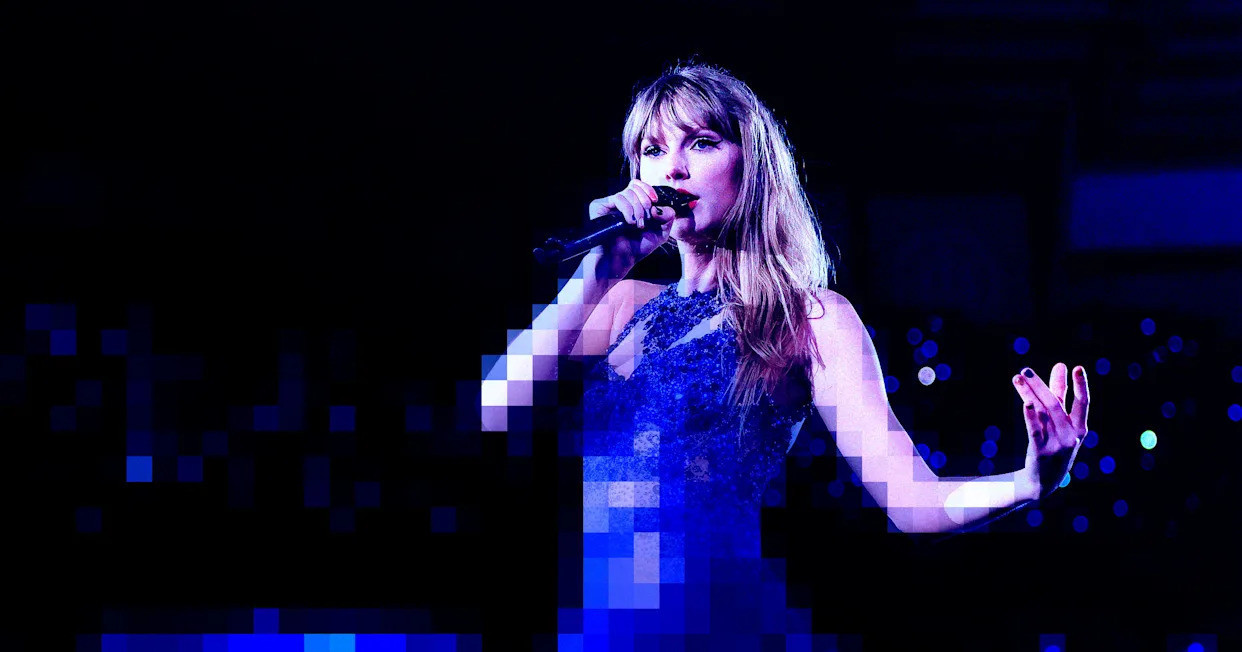
Taylor Swift is under fire after fans accused her of using low-quality, glitchy AI to generate short promo clips tied to her new album The Life of a Showgirl. In a trek-style campaign where QR codes at “orange doors” in cities unlock videos, people noticed odd visual errors—missing letters in book titles, objects bleeding into each other, weird physics—that suggest generative AI use. (The official videos were later made private, and no confirmation has come from Swift’s team.) Critics point out the irony: Swift has long advocated for proper compensation for artists and condemned AI deepfakes, making this backlash sting harder. Articles in Newsweek, TechCrunch, and WebproNews highlight the tension between her public stance and what many perceive as a cost-cutting promo strategy.
Sources: WebPro News, Newsweek
Key Takeaways
– Fans identified visual errors in Swift’s promo clips typical of AI generation (e.g. warping, missing text), sparking accusations of “AI slop.”
– The move clashes with Swift’s prior criticisms of AI deepfakes and her advocacy for artist rights, opening her up to charges of hypocrisy.
– Her team has not publicly confirmed or denied the use of AI; the official videos were taken offline, fueling speculation.
In-Depth
Taylor Swift’s promotional campaign for The Life of a Showgirl adopted an ambitious multimedia treasure hunt: 12 “orange doors” across global cities each unlock a video via QR codes, designed to build hype and intrigue. But some of the clips set off alarm bells among fans. Viewers noticed visual oddities inconsistent with traditional video production—floating or distorted objects, missing letters on book spines, mismatched physics between props and environments. These are classic signs of sloppy generative AI rendering. Some “bartender’s middle finger” elements appeared to bleed into adjacent napkins; in other frames, props lose consistency or alignment mid-scene.
These discoveries ignited criticism on social media. Swift, now a multibillionaire, is being called out for apparently cutting corners in a high-budget rollout. Critics are pointing out that for someone with access to top-tier creative teams, using glitchy AI visuals feels tone-deaf—and worse, contradictory to her own public positions. Swift has previously spoken out against AI deepfakes of her likeness and argued for artist rights in the evolving age of generative tech.
To date, her camp hasn’t explicitly addressed whether the clips were AI-generated. The official videos were removed from public view on YouTube, raising further questions about intent and coverup. The silence adds fuel to speculation that the AI use was intentional but later buried to avoid reputational fallout. This episode underscores a tension in today’s entertainment world: the appeal of AI tools for scale and cost-efficiency, weighed against authenticity, audience trust, and artistic integrity. In Swift’s case, the backlash suggests that fans expect more care (and consistency) from one of pop’s most scrutinized stars.