

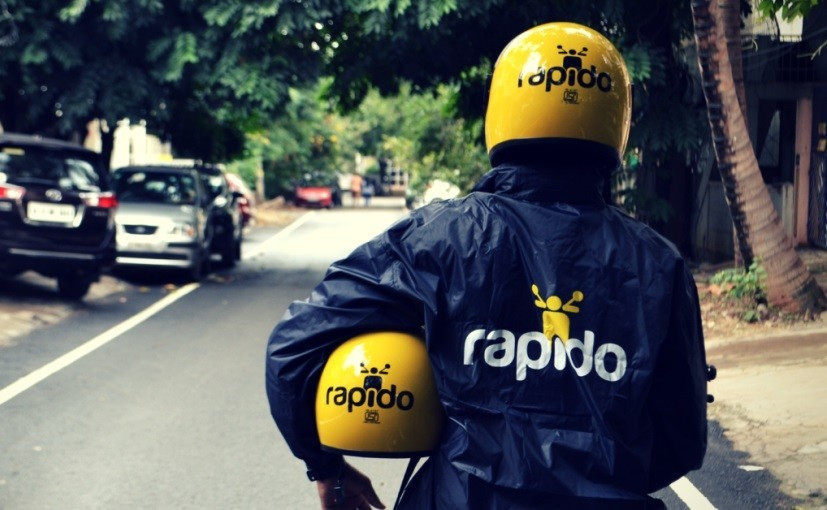
India’s bike-taxi startup Rapido has seen its valuation leap to US$2.3 billion following Swiggy’s decision to sell its ~12% stake in the company—roughly ₹2,399 crore (~US$270 million) across two transaction tranches. The buyers include Dutch investment firm Prosus (buying ~10%) and WestBridge Capital (acquiring the remainder), both already tied into India’s startup ecosystem. This latest funding move more than doubles Rapido’s valuation from September 2024, when it was pegged at ~US$1.1 billion. The timing is notable: Rapido has recently piloted entry into the food-delivery space—directly challenging Swiggy’s core business—creating potential conflict of interest and likely motivating Swiggy’s exit.
Sources: Reuters, TechCrunch
Key Takeaways
– Valuation Surge: The deal pushes Rapido’s valuation from ~US$1.1B to US$2.3B, signaling strong investor confidence in its growth trajectory and business model.
– Strategic Exit: Swiggy’s full divestment reflects its need to avoid conflict as Rapido moves into adjacent markets, and to reallocate capital amid rising costs and competition.
– Aggressive Expansion: Rapido’s push into food delivery could intensify rivalry with incumbents like Swiggy and Zomato, forcing margin pressures and strategic shifts across the industry.
In-Depth
Rapido has long stood out in India’s mobility space as a nimble, bike-taxi–first platform, gaining traction in urban centers and expanding into auto rickshaw and logistics segments. The recent move to pilot food deliveries in Bengaluru via its subsidiary Ownly underscores its ambition to challenge horizontal platforms on multiple fronts. It’s precisely this kind of encroachment that likely spurred Swiggy to divest its stake: when your partner becomes a competitor, the strategic alignment frays.
Swiggy’s stake sale—₹2,399 crore in aggregate—was split between Prosus and WestBridge, with Prosus taking the lion’s share (~₹1,968 cr) and WestBridge buying the rest (~₹431 cr). For Swiggy, which has been burning cash in its competitive quick-commerce and delivery arms, this infusion helps shore up liquidity. But analysts caution that this is likely a stopgap, not a permanent fix, given the cost intensity of last-mile delivery and the ongoing need for operational investment. From Rapido’s perspective, this sale serves the dual purpose of recapitalizing the company and providing liquidity for early investors and employees—while locking in new strategic partners.
In broader context, Rapido’s deal comes at a moment when Indian startups are under pressure to demonstrate not just scale but pathway to profitability. Reports suggest Rapido is targeting a $500–550 million raise via primary and secondary deals to fuel expansion—and Swiggy’s exit may help clear conflicting ownership constraints. Many observers will view this as a test case: can a mobility-first firm successfully pivot into adjacent ventures like food or quick commerce without undermining its core strength?
For Swiggy, the calculus is even more delicate. As it transfers its Instamart quick commerce business internally (via a slump sale) and intensifies capital discipline, the exit from Rapido gives it breathing room to refocus on core operations. Yet, by relinquishing exposure to mobility, Swiggy may lose a front in the integrated logistics battles that mark India’s platform wars. Meanwhile, for Rapido, this moment is a launching pad: armed with new capital and strategic backing, it must prove it can scale beyond rides into competitive delivery verticals—without sacrificing execution or unit economics. The next year will test whether Rapido can convert its valuation bump into sustainable dominance across sectors.