

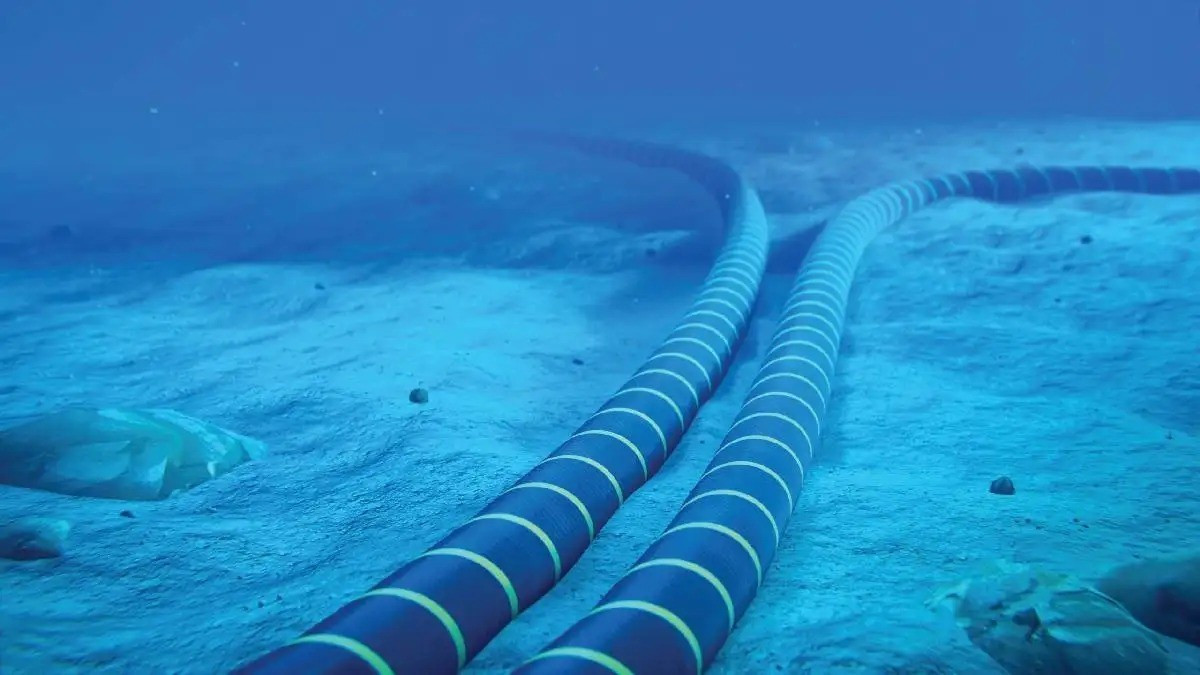
A wave of undersea cable breaks in the Red Sea—especially affecting the SEA-ME-WE-4 and IMEWE systems near Jeddah, Saudi Arabia—has triggered widespread internet slowdowns and elevated latency for Microsoft Azure users whose traffic routes through the Middle East. While Microsoft rerouted network traffic via alternate paths to avert total outages, some performance degradation has persisted, particularly for users in South Asia and Gulf nations. Telecom operators like du and Etisalat confirmed connectivity lags in the UAE, and analysts warn that repairs may take weeks, underscoring the fragility inherent in the region’s critical subsea infrastructure.
Sources: Times of India, Reuters, Tom’s Hardware
Key Takeaways
– Critical chokepoint revealed: The Red Sea remains a high-stakes nexus for global internet traffic, making even localized subsea infrastructure damage capable of cascading effects worldwide.
– Azure stable but slower: Microsoft successfully rerouted Azure traffic to maintain services, yet the performance hit highlights cloud platforms’ vulnerability to physical network disruptions.
– Strategic imperative for resilience: Given the slow, complex repair process, enterprises and service providers must invest in diversified routing, backup systems, and contingency plans to withstand similar future disruptions.
In-Depth
The recent undersea cable cuts in the Red Sea have once again exposed the delicate underpinnings of the global internet. These cables—including SEA-ME-WE-4 and IMEWE, vital arteries linking Europe, Asia, and the Middle East—were severed near Jeddah, leading to increased latency and slower performance for millions of users, especially across South Asia and the Gulf region. Microsoft, acknowledging the issue, wisely rerouted Azure traffic along alternate paths. Though service stayed online, the rerouting resulted in measurable slowdowns—enough to disrupt latency-sensitive operations like real-time APIs, cloud apps, and large file transfers.
Telecom operators in the UAE, such as du and Etisalat, confirmed widespread slowdowns, affirming that the disruption extended well beyond Microsoft or any single provider. The repair process for such cables is anything but swift—complex logistics, limited availability of repair ships, and geopolitical hurdles make the Red Sea a particularly challenging zone to restore physically. Experts caution this isn’t an isolated incident; similar damage occurred earlier this year and in 2024.
From a pragmatic standpoint, the incident underscores the essential principle of infrastructure redundancy. Today’s interconnected economies rely on uninterrupted digital pathways—not just for social media and entertainment, but for banking, logistics, manufacturing, and more. Businesses and governments must anticipate these singular points of failure. That means diversifying cloud routing, investing in satellite or terrestrial fallback systems, and demanding transparency from providers about physical cable dependencies. Repair may take weeks, but preparation should take just as seriously—possibly more so.