

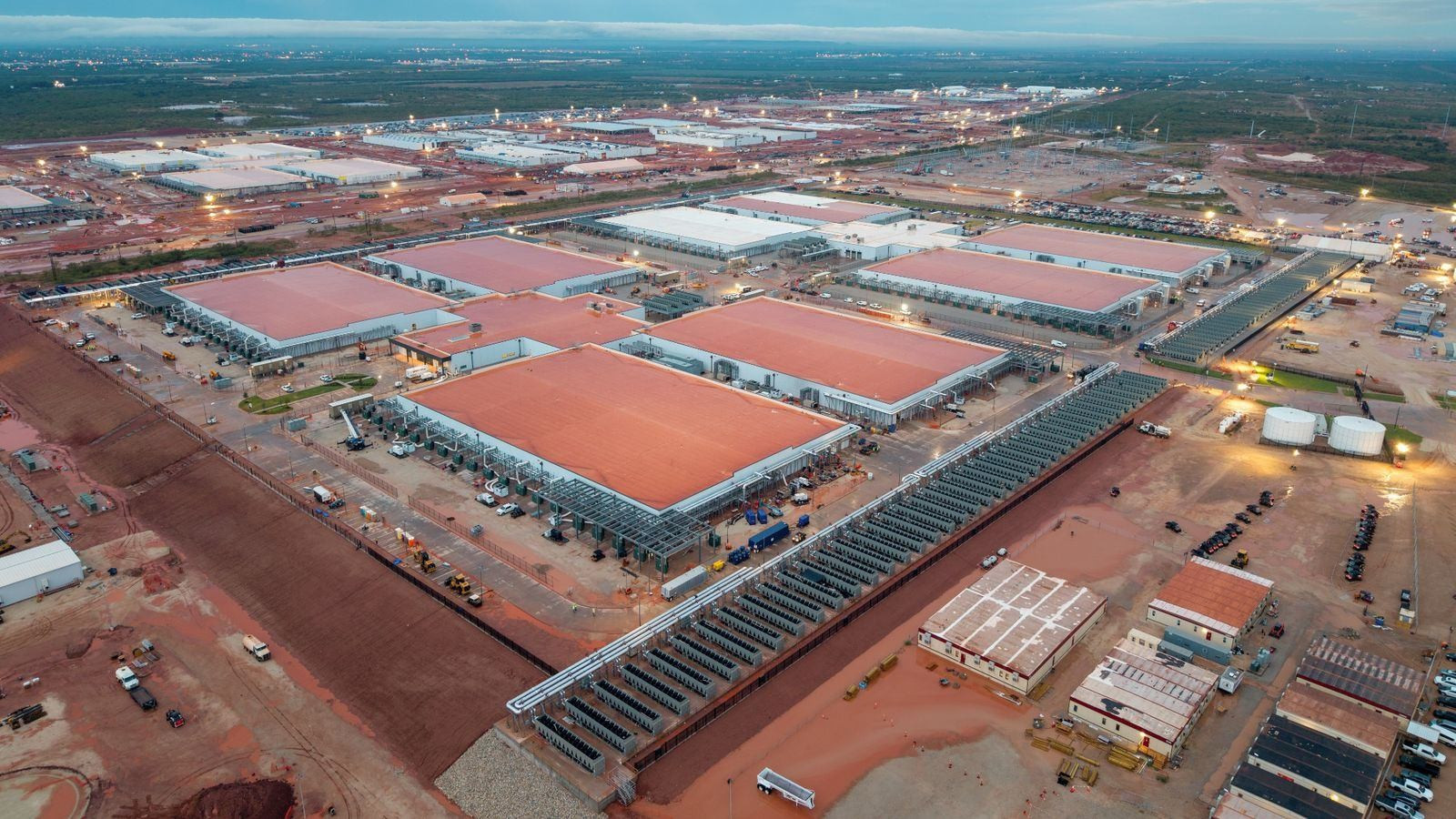
In response to surging electricity bills, political candidates across the spectrum are increasingly pointing fingers at data centers as major culprits, arguing that these energy-intensive facilities are disproportionately driving up costs for everyday ratepayers. In Virginia, for example, both Republican and Democratic contenders have proposed moratoria or stricter oversight on new data center construction, framing the issue as one of fairness and local control. Critics highlight how massive utility bills tied to AI and cloud infrastructure are being passed on to consumers, while defenders of data centers point to their economic benefits and argue that broader grid policies and incentives are the real levers of change.
Key Takeaways
– Data centers are being portrayed as a political lightning rod: even across party lines, candidates are using them as a framing device to criticize rising electricity costs.
– The growth of AI, cloud computing, and data infrastructure has pushed wholesale electricity prices dramatically higher in regions near dense data center clusters.
– While implicating data centers is becoming politically expedient, deeper debates are emerging over grid regulation, utility incentives, and who should bear the extra costs.
In-Depth
It’s rare to see something like an electricity bill — a typically wonky, technical matter — emerge as a central flashpoint in political battles. But that’s exactly what’s happening as households keenly feel the pinch of escalating power costs. Across municipal races and state-level contests, candidates have found a shared target: data centers. These massive, energy-hungry facilities, largely built to support AI, cloud services, and large-scale computing, are now being accused of offloading their power burden onto regular citizens.
Take Virginia, where open seats on county boards and even the legislature are being contested over the expansion of data center campuses. One Republican candidate in Prince William County publicly called to “block all future data centers,” and his Democratic rival, hardly a free-market minimalist, agreed that unchecked growth is creating an unsustainable strain on local utilities. Neither promised to chase them out entirely, but both are leaning hard into regulatory pauses or tougher tax burdens. The message is clear: data center builders might bring capital, but citizens see the utility bills.
This trend isn’t just local theater. Behind the scenes, wholesale electricity near data center clusters has risen sharply, sometimes as much as 200-plus percent over five years. Analysts trace that back to load congestion, increased infrastructure demands, and the need for utilities to upgrade lines and transformers. When you add in the monopolistic structure of many utilities — and the way regulators allow cost recovery across all ratepayers — the added demand from data centers can bleed into everyone’s monthly bill.
Still, there is pushback. Some industry and policy voices argue that data centers are scapegoats for deeper systemic issues in grid design, regulatory lag, and stagnant investment in generation capacity. They say if we blame every new “big consumer,” we’ll discourage future innovation. And yes, data centers do bring jobs, property taxes, and modern infrastructure.
What we’re seeing now is a political rebalancing. For years, tech investment and AI were broadly celebrated with incentives and tax breaks. But now, as the costs become tangible to voters, there’s growing pressure to reevaluate — who pays, who benefits, and where the regulatory lines should lie.