

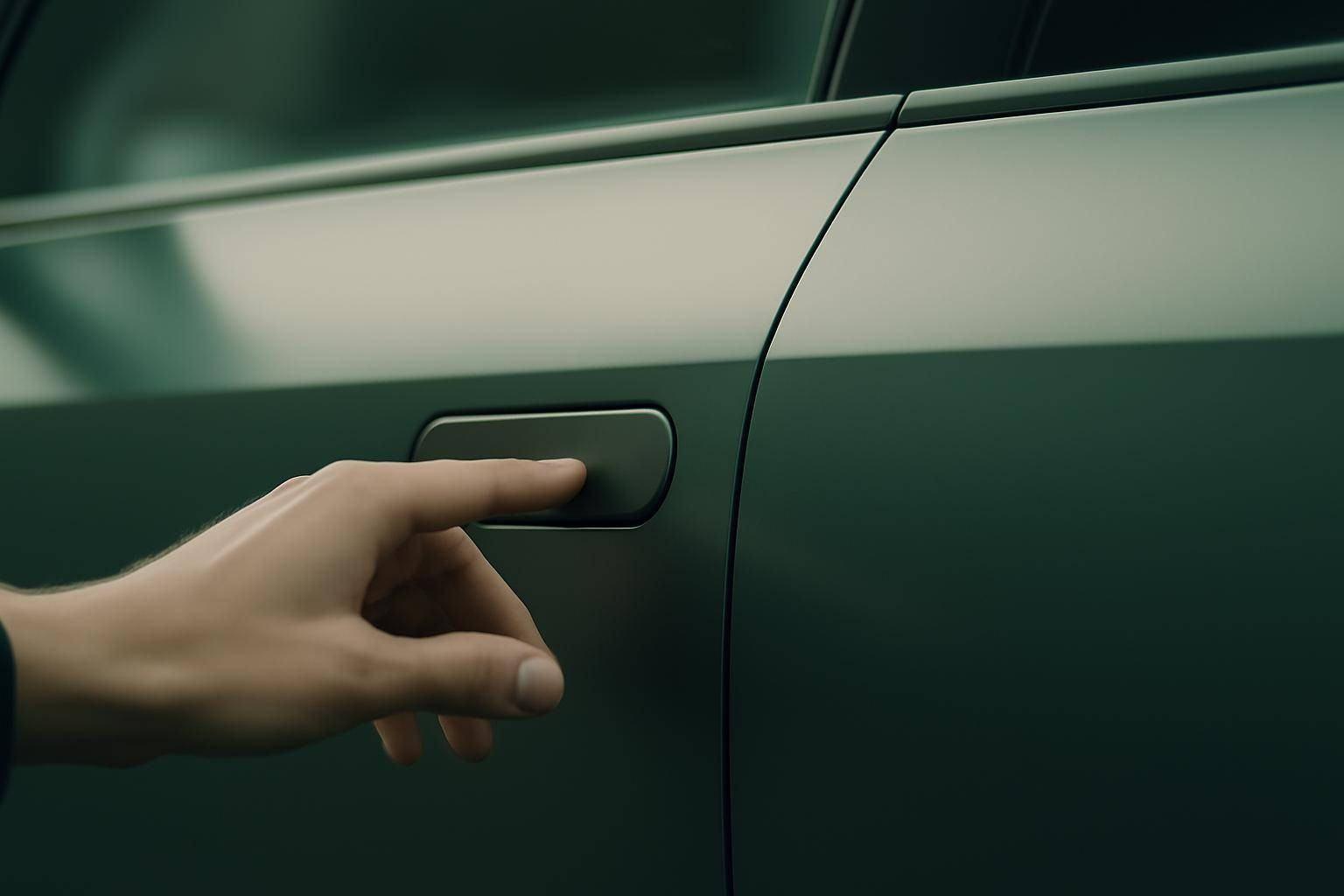
Rivian is reworking the interior door handle design for its upcoming R2 SUV after staffers and customers flagged safety concerns tied to the current system’s emergency release placement, Bloomberg reports. The new approach moves the manual overrides into a more visible spot closer to the electrically actuated handles. This redesign comes in the shadow of a growing federal inquiry into Tesla‘s flush-style electronic doors, which critics say have trapped passengers in power-loss emergencies. The U.S. safety regulator is now investigating roughly 174,000 Tesla Model Y vehicles over reports that low voltage caused exterior door handles to fail, preventing reentry and forcing some owners to break windows. Meanwhile, Tesla has announced plans to integrate its electronic and manual door release systems to make them more intuitive in crisis scenarios.
Key Takeaways
– Rivian’s redesign shifts its interior manual door releases closer to the electronic actuation points to improve visibility and usability in emergencies.
– The initiative is partly responsive to regulatory scrutiny of Tesla’s door systems, especially after complaints that electronic handles failed during power loss.
– Tesla is now working to merge its electronic and mechanical door release mechanisms in future models to enhance safety and user experience.
In-Depth
Electric vehicle makers have long embraced sleek, electronically actuated door handle systems for aesthetic appeal and aerodynamic advantages. But as more incidents surface involving trapped occupants due to handle failures under low power conditions, that design choice is increasingly under the spotlight. Rivian’s decision to redesign the door mechanisms in its upcoming R2 model reflects a sober recognition that functionality and safety can’t be sacrificed for gloss.
Rivian’s prior models adopted a setup where the rear doors required passengers to remove part of a trim panel and run a cord to trigger a mechanical release. That hidden approach has drawn criticism—not only from drivers unfamiliar with the car’s layout but also from those inside a vehicle during a panic. The revised plan for the R2 places the backup release near the electronic control, reducing confusion and response time in emergencies.
Tesla is squarely in the crosshairs. The U.S. National Highway Traffic Safety Administration has initiated a probe into roughly 174,000 Tesla Model Ys from 2021 after numerous reports that external door handles ceased functioning during low-voltage scenarios. In several instances, owners say they were unable to reenter their own vehicles and resorted to breaking windows to rescue children or themselves. Tesla claims a manual override system exists, but critics argue it’s neither intuitive nor easily accessed in high-stress situations.
To adapt, Tesla is now exploring a hybrid design—melding electronic and mechanical controls into one more user-friendly interface. That’s a telling shift, acknowledging that elegant designs are worthless if basic safety fails. For Rivian, avoiding a similar backlash is not just about competitive optics; it’s about protecting future occupants and minimizing exposure to regulatory or legal risks. While the redesign focuses initially on the R2, the logic suggests Rivian may eventually roll similar improvements across its entire family. In an era where public perception and safety reputation are primary assets for EV makers, one overlooked handle shouldn’t be the downfall.