

Close Menu

    Subscribe to Updates

    Get the latest creative news from FooBar about art, design and business.

    What's Hot

    Joby Aviation Expands Ohio Footprint to Ramp Up U.S. Air Taxi Production

    January 13, 2026

    Amazon Rolls Out Redesigned Dash Cart to Whole Foods, Expands Smart Grocery Shopping

    January 13, 2026

    OpenAI Debuts ChatGPT Health With Medical Records, Wellness App Integration

    January 13, 2026
    Facebook X (Twitter) Instagram
    • Tech
    • AI News
    Facebook X (Twitter) Instagram Pinterest VKontakte
    TallwireTallwire
    • Tech

      Joby Aviation Expands Ohio Footprint to Ramp Up U.S. Air Taxi Production

      January 13, 2026

      Amazon Rolls Out Redesigned Dash Cart to Whole Foods, Expands Smart Grocery Shopping

      January 13, 2026

      Tech Firms Tackle Backlash by Redesigning Data Centers to Win Over Communities

      January 13, 2026

      OpenAI Debuts ChatGPT Health With Medical Records, Wellness App Integration

      January 13, 2026

      Malicious Chrome Extensions Compromise 900,000 Users’ AI Chats and Browsing Data

      January 12, 2026
    • AI News
    TallwireTallwire
    Home»Tech»Russia’s ‘Buzzer’ Broadcasts Fuel Nuclear Anxiety Amid Cold-War Echoes
    Tech

    Russia’s ‘Buzzer’ Broadcasts Fuel Nuclear Anxiety Amid Cold-War Echoes

    Updated:December 25, 20252 Mins Read
    Facebook Twitter Pinterest LinkedIn Tumblr Email
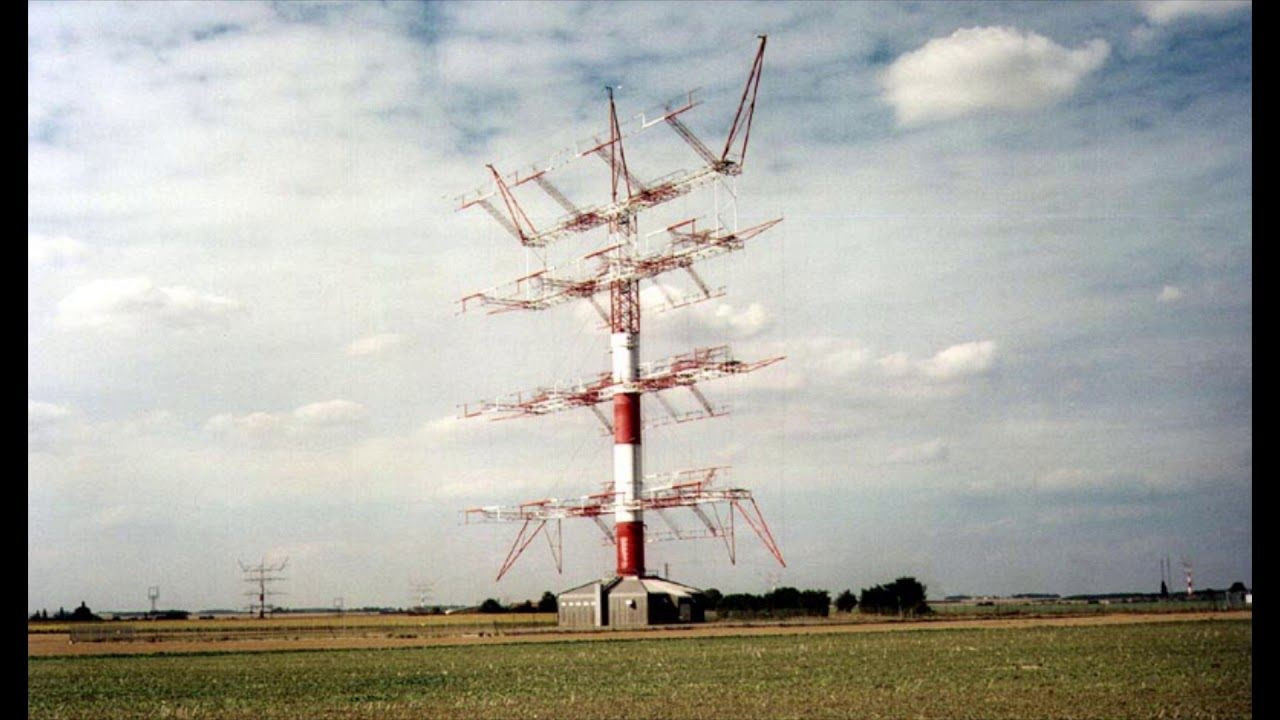
    Russia’s 'Buzzer' Broadcasts Fuel Nuclear Anxiety Amid Cold-War Echoes
    Russia’s 'Buzzer' Broadcasts Fuel Nuclear Anxiety Amid Cold-War Echoes
    Share
    Facebook Twitter LinkedIn Pinterest Email

    Russia’s decades‑old shortwave radio station, UVB‑76—colloquially known as “The Buzzer”—has long emitted a monotonous buzzing tone on 4625 kHz, occasionally interrupted by cryptic Russian voice messages. While experts largely view the station as a standard military communications relay serving Russia’s vast territory, recent surges in transmissions and heightened mentions in state-run media amid rising U.S.–Russia tension have amplified public speculation—especially around links to Russia’s infamous “Dead Hand” nuclear failsafe system. This renewed mystique is being leveraged for psychological and geopolitical signaling. 

    Sources: Wired, The Sun

    Key Takeaways

    – Persistent yet enigmatic communication tool: UVB‑76 has broadcast an uninterrupted buzzing signal since the Cold War, punctuated only sporadically by subtle coded messages.

    – Strategic ambiguity as leverage: While its practical function is likely mundane military coordination, the station’s symbolism—especially its ties to an alleged nuclear death‑hand system—amplifies its impact in modern information warfare.

    – Media and state actors amplify fear: Recent spikes in broadcasts, especially around geopolitical flashpoints, are gaining coverage in Russian media, lending credence—real or otherwise—to doomsday narratives.

    In-Depth

    Let’s keep things straightforward: Russia’s UVB‑76—“The Buzzer”—has long been the electrical hum on shortwave radios that gets everyone’s conspiracy meter buzzing. Since the late 1970s, at 4625 kHz, this stubborn little signal has droned on day and night, breaking only occasionally for a few cryptic Russian phrases. Most military experts dismiss the spooky theories. To them, UVB‑76 is just a steady channel marker, clearing the airwaves so essential military comms don’t get garbled across Russia’s huge expanse.

    But here’s where the drama kicks up a notch. Recently, amid rising global tensions, the station’s activity spiked—it blasted out more messages in single days than it typically does. That, paired with coverage in state media, sparked whispers of a nuclear “Dead Hand” device—a last‑ditch failsafe that’ll supposedly retaliate if command is destroyed. Sure, analysts say that’s unlikely in practice. Truth is, UVB‑76 may be less of an actual doomsday switch and more of a psychological dial—twisted precisely to heighten uncertainty, sow fear, and feed headlines.

    The beauty of this mystery? It’s simple, unverified, and yet it makes people wonder—and worry. In the information age, such ambiguity can do more than any missile test. UVB-76 doesn’t launch warheads—but it may just launch narratives.

    Share. Facebook Twitter Pinterest LinkedIn Tumblr Email
    Previous ArticleRussia Claims to Release “Cancer Vaccine” Accelerated by AI. What We Know About the Claim.
    Next Article Sakana AI’s Natural-Evolution-Inspired Algorithm Makes Merging AI Models Cheaper and Smarter

    Related Posts

    Amazon Rolls Out Redesigned Dash Cart to Whole Foods, Expands Smart Grocery Shopping

    January 13, 2026

    Joby Aviation Expands Ohio Footprint to Ramp Up U.S. Air Taxi Production

    January 13, 2026

    Tech Firms Tackle Backlash by Redesigning Data Centers to Win Over Communities

    January 13, 2026

    OpenAI Debuts ChatGPT Health With Medical Records, Wellness App Integration

    January 13, 2026
    Add A Comment
    Leave A Reply Cancel Reply

    Editors Picks

    Joby Aviation Expands Ohio Footprint to Ramp Up U.S. Air Taxi Production

    January 13, 2026

    Amazon Rolls Out Redesigned Dash Cart to Whole Foods, Expands Smart Grocery Shopping

    January 13, 2026

    Tech Firms Tackle Backlash by Redesigning Data Centers to Win Over Communities

    January 13, 2026

    OpenAI Debuts ChatGPT Health With Medical Records, Wellness App Integration

    January 13, 2026
    Top Reviews
    Tallwire
    Facebook X (Twitter) Instagram Pinterest YouTube
    • Tech
    • AI News
    © 2026 Tallwire. Optimized by ARMOUR Digital Marketing Agency.

    Type above and press Enter to search. Press Esc to cancel.