

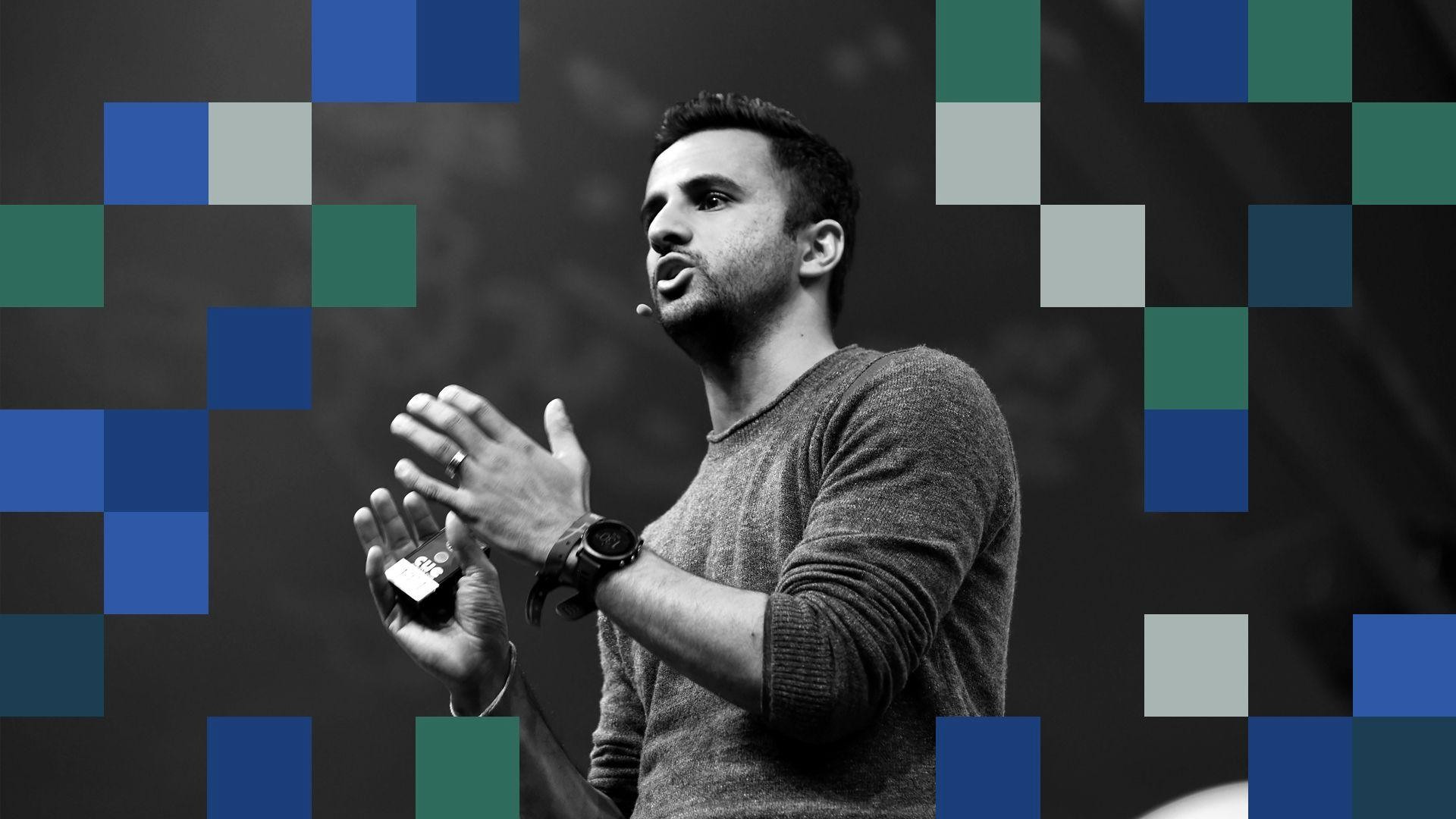
Ethan Agarwal, a startup veteran who co-founded fintech firm The Coterie and fitness app Aaptiv—collectively raising and dealing in the tens of millions from prestigious VC firms—has declared his candidacy for the 2026 California governor’s race. Described by Axios as “a Democrat who believes in capitalism,” Agarwal frames his campaign around alleviating the skyrocketing cost of living and doing business in the state, arguing that California needs someone with business and tech savvy to address systemic issues that others haven’t—particularly around regulations like CEQA that he sees as stifling housing, infrastructure, film production, and autonomous vehicle testing. His run is backed by Silicon Valley heavyweights—DoorDash co-founder Stanley Tang and Y Combinator president Garry Tan among them—and he’s already planning fundraising events and updated his LinkedIn to “Candidate for Governor.”
Sources: AInvest, Axios, TechCrunch
Key Takeaways
– Business & Tech Credentials as Political Capital — Agarwal stands out in the crowded field by emphasizing his private-sector success, including founding and exiting two VC-backed startups, and arguing that this experience uniquely equips him to tackle California’s economic and regulatory challenges.
– Regulatory Reform as Campaign Core — A central tenet of his platform is curtailing regulatory roadblocks like CEQA, which he blames for blocking housing, infrastructure, film shoots, and autonomous vehicle development—a liberal-leaning plan with a pro-growth, deregulatory bent.
– Silicon Valley’s Rising Political Influence — With the support of high-profile figures such as Garry Tan and Stanley Tang, Agarwal’s run exemplifies the growing role of tech entrepreneurs in state-level politics, representing a shift toward governance informed by tech-centric perspectives.
In-Depth
Ethan Agarwal’s entry into the 2026 California governor’s race signals more than just another Democratic candidacy—it underscores the ascent of a business-minded class eager to reshape the state’s political landscape.
Having built and sold two startups that collectively earned over a hundred million in venture capital—from The Coterie to Aaptiv—Agarwal brings formidable private-sector chops to a campaign rooted in economic pragmatism. He openly criticizes regulatory structures like CEQA, stating they’ve morphed from environmental safeguards into bureaucratic impediments that hurt housing development, infrastructure projects, and even film shoots and autonomous testing. In Agarwal’s view, only someone steeped in tech and business can streamline California’s tangled policies without sacrificing growth.
His campaign is buoyed by Silicon Valley’s elite—DoorDash co-founder Stanley Tang and Y Combinator’s Garry Tan are already hosting fundraising events—hinting at the deeper financial and network advantages Agarwal enjoys. Yet the path ahead is steep; he enters a crowded primary field with limited statewide recognition. Still, his appeal to young voters, tech workers, and Indian-American communities, combined with a pro-capitalism, results-oriented messaging, could differentiate him from more traditional Democrats.
In many ways, Agarwal is the embodiment of a broader political trend: technocrats stepping into electoral roles, offering efficiency-focused platforms in response to voters’ disillusionment with gridlock and red tape.