

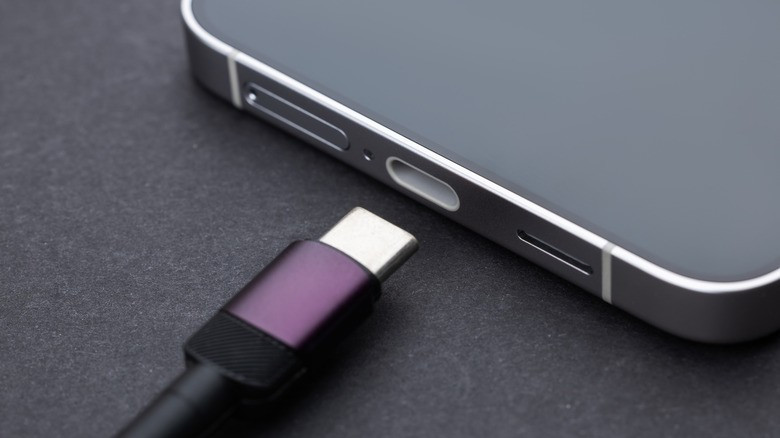
A recent article highlights a growing trend in the smartphone industry: manufacturers may begin shipping devices without bundled USB-C cables. The story cites a Reddit post showing the Sony Xperia 10 VII arriving with no charger and no cable, using iconography on the box to indicate the omissions. The move mirrors earlier steps by several OEMs to drop power bricks from packaging, and is framed as a way to reduce costs, shrink packaging, and cut e-waste. Critics argue it may push consumers toward lower-quality third-party cables or force extra purchases.
Sources: Android Authority, Android Headlines
Key Takeaways
– The removal of bundled USB-C cables is emerging as the next step after dropping wall chargers, as manufacturers seek marginal cost savings and reduced carbon impact.
– Environmental arguments are central to this change, but business incentives—including upselling official accessories—play a significant role.
– Regulatory trends in some markets (like new EU rules for durable, repairable devices) might limit how far this goes, especially where repairability and consumer rights are mandated.
In-Depth
We’ve grown used to getting phones in minimalist boxes—spoiler: the wall charger is typically gone—but the next accessory likely to vanish is the USB-C cable itself. The Sony Xperia 10 VII was shipped without a cable in the box. The packaging even uses icons to explicitly warn buyers that neither charger nor cable is included. Industry watchers expect this to be a tipping point, with more manufacturers following suit.
The environmental rationale is compelling: many users already have extra USB-C cables lying around, so omitting them could cut down on waste. A lighter box means more units per shipment, lower transport costs, and reduced carbon footprint per device. From the manufacturer’s perspective, skipping that cable saves a few cents per unit—which scales into real profit when you’re producing millions.
However, the move is not without tradeoffs. Some tech commentators warn that consumers pushed into buying their own cable might gravitate toward cheap, low-quality third-party options, leading to faster wear, poor performance, or even safety risks. Meanwhile, manufacturers can monetize official accessory sales—supplying “certified” high-margin cables that lock users into their ecosystem.
Complicating the picture, regulatory environments could push back. In the European Union, new ecodesign and energy labeling rules (effective June 2025) mandate stronger durability, repairability, transparency regarding component longevity, and easier access to spare parts. Devices must also carry repairability scores to inform consumers. Such rules might limit how aggressively manufacturers can strip bundled accessories if repair and consumer rights are at stake.
In short: the trend away from bundled chargers is now creeping into cable territory. For consumers, it means more responsibility to source reliable cables; for manufacturers, it’s another vector for cost control and upselling. Whether this becomes an industry standard depends on a delicate balance of economics, consumer acceptance, and regulatory guardrails.