

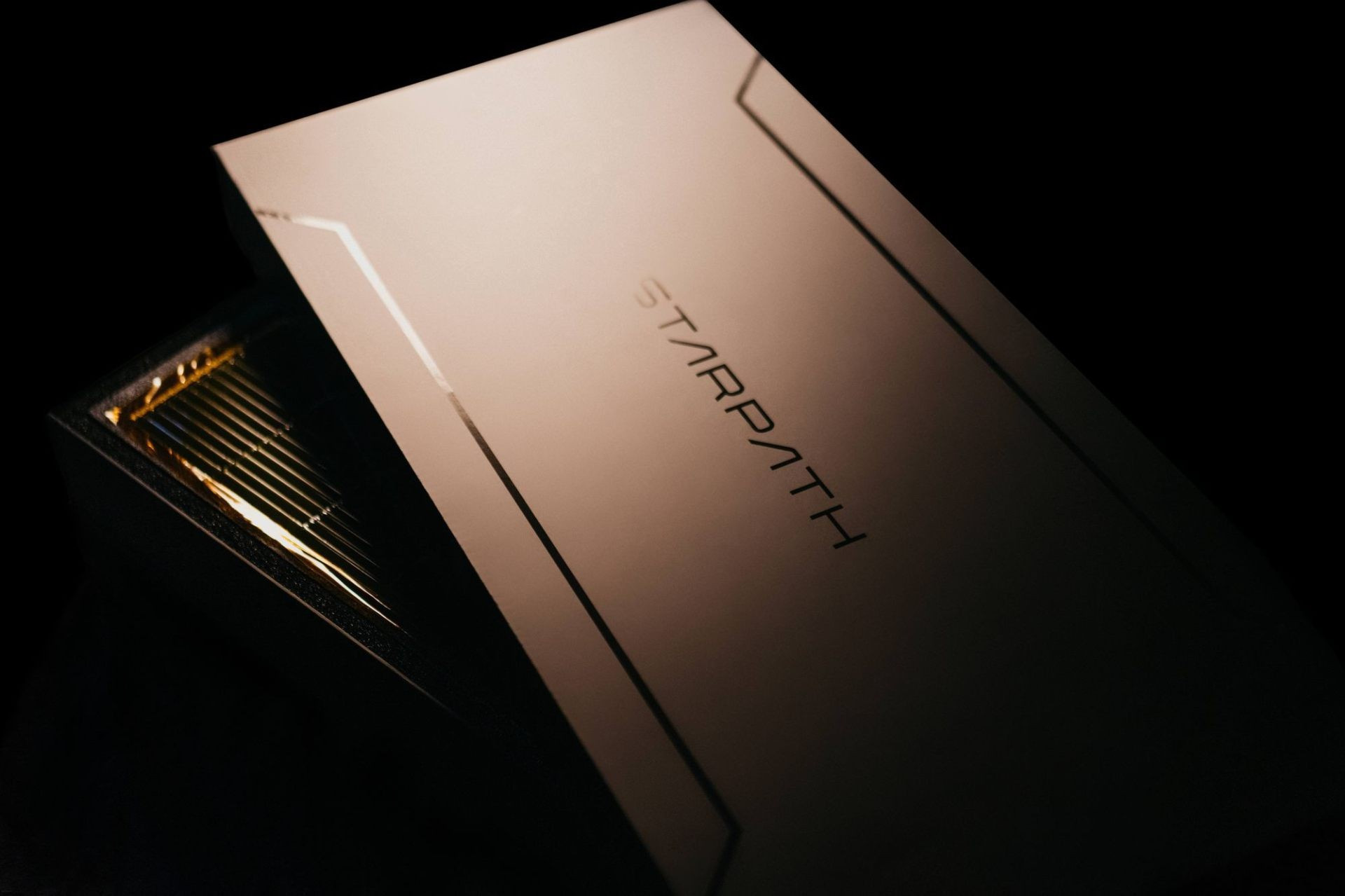
Starpath just launched its “Starlight” space-rated solar panels at a jaw-dropping $9.81 per watt for engineering units and $11.20 per watt for flight-grade versions, claiming a nearly 90 % reduction from current industry standards of $75–250 per watt. Their strategy relies heavily on an automated, in-house production line that the company says could by next year outproduce the entire world’s supply of space-rated solar combined. Beyond simply selling to others, Starpath plans to consume around 98 % of its own output for its own off-world infrastructure ambitions, including lunar and Mars power systems. (TechCrunch)
Meanwhile, the broader field of space-based solar power is gaining momentum: analysts point to falling launch costs and improved technologies as making near-continuous orbital energy more feasible. (PV Magazine)
At the same time, skeptics caution that lifecycle costs, transmission losses, and regulatory obstacles could still hinder commercial viability. (CipherNews)
Sources: PV Magazine, CipherNews
Key Takeaways
– Starpath’s pricing shock challenges entrenched space solar economics and could catalyze new demand dynamics.
– Industry trends—like cheaper launch and modular solar systems—are aligning to make space solar more plausible than ever.
– Technical and economic hurdles—especially in power beaming, long-term reliability, and regulation—remain significant roadblocks.
In-Depth
When a startup announces it will undercut industry pricing by nearly 90 %, it deserves some scrutiny—yet that’s exactly what Starpath is doing. On September 25, Starpath revealed its “Starlight” line of space-rated solar panels, with an engineering model at $9.81 per watt and a flight model at $11.20 per watt. These prices are in stark contrast to the current norms of $75 to $250 per watt. Starpath attributes the reduction to an automated internal production line, which it claims—though not in full public detail—can scale rapidly. The company even asserts that within a year its production capacity might exceed the rest of the world’s output of space-grade panels combined.
Beyond selling panels commercially, Starpath’s deeper goal is to power its own space operations—some 98 % of its panels will be internally consumed for lunar, Martian, and satellite applications. The rationale: existing solar economics simply don’t make off-earth energy viable at conventional prices. If one tried to power an entire lunar base with current space solar technology, the cost becomes astronomical in more senses than one.
Starpath’s ambition arrives at a moment when interest in space-based solar power (SBSP) is resurging. A recent panel of developers and analysts argued that declining launch costs and modular designs are pushing SBSP closer to reality, with some projects eyeing deployment as early as 2026. The reduced cost of access to orbit—thanks to reusability and scale—is a critical enabler. Still, the path forward isn’t free of obstacles. Critics point to lifecycle cost models showing SBSP could remain 12 to 80 times more expensive per unit of delivered energy than terrestrial solar. Regulation, power beaming efficiency, orbital congestion, and durability under harsh space conditions all pose serious technical and political challenges.
In this environment, Starpath’s bold move is as much a bet as a breakthrough. If it succeeds, it may accelerate demand across the satellite and space infrastructure markets; if not, it might expose just how steep the barrier still is between laboratory innovation and commercial viability.