

CommanderAI, founded by David Berg, is positioning itself as a niche CRM and sales-prospecting platform built specifically for the waste management and industrial services sectors, aiming to be the “Salesforce for waste.” It comes on the heels of a $5 million seed round led by 11 Tribes Ventures (with participation from Watchfire Ventures, Gaingels, and Rad Fund) to expand product features and its go-to-market efforts. TechCrunch reports that traditional CRMs like Salesforce or HubSpot can be customized, but struggle to capture the quirks and data demands of the waste space, particularly when selling to small businesses with limited digital footprints or to construction projects not widely advertised. The platform uses AI to segment publicly available data into usable lead intelligence, automate outreach, and tailor messaging in the “waste hauler voice” — for example, using language that resonates with the industry. According to Waste360, users say the system can free up ~10 hours weekly from research tasks and reduce operating costs by up to 75 percent. Early customers include firms in medical and hazardous waste management, and the tool is built to scale from single-truck operators to regional players.
Sources: Waste360, Waste Today Magazine
Key Takeaways
– CommanderAI is a vertical-specific AI CRM aiming to fill a gap in the waste management and industrial services sector, rather than forcing generalist CRMs to adapt.
– The platform combines public data aggregation, AI segmentation, and industry-tuned messaging to help waste firms discover leads, automate outreach, and streamline sales workflow.
– Early users report significant time savings and cost reductions; the startup‘s $5 million seed funding will support scaling, feature expansion (e.g. mapping, routing), and sales growth.
In-Depth
The waste management industry, despite its enormous scale and complexity, has long remained underserved by specialized sales software. Many haulers and industrial services providers still rely heavily on manual outreach, pen-and-paper methods, and Word or Excel-based funnels. CommanderAI emerged to disrupt that status quo by delivering a tailored CRM and sales prospecting tool built around the idiosyncrasies of waste contracting.
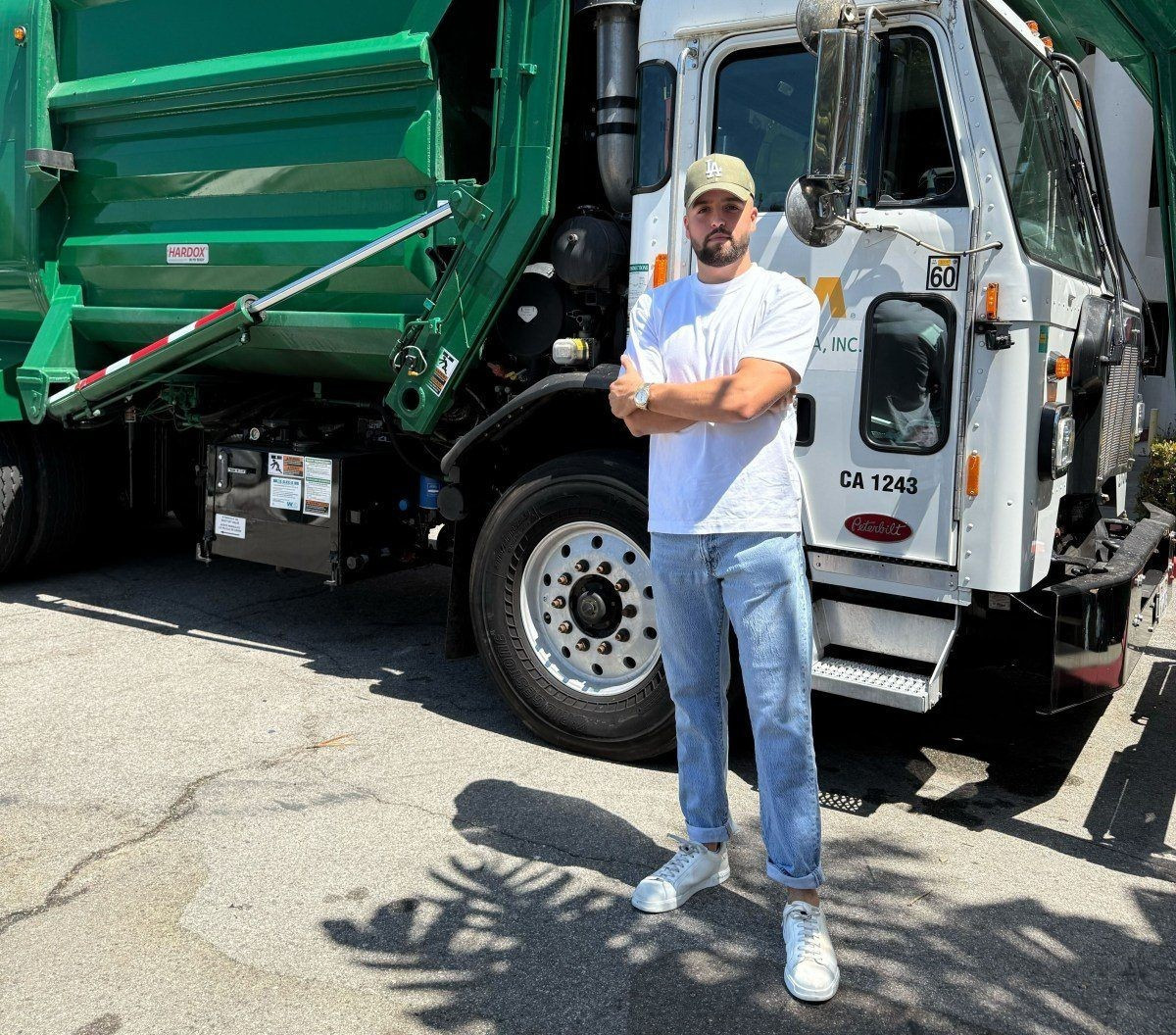
The company’s founder, David Berg, has both deep domain and street-level experience: he once drove garbage trucks and worked across the hauling sector. He witnessed firsthand how fragmented outreach and lack of digitization made customer acquisition inefficient. Consequently, he structured CommanderAI from the ground up to speak “waste hauler” — from data models to messaging tone. That helps the output feel native to the audience rather than forced or stilted.
A central challenge in the industry is that many target customers don’t maintain robust web presences or high visibility. Construction jobs, small local businesses, and off-grid accounts often live under the radar. CommanderAI’s value proposition lies in aggregating public data sources, applying AI to segment it, and transforming it into high-quality leads that traditional CRMs alone struggle to surface. The platform also automates follow-ups, drafts outreach emails, and keeps the conversation alive with prompts like “be more aggressive” or “more personable” — adjusting tone dynamically.
Users report freeing up about 10 hours a week previously spent on research and prospecting. More strikingly, some claim operating costs for lead generation drop by as much as 75 percent. For an industry with long cycles and tight margins, those gains are meaningful. The system is built to scale: even small operators with a single truck can adopt it, while regional firms can use it as a backbone of their sales operations.
To support expansion, CommanderAI recently secured $5 million in seed funding. That capital will go toward building out product enhancements, such as mapping, routing, and marketing tools, as well as hiring more sales talent. While large CRMs like Salesforce or HubSpot can be adapted to industrial verticals, Berg argues they remain too generic and complex for the niche use cases of waste firms. CommanderAI’s differentiation lies in domain specificity, simpler user journeys, and built-in industry heuristics.
Looking ahead, the firm plans to broaden into adjacent sectors beyond waste, perhaps into industrial services or resource recovery. Its ambition is bold: to have 30 percent of the U.S. waste management industry using CommanderAI’s tooling. If it succeeds, it may not only bring productivity gains to hauling companies but also help accelerate the digital transformation of one of the more analog segments of infrastructure.