

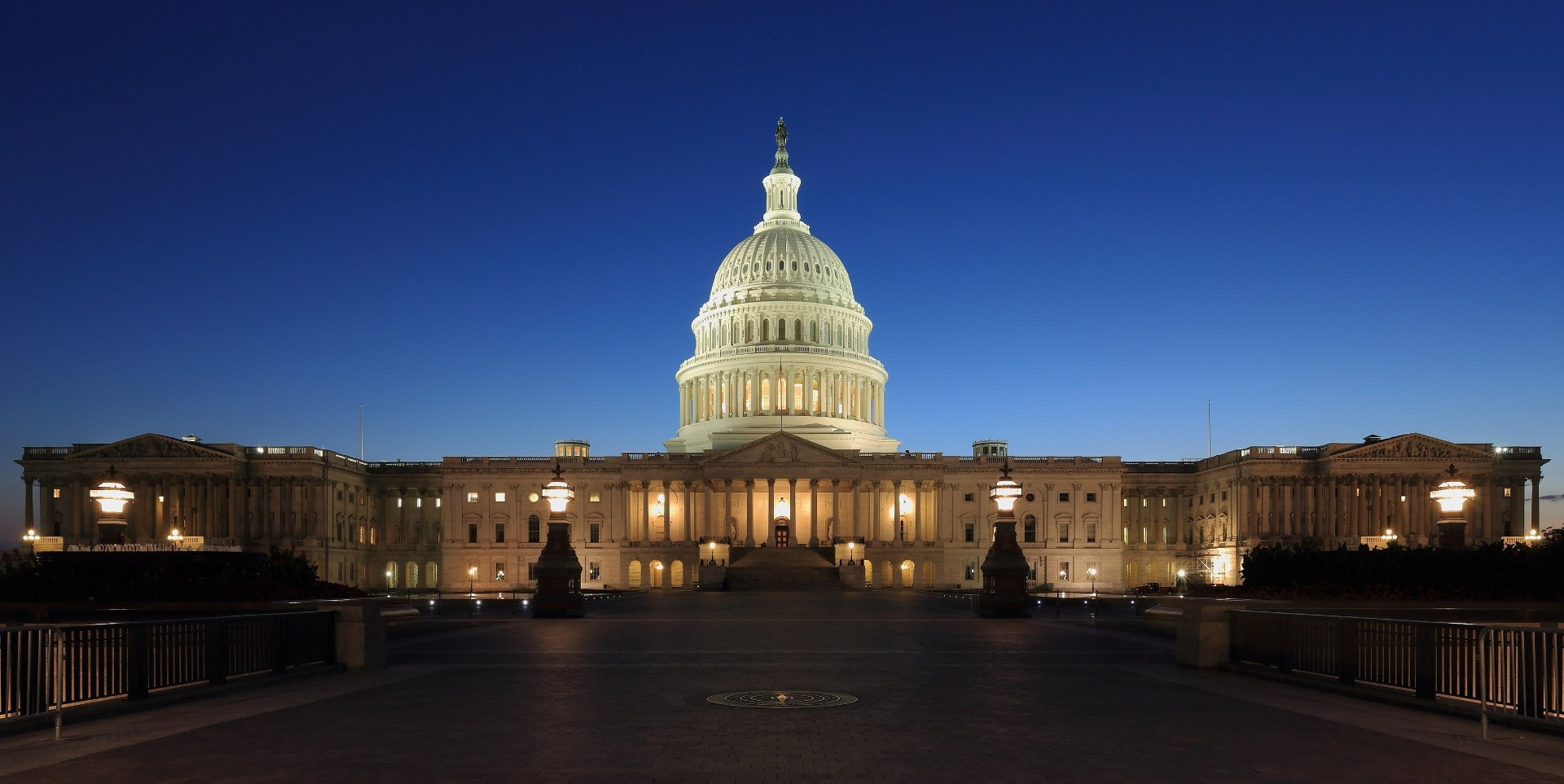
Startups are increasingly entwined with the U.S. government as customers, regulators, funders, and stakeholders—and that tight coupling is now exposing them to fresh risks amid interruptions. Many next-generation firms in AI, space, robotics, and climate tech rely heavily on government contracts, regulatory approvals, or even equity stakes from federal agencies. When the government halts operations, those companies face contract suspensions, regulatory inertia, and capital bottlenecks that can stifle growth at a critical juncture. At the same time, broader shutdown impacts—such as disruption of financial regulators, delays in market approvals, and economic drag—further amplify uncertainty for startups. This marks a turning point: in earlier eras, startups were more insulated from Washington’s dysfunction. The failure of Congress to agree on funding threatens not just federal agencies, but the innovation ecosystem they once bolstered.
Sources: GovExec.com, TechCrunch
Key Takeaways
– The interdependence between startups and government (via contracts, regulations, and funding) means that when Washington goes dark, innovation ventures are directly in the crossfire.
– A shutdown not only stalls new regulatory and permit approvals, it also constrains financial market support, making it harder for startups to raise capital or launch IPOs.
– The economic ripple effects of a shutdown—slower growth, decreased investor confidence, and regulatory delays—compound stresses already facing early-stage firms.
In-Depth
Startups have always needed to navigate regulatory, market, and funding risks—and over the past decade, one of the riskiest dependencies has become their relationship to government itself. Once, a tech firm might have been able to succeed largely in the private sector. But now, deep tech, climate, biotech, defense, and aerospace startups often rely on governmental support, contract pipelines, or favorable policy frameworks. That means when the federal machinery temporarily grinds to a halt, it’s more than just bureaucracy that freezes—it’s a core growth engine for many young firms.
Many startups now count the U.S. government as a customer or quasi-partner. Delays in grant awards, regulatory approvals, or permit issuances can hamstring product launches or market entry. Further, in several recent deals, the government has taken equity stakes in industrial or tech firms—adding yet another layer of dependency. When interruptions strike, contracts stall, compliance deadlines slip, and strategic momentum gets lost.
At the same time, interruptions have broader systemic consequences. Financial regulators like the SEC may furlough staff, reducing capacity to process IPO filings, approve ETFs, or review financial disclosures. That slows down capital flows to startups that had planned fundraising rounds tied to market windows. Meanwhile, economists warn that each additional week of interruptions might cost billions in GDP losses, which suppresses consumer demand, investor appetite, and venture funding more broadly.
Contractors and small businesses are hit hard in the interim: no new modifications to contracts, reimbursements delayed, and cash flow squeezed. Startups tied to government supply chains may see payments delayed. This unplanned volatility is especially dangerous for firms operating near the edge of runway. For sectors relying on federal oversight, the operational freeze can push timelines by months.
One silver lining is that historically, Congress has provided retroactive pay to furloughed federal employees. But that doesn’t resolve the interim disruption to the broader startup ecosystem. For founders, this era demands more contingency planning, diversified market strategies, and perhaps a reevaluation of how tightly their fate is tied to government. In short: innovation is increasingly vulnerable to political dysfunction, and when Washington fails to act, the fallout spreads far beyond Capitol Hill.