

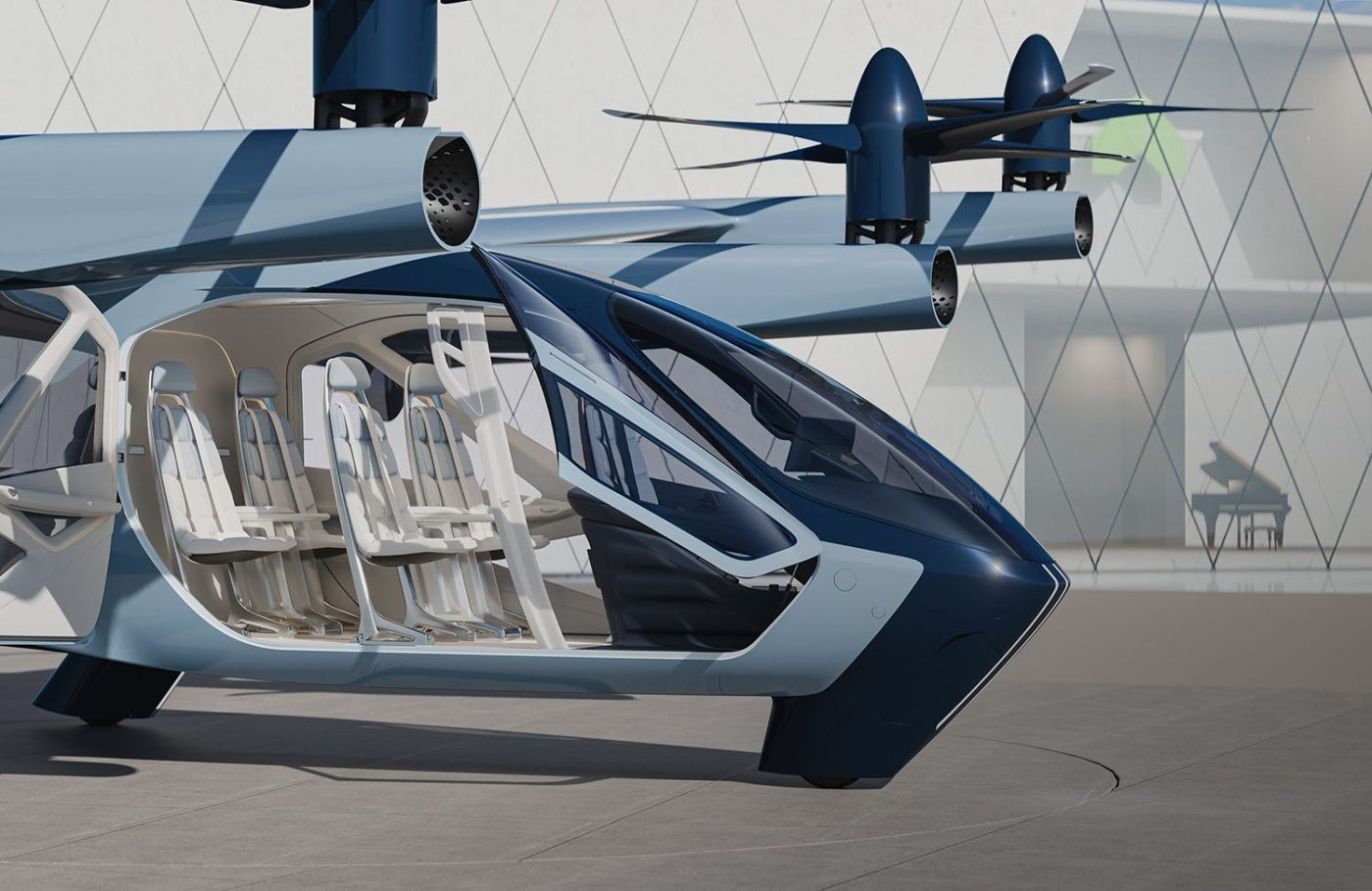
Supernal, Hyundai Motor Group’s electric vertical take-off and landing (eVTOL) startup, has paused its aircraft development program after its CEO, Dr. Jaiwon Shin, and CTO, David McBride, unexpectedly departed, prompting interim leadership and cost-cutting measures; though the company had aimed for a 2028 commercial launch of its five-seat air taxi, the recent organizational upheaval—including layoffs and the relocation of its D.C. headquarters to California—has cast fresh uncertainty over its timeline and strategy while future leadership evaluates next steps. Sources: TechCrunch (full article), Reuters, and FLYING.
Sources: Reuters, Flying Magazine, TechCrunch
Key Takeaways
– Leadership disruptions stalled momentum – The sudden exit of Supernal’s CEO and CTO triggered a halt in aircraft development and forced a temporary pause in progress toward their 2028 commercial launch goal.
– Consolidation and evaluations underway – With workforce reductions, D.C. office closure, and interim leadership in place, Hyundai is reassessing strategy, timelines, and resource allocation in its Advanced Air Mobility venture.
– eVTOL sector facing real-world pressures – Supernal’s situation underscores broader industry challenges—regulatory complexity, certification hurdles, capital demands, and investor expectations—that can slow even well-backed players in urban air mobility.
In-Depth
Supernal’s sudden halt isn’t exactly ideal timing. The company had been one of the more promising entries in the emerging eVTOL landscape—backed by Hyundai, aiming for a 2028 launch, and running toward that goal with demonstrator flights and concept reveals. Now, with both CEO Jaiwon Shin and CTO David McBride exiting nearly simultaneously, it’s clear the startup is pressing pause to reassess its course.
The move comes after some cost-cutting earlier this year—lays off around 5% of staff, shut its Washington, D.C. hub, and shifted major operations to California. These aren’t small changes; they reflect internal recognition that the original plan may have hit a snag. Interim COO David Rottblatt has stepped in, while Hyundai looks for permanent leadership. During this transition, the company’s aircraft development is temporarily on hold, awaiting new direction.
That’s not altogether surprising when you consider how hard the industry is finding it to bring eVTOLs from concept into the real world. Certification, infrastructure, regulations—cities aren’t exactly rolling out vertiports, and the FAA isn’t giving easy approvals. Even firms with strong funding are feeling it. One industry analyst described Supernal’s pause not as a shutdown, but a “re-invent,” meaning especially aimed at redefining market focus, aircraft design, and timeline.
For Hyundai, this is a test of long-term patience and big-picture faith. Supernal may still fly commercially someday—but it’ll need new leadership, a clearer roadmap, and maybe more runway to get there. It’s a reminder that innovation isn’t just about bold ideas—it’s also about steady execution, especially in uncharted airspace.