

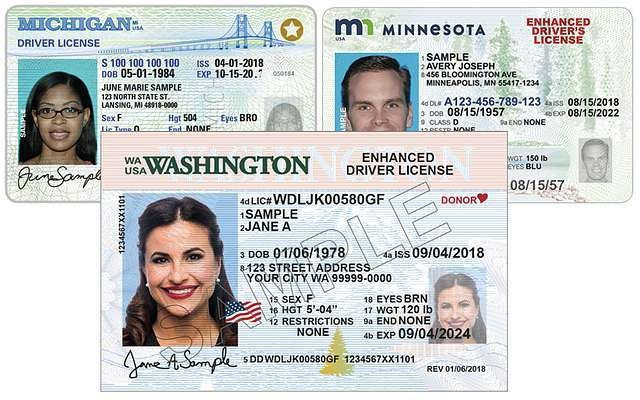
In a cautionary tale of privacy overstated and protections undersold, TeaOnHer—a men’s counterpart to the “Tea” dating-advice app—has exposed thousands of users’ sensitive identification documents, including scans of driver’s licenses, selfies, email addresses, self-reported ages, locations, and even private messages via public API endpoints and poorly secured Amazon-hosted storage. Multiple security observers, such as TechCrunch, Business Insider, Malwarebytes, and Cybernews, underscore how fundamental data-security protocols were overlooked, even after a similar breach afflicted the female-focused Tea app weeks earlier. The pattern reflects a broader accountability vacuum in rapidly developed “safety” platforms: promising anonymity and protection while delivering systemic vulnerabilities and inviting legal and regulatory repercussions.
Sources: TechCrunch, Business Insider, Malwarebytes, Cybernews
Key Takeaways
– Major Security Oversight: TeaOnHer’s backend exposed personal data—including driver’s licenses and selfies—by publicly hosting them on an Amazon S3 bucket accessible via predictable links, without authentication.
– Repeat of Prior Mistake: This breach closely mirrors the earlier Tea app leak of tens of thousands of user images and chats, yet developers failed to apply proper safeguards before launching their male-targeted version.
– Privacy Promises vs. Outcomes: Despite branding as “safety” or “anonymous self-help” tools, both apps fall short—highlighting how rushed development, stealthy marketing, and regulatory lag leave users exposed and unprotected.
In-Depth
In today’s digital marketplace, flashy new apps can surge to popularity overnight, but as the TeaOnHer incident shows, speed and style often come at the expense of substance—particularly when it comes to protecting user privacy. The male-oriented counterpart to the women’s “Tea” app, TeaOnHer promised an anonymous space where men could discuss dating and social interactions without fear of exposure. Instead, it left thousands of users more exposed than ever.
According to multiple reports, within ten minutes of examining TeaOnHer’s backend, researchers uncovered a trove of sensitive data: driver’s license scans, verification selfies, email addresses, and private posts. All of it sat unprotected on an Amazon S3 server, accessible to anyone with basic technical know-how. This wasn’t the first offense. Earlier this year, Tea’s platform suffered a similar breach, leaking more than 70,000 documents. For TeaOnHer, the repeat failure suggests a pattern of negligence rather than a one-time mistake.
Many have long warned about the dangers of unchecked tech growth. Companies rush products to market, trading user trust for short-term gains. App store rankings may climb, but without accountability, consumers are the ones left vulnerable. Worse, the platform was marketed as a “safe” and “anonymous” outlet—ironically turning those promises into liabilities.
Ultimately, TeaOnHer highlights a broader issue: personal data security cannot be left to trendy startups or careless developers. If businesses want to earn the trust of the public, they must put basic safeguards in place—or risk losing everything, including their credibility.