

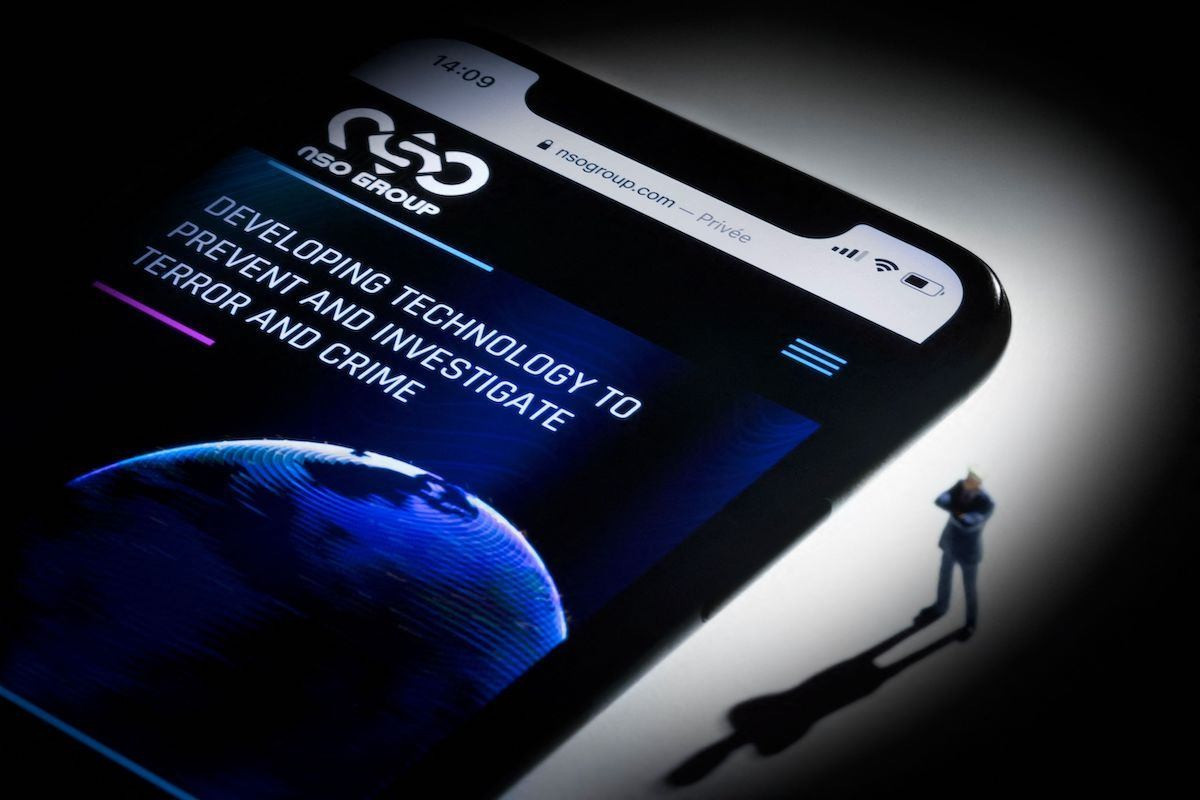
Israeli spyware firm NSO Group has confirmed that a consortium of American investors has acquired a controlling interest in the company, in a deal reportedly worth “tens of millions” of dollars, and is expected to mark a major shift in its ownership and market trajectory. According to the company, its headquarters and core operations will remain in Israel under the supervision of Israeli regulators, even as key figures such as co-founder Omri Lavie are expected to depart. The acquisition is being led by Hollywood producer Robert Simonds, per reports, and follows years of controversy around NSO’s Pegasus spyware, which has been tied to hacking campaigns against journalists, dissidents, and even U.S. government officials.
Sources: Washington Post, TechCrunch
Key Takeaways
– The acquisition shifts NSO’s ownership to U.S. investors but maintains that its operations will stay under Israeli regulatory control.
– This move could open pathways for NSO to more aggressively pursue U.S. market opportunities despite being placed on the U.S. Entity List in 2021.
– Longstanding concerns over human rights abuses, surveillance overreach, and misuse of Pegasus persist even under new ownership.
In-Depth
The confirmation that NSO Group has been purchased by a U.S. investor consortium led by Robert Simonds signals a turning point for a company once regarded as a pariah in global cybersecurity circles. Under the terms disclosed, American investors have secured controlling ownership via a multi-million dollar deal, though the company insists that nothing fundamental will change about its base of operations or regulatory oversight: NSO will remain an Israeli-anchored enterprise subject to the authority of the Israeli Ministry of Defense and other domestic checks. Technically, this ensures that while capital may change hands, the legal and operational framework securing state oversight remains intact.
Yet the optics and implications are striking. NSO has long been under heavy scrutiny for Pegasus, a highly invasive spyware system capable of “zero-click” infiltration of mobile devices. Researchers from Citizen Lab, Amnesty International, and other watchdogs have documented its deployment by state clients to target journalists, human rights defenders, and political dissidents across a range of nations. The firm was blacklisted by the U.S. Commerce Department in 2021 and barred from accessing American tech and markets, largely on grounds that its tools had been used contrary to U.S. national security and civil liberties interests.
With U.S. ownership, NSO could more effectively press for pathways back into American law enforcement and surveillance markets. Critics warn this change may help the company circumvent some previous legal barriers. Indeed, many observers caution that new ownership won’t erase the fundamental risks tied to its technology: misuse, domestic overreach, and the erosion of democratic oversight. The departure of certain founders as part of the transaction further underscores the symbolic reset—but not necessarily a break from legacy behavior. If anything, this deal may sharpen the tension between private capital ambitions and the public interest constraints tied to powerful surveillance tools.