

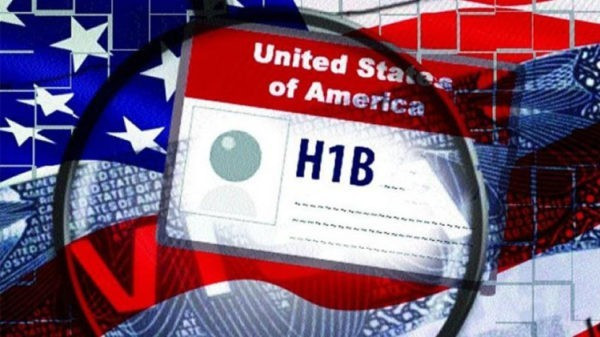
In response to President Trump’s recent executive proclamation imposing a $100,000 fee on new U.S. H-1B visa petitions, Britain’s Startup Coalition has urged its government to aggressively position the UK as the destination of choice for global tech talent. The policy, announced September 2025, demands that U.S. employers submitting new H-1B applications pay the hefty fee (applicable to those outside the U.S.) and limits visa processing unless the payment is included. Meanwhile, Kyrie Starmer’s UK government is exploring visa reforms—such as potentially waiving or reducing fees for Global Talent visas—and scaling up its Global Talent Fund to make the UK more attractive. The change is already drawing strong reactions: India’s Nasscom warns the fee could severely disrupt Indian IT operations deployed in the U.S., and tech firms are scrambling to adapt to the sudden cost increase and regulatory ambiguity.
Key Takeaways
– The U.S. $100,000 fee on new H-1B visa petitions is prompting international tech and talent flows, with the UK actively seeking to attract displaced workers via reforms, fee reductions, and faster visa routes.
– Indian tech firms and talent are among the most exposed, with concerns about operational disruptions, strained U.S.-India relations, and the broader economic effects of increased barriers to mobility.
– The policy shift introduces uncertainty—not just for new visa applicants, but for companies that depend on international talent—with many seeking clarification on how exemptions, renewals, and travel restrictions will be handled.
In-Depth
The Trump administration’s abrupt decision to require a $100,000 payment for new H-1B visa applications filed by overseas employers has sent shockwaves through the global tech sector. Under the new proclamation, effective September 21, 2025, U.S. petitioners offering H-1B status to workers outside the country must include this one-time fee with their petition, with limited exemptions for individuals or industries deemed in the national interest. Existing H-1B holders, and those renewing or changing employers, appear exempt from the fee, though legal experts warn many details remain unresolved—particularly around reentry after travel or change of employment.
Recognizing both the challenges and opportunities this presents, the UK’s Startup Coalition has published an open letter urging bold action: expand the Global Talent Fund, fast-track visa processing for those leaving the U.S., revise equity-based incentive rules (like the EMI scheme), and leverage the UK’s relatively cheaper and more reliable immigration regime. Internally, Number 10 is considering options including partial or full fee waivers for Global Talent visas—especially for individuals with strong academic credentials or industry achievements.
India’s IT sector is among the first to feel the turbulence. Nasscom warns that many companies deploying professionals under H-1B status may face project disruptions, cost overruns, or staff relocations. In parallel, economists are raising alarms about broader economic consequences: a loss of competitiveness, slower innovation, possible downward pressure on U.S. productivity, and strained diplomatic ties—especially with countries like India which supply a large share of high-skilled visa holders.
As firms navigate these changes, many are advising staff with H-1B status to limit foreign travel or avoid submitting new petitions until there is more clarity on enforcement and exemption rules. Meanwhile, the UK is moving to seize this moment: its strategy of lowering barriers, guaranteeing faster and more stable immigration paths, and offering competitive perks could tilt some of the global talent flow away from the U.S. toward Britain and potentially elsewhere. Whether the UK can deliver speed, certainty, and scale—for both individuals and businesses—may determine if this turning point becomes a structural shift in the global tech talent landscape.