

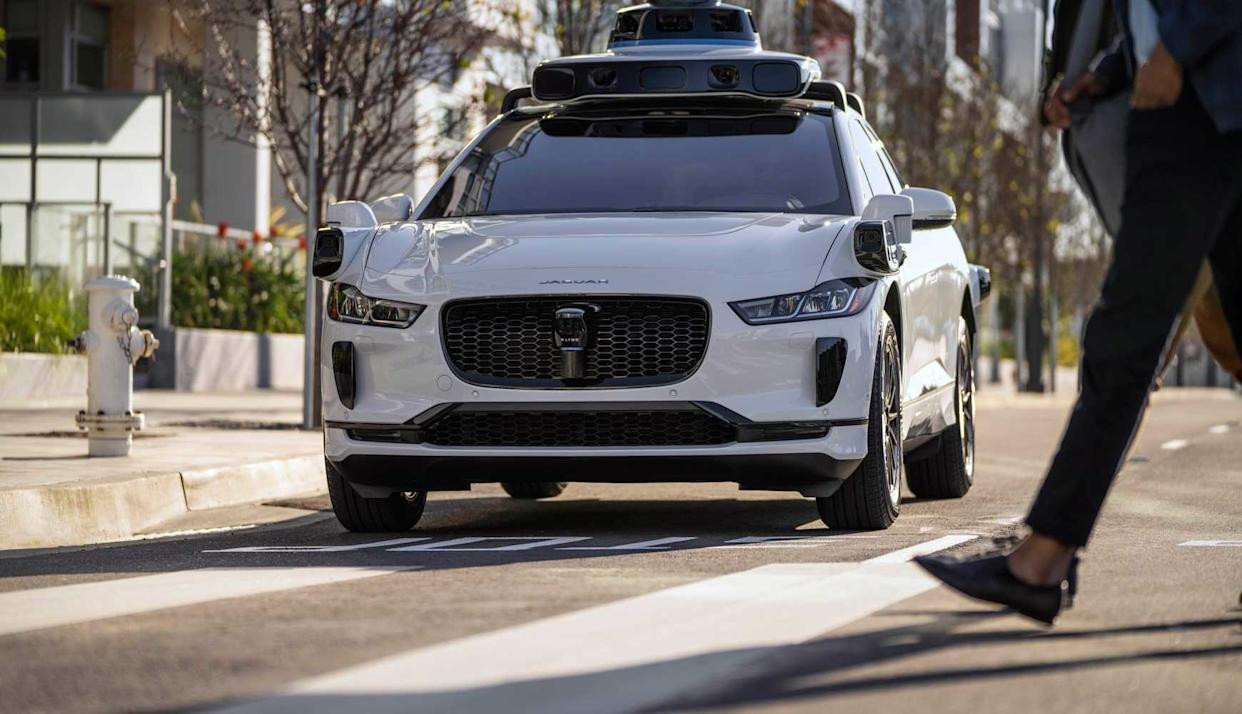
Waymo has become the first company to receive a permit to test autonomous vehicles in New York City, allowing up to eight self-driving cars—each with a trained safety specialist behind the wheel—to operate in parts of Manhattan and Downtown Brooklyn through late September 2025, under strict safety regulations and regular oversight by the city’s Department of Transportation, while for-hire autonomous services remain prohibited under Taxi and Limousine Commission rules.
Sources: AP News, Reuters, TechCrunch
Key Takeaways
– Safety-first pilot program: All vehicles must have a trained AV specialist onboard, comply with the city’s rigorous safety protocols, and report data regularly to the NYCDOT.
– Limited scope, major milestone: Testing is capped at eight vehicles through September, with potential extension—but full robotaxi commercial service still needs rule changes from the NYC Taxi and Limousine Commission.
– Strategic expansion step: The move builds on Waymo’s existing services in Phoenix, San Francisco, Los Angeles, Austin, and Atlanta, positioning NYC as a key testbed in its broader national rollout.
n-Depth
Waymo’s groundbreaking approval to test autonomous vehicles in New York City marks a pivotal moment—not just for the company but for urban mobility. While the pilot involves just eight vehicles in Manhattan and Downtown Brooklyn, each with a trained safety operator behind the wheel, the carefully controlled program reflects a conservative approach to innovation: test cautiously, gather data, and ensure public safety above all else.
Mayor Eric Adams and DOT Commissioner Ydanis Rodriguez emphasized that the city’s streets are already some of the busiest and most complex in the world. By insisting on strict oversight—live operators present, regular data reporting, tight cybersecurity measures—New York is letting innovation proceed, but on a leash that prioritizes safety and order.
Waymo, for its part, continues to prove its credentials. With over 10 million rides logged across multiple cities and a growing footprint from Phoenix to Austin, it’s clear the company is ready for prime-time trials in tough environments. Critics may argue that NYC streets are too chaotic, but piloting in such a demanding setting could accelerate the technology’s maturity and public acceptance.
That said, regulators and city officials remain cautious. The pilot is small, temporary, and limited in scope. Waymo still can’t pick up paying passengers—that requires rule changes by the Taxi and Limousine Commission. But this measured opening creates space for dialogue, evaluation, and trust-building.
In short, New York’s approach is smart and conservative: innovation is welcome, but only under clear guardrails. It’s a responsible way to introduce potentially transformative technology to one of the nation’s most intricate transportation landscapes.