

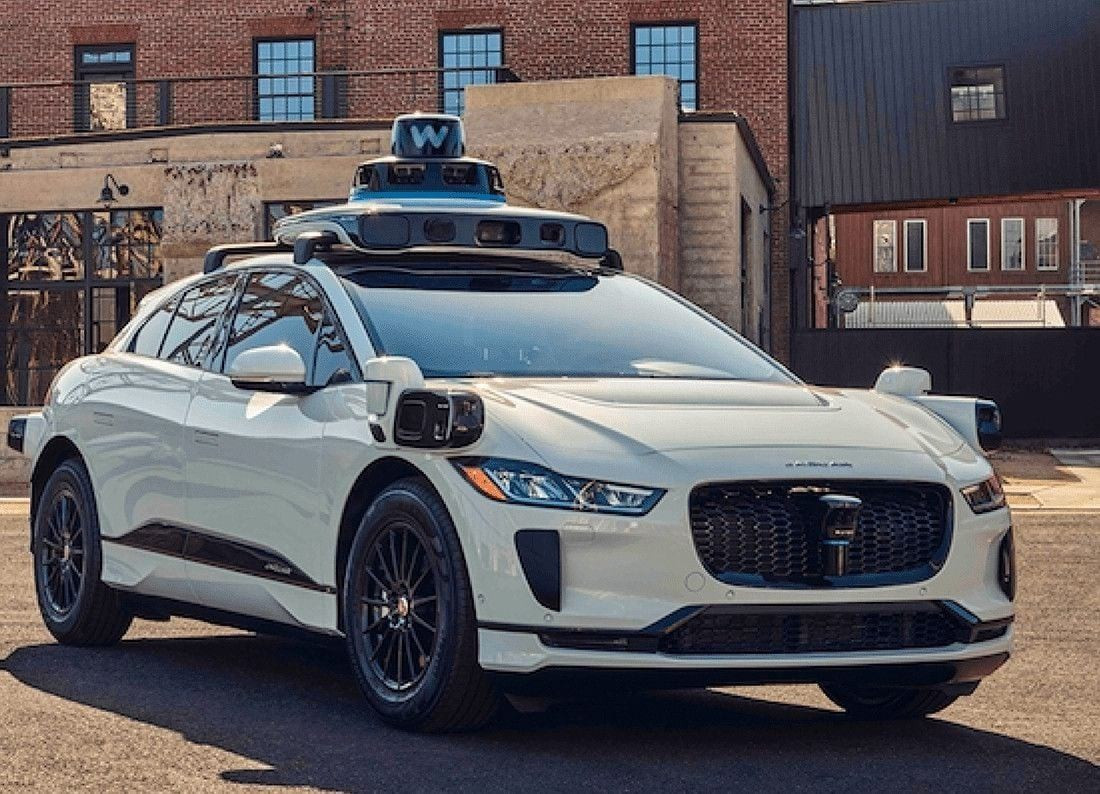
Waymo, Alphabet’s autonomous-vehicle arm, just launched a new corporate service called Waymo for Business that lets organizations set up accounts so employees and guests can book self-driving rides under a unified system. The offering includes an administrative dashboard for managing users, tracking ride data and budgets, and issuing promo codes for events. The rides cost the same as Waymo’s consumer fares, though companies can choose to subsidize them. The service is live (or being piloted) in cities like Los Angeles, Phoenix, San Francisco, Austin, and Atlanta, and early partners (including Carvana) have already signed on. Though Waymo for Business is in its early phase, this move marks a clear push to embed autonomous mobility into corporate and institutional travel programs.
Key Takeaways
– This is Waymo’s first formal foray into corporate accounts, positioning self-driving taxis as an option for enterprise travel programs.
– The corporate service mirrors functions long found in ride-hailing business platforms (e.g. expense integrations, promo codes, centralized billing) but leverages Waymo’s fully driverless tech.
– While rides will cost the same as consumer fares, the success of Waymo for Business will likely depend on employer adoption, regulatory support, and scaling across more cities.
In-Depth
Waymo’s announcement of “Waymo for Business” reflects a shift in how autonomous mobility might be commercialized. Until now, robotaxi services aimed primarily at individuals or public consumers. With this new service, Waymo is signaling that corporations, universities, event organizers, and institutions are now potential anchor customers. The idea is simple but ambitious: let companies unify and manage self-driving ride services for their employees or guests through a central platform, complete with analytics, budget controls, promo code issuance, and usage reporting.
In practice, that means an employer could grant a staffer access to Waymo via the company’s account, rather than reimburse them for a ride or require them to expense it. The firm’s admin console would display aggregated data and let HR or operations track travel budgets, flag outlier usage, or issue special ride codes for conferences and client visits. For event planners, it offers a plug-and-play mobility solution instead of coordinating shuttles or taxis.
It’s worth noting: Waymo isn’t discounting fares, at least not initially. The rides cost the same as its consumer service, but employers may choose to cover part or all of the fare. Early adopters include Carvana and various universities, which have piloted or expressed interest in embedding Waymo into their travel and student logistics workflows. The service’s rollout covers major Waymo markets such as Los Angeles, Phoenix, San Francisco, Austin, and Atlanta, aligning with cities where the infrastructure and regulatory permits are already in place.
Yet, challenges loom. Adoption depends heavily on convincing finance and operations officers that robotaxi service is reliable, cost-effective, and compliant with corporate travel policies. The regulatory landscape still varies city by city, especially around airport access and autonomous vehicle permits. Waymo must also scale its fleet capacity to meet fluctuating corporate demand without degrading service for regular riders.
Strategically, this move helps Waymo compete not just with other autonomous startups, but with traditional ride-hailing giants that already offer business travel products (e.g., Uber for Business, Lyft’s enterprise offerings). By tying corporate customers to its autonomous system, Waymo advances beyond being simply a new mode of transportation—into a provider of mobility solutions embedded in corporate ecosystems.
If successful, Waymo for Business could shift how organizations think about ground transportation: less about reimbursement and more about direct provisioning. It might also accelerate broader adoption of autonomous fleets in cities where business demand can provide consistent baseline utilization. On the flip side, it raises new questions about liability, privacy, and regulatory oversight in corporate settings using driverless vehicles. For now, we’re at the beginning of what could become a transformative chapter in mobility-as-a-service.