

Close Menu

    Subscribe to Updates

    Get the latest creative news from FooBar about art, design and business.

    What's Hot

    OpenAI Debuts ChatGPT Health With Medical Records, Wellness App Integration

    January 13, 2026

    Tech Firms Tackle Backlash by Redesigning Data Centers to Win Over Communities

    January 13, 2026

    Utah Launches First-Ever AI Prescription Pilot in the U.S., Sparking Debate on Safety and Innovation

    January 13, 2026
    Facebook X (Twitter) Instagram
    • Tech
    • AI News
    Facebook X (Twitter) Instagram Pinterest VKontakte
    TallwireTallwire
    • Tech

      Tech Firms Tackle Backlash by Redesigning Data Centers to Win Over Communities

      January 13, 2026

      OpenAI Debuts ChatGPT Health With Medical Records, Wellness App Integration

      January 13, 2026

      Malicious Chrome Extensions Compromise 900,000 Users’ AI Chats and Browsing Data

      January 12, 2026

      Wearable Health Tech Could Create Over 1 Million Tons of E-Waste by 2050

      January 12, 2026

      Viral Reddit Food Delivery Fraud Claim Debunked as AI Hoax

      January 12, 2026
    • AI News
    TallwireTallwire
    Home»Tech»Workers Demand ‘Digital Silence’ as ‘Always-On’ Culture Erodes Productivity
    Tech

    Workers Demand ‘Digital Silence’ as ‘Always-On’ Culture Erodes Productivity

    Updated:December 25, 20253 Mins Read
    Facebook Twitter Pinterest LinkedIn Tumblr Email
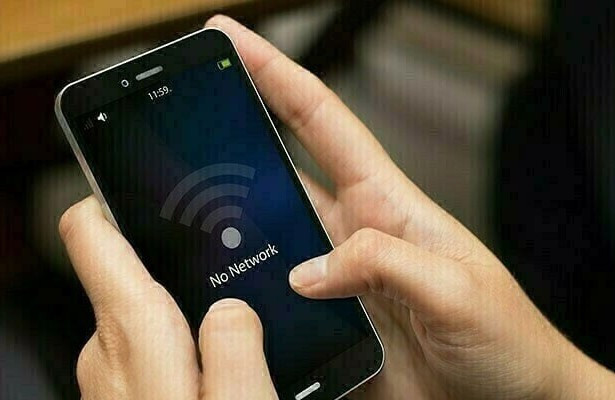
    Workers Demand 'Digital Silence' as 'Always-On' Culture Erodes Productivity
    Workers Demand 'Digital Silence' as 'Always-On' Culture Erodes Productivity
    Share
    Facebook Twitter LinkedIn Pinterest Email

    Workers are increasingly pushing back against the relentless “always-on” work culture, as survey data from Twilio shows nearly half (47%) of UK employees now prioritize formal blocks of “digital silence” free from emails, messages, or calls to reclaim focus. Four in ten cited constant notifications as a hindrance to getting tasks done, especially among those aged 51–55—while younger workers (26–30) feel the most pressure to always appear available. A growing sense of “ping fatigue,” first flagged in prior Unily research, further underscores how frequent digital interruptions hamper performance and well-being. For many, scheduled quiet periods—particularly on Fridays and Mondays—aren’t just nice to have, but a workplace demand essential for productivity, mental health, and retention.

    Sources: The New Yorker, The Guardian, IT Pro

    Key Takeaways

    – Formal “digital silence” windows help workers maintain focus, with many now demanding periods during which digital distractions are muted.

    – Work-culture reform is overdue, as expectations to be perpetually available lead to burnout rather than better productivity.

    – Structural solutions outperform individual defiance, suggesting that policy or workplace norms—like France’s “right to disconnect”—might provide a better model than merely encouraging workers to unplug on their own.

    In-Depth

    In a time when work and life blur into a nonstop digital stream, workers are quietly rebelling—by demanding something radical: silence. According to Twilio’s recent survey of over 1,200 UK workers, nearly half now carve out deliberate, distraction-free periods during the day—dubbed “digital silence”—to reclaim focus from relentless pings, emails, and chat notifications. They’re paying for it with breaks—especially on Fridays or staying off notifications on Mondays—recognizing that uninterrupted time is critical for deep, thoughtful work.

    This isn’t just individual rebellion, either—it re-frames productivity. The older generation (ages 51–55) report even higher levels of workflow disruption, while younger workers (26–30) feel an acute pressure to appear always engaged. That pressure feeds ping fatigue and erodes personal well-being. Meanwhile, earlier critiques—like those articulated in The Guardian—have argued for a legal right to disconnect, citing successful European examples where work-life boundaries are stronger for it. The New Yorker adds broader context, observing that hyper-productivity culture has shifted burdens onto individuals rather than systems, making “not-doing” as radical—and necessary—as working.

    Is it radical to ask for pause in a tech-driven workplace? Not really—it’s just common sense. Digital tools exist to support our work, not rule it. If we want real productivity, we have to make room for quiet. We need less “always on,” and more meaningful focus.

    Share. Facebook Twitter Pinterest LinkedIn Tumblr Email
    Previous ArticleWorkday Drops $1.1B for Sana Labs to Supercharge Agentic AI Work Experiences
    Next Article Wyze Unveils Palm-Vein Smart Lock: Contactless Entry at a Budget

    Related Posts

    Tech Firms Tackle Backlash by Redesigning Data Centers to Win Over Communities

    January 13, 2026

    OpenAI Debuts ChatGPT Health With Medical Records, Wellness App Integration

    January 13, 2026

    Malicious Chrome Extensions Compromise 900,000 Users’ AI Chats and Browsing Data

    January 12, 2026

    Wearable Health Tech Could Create Over 1 Million Tons of E-Waste by 2050

    January 12, 2026
    Add A Comment
    Leave A Reply Cancel Reply

    Editors Picks

    Tech Firms Tackle Backlash by Redesigning Data Centers to Win Over Communities

    January 13, 2026

    OpenAI Debuts ChatGPT Health With Medical Records, Wellness App Integration

    January 13, 2026

    Malicious Chrome Extensions Compromise 900,000 Users’ AI Chats and Browsing Data

    January 12, 2026

    Wearable Health Tech Could Create Over 1 Million Tons of E-Waste by 2050

    January 12, 2026
    Top Reviews
    Tallwire
    Facebook X (Twitter) Instagram Pinterest YouTube
    • Tech
    • AI News
    © 2026 Tallwire. Optimized by ARMOUR Digital Marketing Agency.

    Type above and press Enter to search. Press Esc to cancel.