

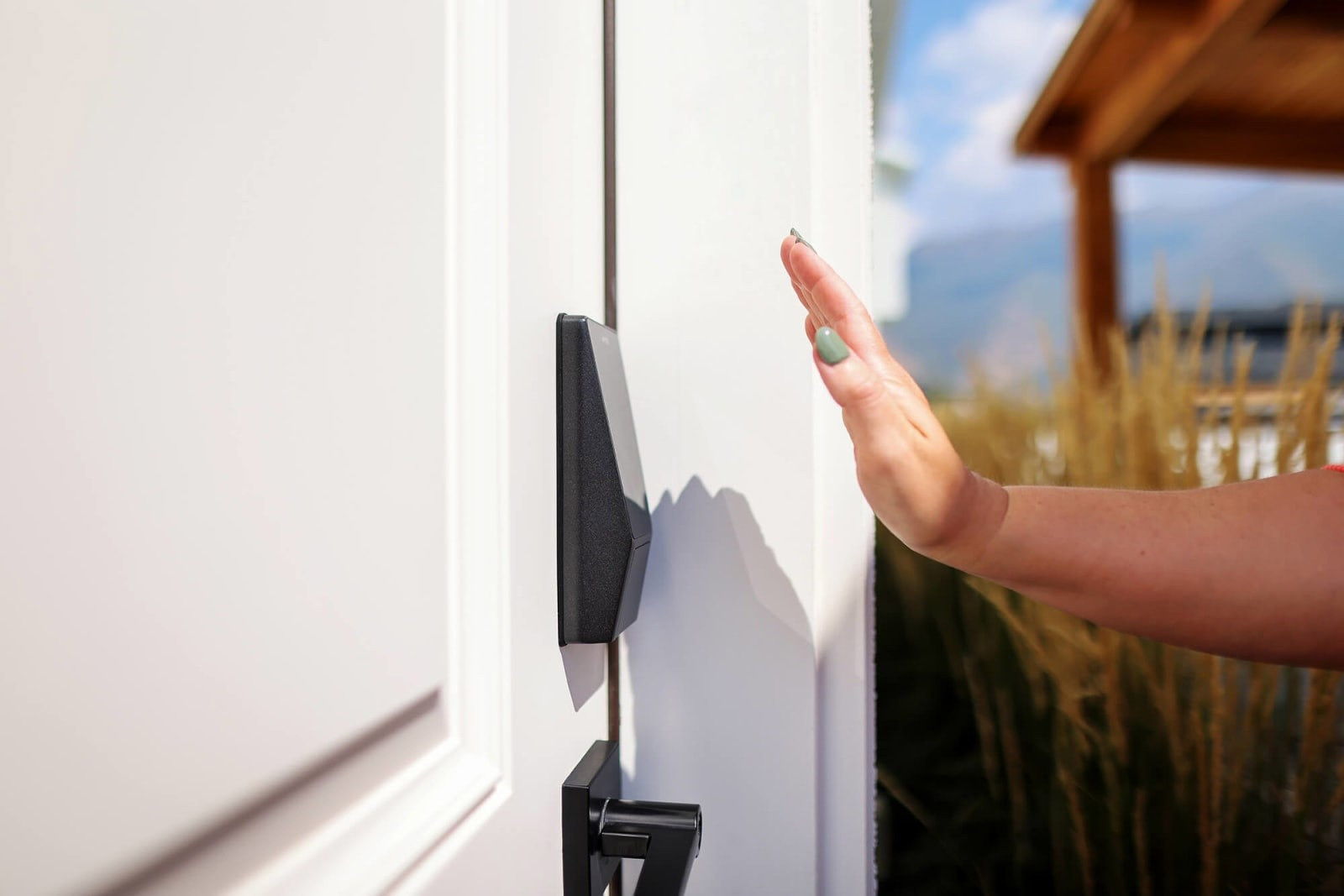
Wyze has just introduced the Wyze Palm Lock, a new biometric smart lock that uses palm-vein recognition for contactless door access and supports up to 50 user IDs. The device also includes a keypad that can store 50 distinct access codes (including temporary or guest codes), a standard key backup, and Wi-Fi connectivity for remote control and monitoring. To reduce power usage, it employs a presence detection radar that wakes up the lock when someone approaches, and it offers a dual-battery system: a main battery lasting up to six months under normal use, plus a backup battery good for about two weeks. Security features include storing biometric data locally (not in the cloud), auto-locking via a door angle/gyroscope sensor, alarm triggers for excessive failed attempts, anti-peep code entry (extra digits around the correct one), and IP53 weather resistance.
Sources: Tom’s Guide, PC World, The Verge
Key Takeaways
– Multiple Access Modes & Security Layers: The Wyze Palm Lock isn’t just biometric; it combines palm-vein scanning, PIN codes, mechanical key access, remote app & voice assistant control, and optional features like anti-peep code entry and alarms for tampering or door ajar.
– Power & Reliability Design: To avoid downtime, the lock uses a dual battery system plus a presence-radar to conserve energy, offering up to six months’ life under typical use, with backup for when the main power is depleted.
– Privacy & Local Data Focus: Usage, biometric data, and user codes are stored locally on the device rather than uploaded to the cloud, which reduces some risk vectors—though how well this is implemented in practice will matter a lot.
In-Depth
Wyze has stepped into biometric access control with its newly unveiled Wyze Palm Lock, offering a modern twist on smart locks by letting users unlock doors with nothing more than a wave of the palm. Rather than relying on fingerprints or keycards, this lock reads the unique vein patterns under the user’s palm to authenticate access. That’s significant because palm vein scanning tends to be more secure and reliable than surface biometric methods like fingerprints: it’s less vulnerable to surface damage, wear, or contamination, and harder to spoof.
But Wyze didn’t stop at biometric only. The Palm Lock supports up to 50 unique user IDs with distinct palm vein enrollments. For moments when palms can’t be used—say, gloves on or injury—alternative entry remains available via a touchscreen keypad (with support for guest codes or one-time codes), voice assistants (Alexa or Google), the mobile app, or even a traditional mechanical key. To protect against prying eyes, there’s an anti-peep feature that allows extra digits entered before or after the real code, making it harder for someone observing to guess the code.
Power and energy management figure prominently in the product’s design. Wyze uses a dual battery setup: a main removable battery designed to last roughly six months under typical use (10-20 unlocks per day), plus a backup battery providing up to two additional weeks of power. If both batteries run low, there’s also a USB-C port for emergency power (e.g. via power bank). To stretch battery life even more, a presence-detecting radar keeps the lock in low-power mode until someone approaches.
On the security front, Wyze emphasizes that palm vein templates and related data are stored locally in the lock itself, not in cloud storage, which reduces exposure to certain remote hacking risks or data breaches. In addition, the lock auto-locks via a gyroscope that senses the door’s angle and motion so that if the door is closed, the bolt extends properly to secure it. There are also alarms for too many failed attempts or if the door is left ajar.
At $129 (approximate), the Wyze Palm Lock seeks to balance price with high-end features. Compared to other palm-scanning locks which often run much higher, this positions Wyze as a more affordable choice for people wanting biometric security and modern conveniences without massive cost. Users will, of course, want to evaluate how reliably features like palm recognition work under real-world conditions (weather, lighting, wear-and-tear), and how durable the hardware is over time. But in design, feature set, and security philosophy, the Palm Lock shows Wyze aiming to compete on both value and sophistication in the smart lock market.