

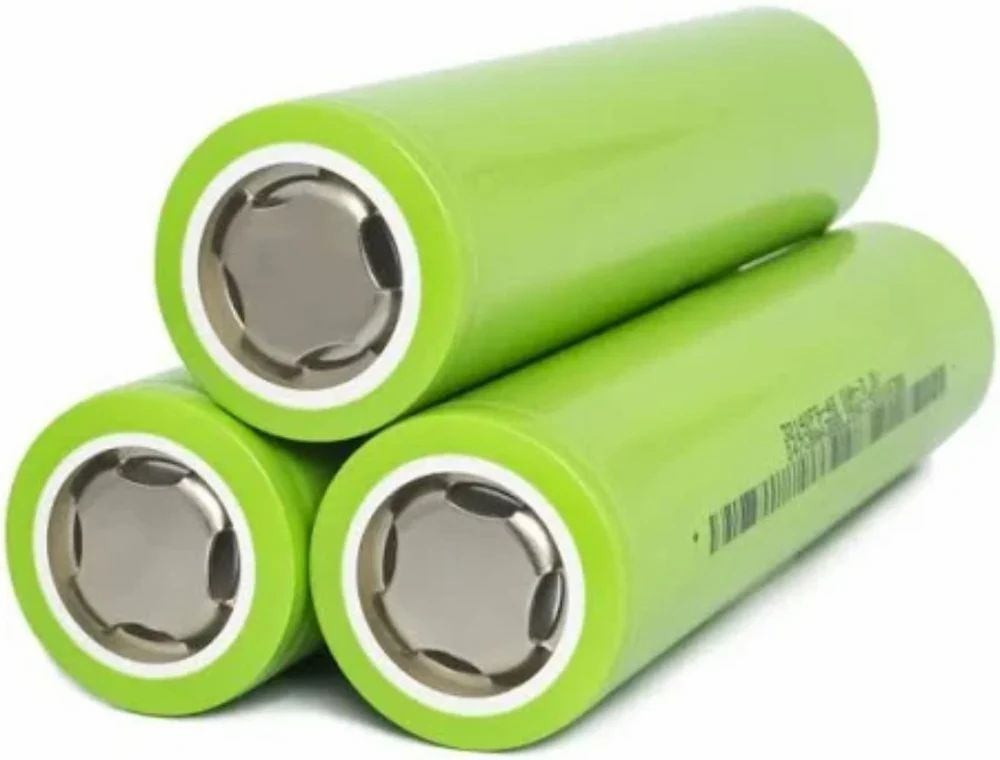
A recent study by Lumafield used high-resolution CT X-ray scans on over 1,000 lithium-ion 18650 battery cells to expose serious manufacturing flaws in low-cost or counterfeit brands. All 33 instances of a defect known as “negative anode overhang”—which greatly raises the risk of internal short circuits, fires, and accelerated aging—were found exclusively in batteries sourced from cheaper, less-reliable vendors, not in any name-brand OEM cells. In addition, the low-end units exhibited much poorer edge alignment and exaggerated, unrealistic capacity claims. This gap in quality control suggests that every tenth to twelfth cell from discount brands could carry a hidden risk. The findings underscore the urgency for better inspection tools—such as automated CT scanning on production lines—and caution consumers against going for deals that may compromise safety.
Sources: The Verge, Boston Globe
Key Takeaways
– Defects like negative anode overhang and internal misalignment are concentrated in low-cost or counterfeit batteries—none were found in name-brand OEM units.
– The defect rate among cheap cells approached nearly 8 percent, with some brands reaching 12–15 percent failure rates.
– Advanced CT scanning—especially faster, automated versions—can catch hidden flaws non-destructively and helps manufacturers enforce stricter quality control.
In-Depth
Lumafield’s latest battery quality report delivers a vivid reminder: cheap doesn’t always pay. By scanning over 1,000 lithium-ion 18650 cells across different brand categories using computed tomography (CT) X-rays, the company unearthed a critical flaw—“negative anode overhang”—that significantly increases the chances of internal short circuits, compromised durability, and even fire risk.
Remarkably, all 33 defective cells were from low-cost or counterfeit sources; none came from renowned OEMs like Samsung or Panasonic. The study places the defect rate in those discount cells at nearly 8 percent, with certain brands hitting defect rates as high as 12 to 15 percent. Beyond the overhang issue, the low-budget cells showed inferior internal alignment of their winding layers and wildly exaggerated capacity claims—some advertising 9,900 mAh where real tested capacity was under 1,300 mAh.
This isn’t just academic. Many consumer products—e-bikes, power banks, cordless tools—use multiple 18650 cells. A single defective unit can propagate risk across a whole pack. Lumafield argues that traditional quality assurance methods fail to catch such internal structural anomalies during manufacturing, because they largely rely on external inspection or random sampling. What’s needed instead is non-destructive, 3D internal imaging deployed in-line. Their newer Ultra-Fast CT scanners now operate at speeds up to 0.1 seconds per scan, making it feasible to inspect every single unit during assembly—something previously unthinkable due to throughput constraints.
This kind of inspection capability could help prevent large-scale recalls—such as those involving power banks—and reduce the chance of battery-related fires or malfunctions. Meanwhile, for consumers, the takeaway is clear: stick with trusted brands that follow rigorous quality controls, because when it comes to batteries, cutting corners can come with real danger.