

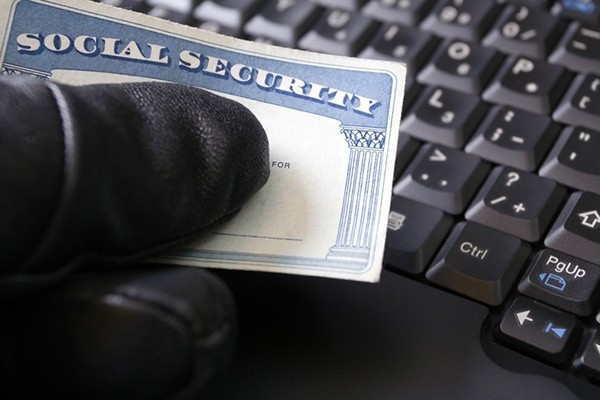
Fraudsters are increasingly persuading young people to sell their personal identity data—often disguised as “easy money”—and many victims don’t realize the long-term risks they incur. According to The Epoch Times, identity fraud has surged, but whereas much of the stolen data comes from institutional breaches, there’s a growing trend of youths voluntarily handing over credentials to cybercriminals. The process often involves targeted recruitment through social media or job scams, where victims are promised instant cash for something as simple as logging in or sharing personal details. Once in hand, criminals use these identities to open credit lines, commit financial fraud, or launder money, leaving the original owner facing legal and financial consequences. Meanwhile, other reports show that identity fraud is being amplified by AI‐enabled synthetic identities and that criminals exploit advanced verification bypasses to expand attacks. One identity fraud prevention service recorded over 118,000 suspected cases in the first half of 2025 alone, many tied to people selling their credentials.
Sources: The Independent, Epoch Times
Key Takeaways
– Young people are being actively recruited to “sell” their identity credentials under the guise of quick cash, without fully grasping that those credentials can be used for lasting fraud and legal liabilities.
– AI and synthetic identity tools are making it easier for criminals to take stolen or willingly provided credentials and use them to bypass security checks or create fake identities that appear legitimate.
– The consequences are serious: victims may find debts or fraudulent accounts opened in their name, and reversing the damage can be costly, time-consuming, and legally messy long after the initial transaction.
In-Depth
In recent years, identity fraud has mostly been associated with large-scale data breaches—hackers penetrating corporations, banks, and government systems and siphoning off sensitive records. But increasingly, the dynamics are shifting. According to a detailed report in The Epoch Times, fraudsters are now targeting young people directly—offering “easy money” in exchange for access to their personal credentials. Many adolescents or young adults, unfamiliar with the depth of how identity systems work, comply without appreciating that they’re entering a dangerously binding arrangement. The criminal buyers then treat those credentials as currency: opening lines of credit, registering banking or gambling accounts, or laundering illicit funds.
What makes this trend especially concerning is that AI and fraud technology advancement have empowered criminals to push these operations further. As The Independent reports, in 2025, more than 118,000 suspected cases of identity fraud were recorded just in the first half of the year. Many of those involve synthetic or fake identities built by combining real user data (whether willingly given or stolen) with AI-generated attributes. In other words, criminals can blend genuine credentials obtained from victims with fabricated supporting details, making detection harder and fraud harder to trace. IdentityWeek has similarly noted that AI tools now help generate documents, fake data, and bypass verification systems with alarming accuracy.
For the victim, the aftermath can be devastating. Because they willingly provided the credentials, reversing the damage is more complex. They could face not just credit and financial disruption, but also legal consequences—if illegal activity was conducted in their name. Credit bureaus, law enforcement, and financial institutions may take time to disentangle the abuse, while the burden of proof may rest heavily on the victim.
This evolving tactic underscores two critical warnings. First: the concept of “selling your identity” is deceptively dangerous—what seems like a quick payday can become a long-term nightmare. Second: fraudsters are becoming more sophisticated, combining AI, synthetic identity, and direct recruitment models to exploit gaps in both youth awareness and verification systems. Prevention and education are essential—adolescents and young adults must understand that credentials are not disposable tokens, and institutions must continually strengthen identity verification and fraud detection tools to respond to this rising vector.