

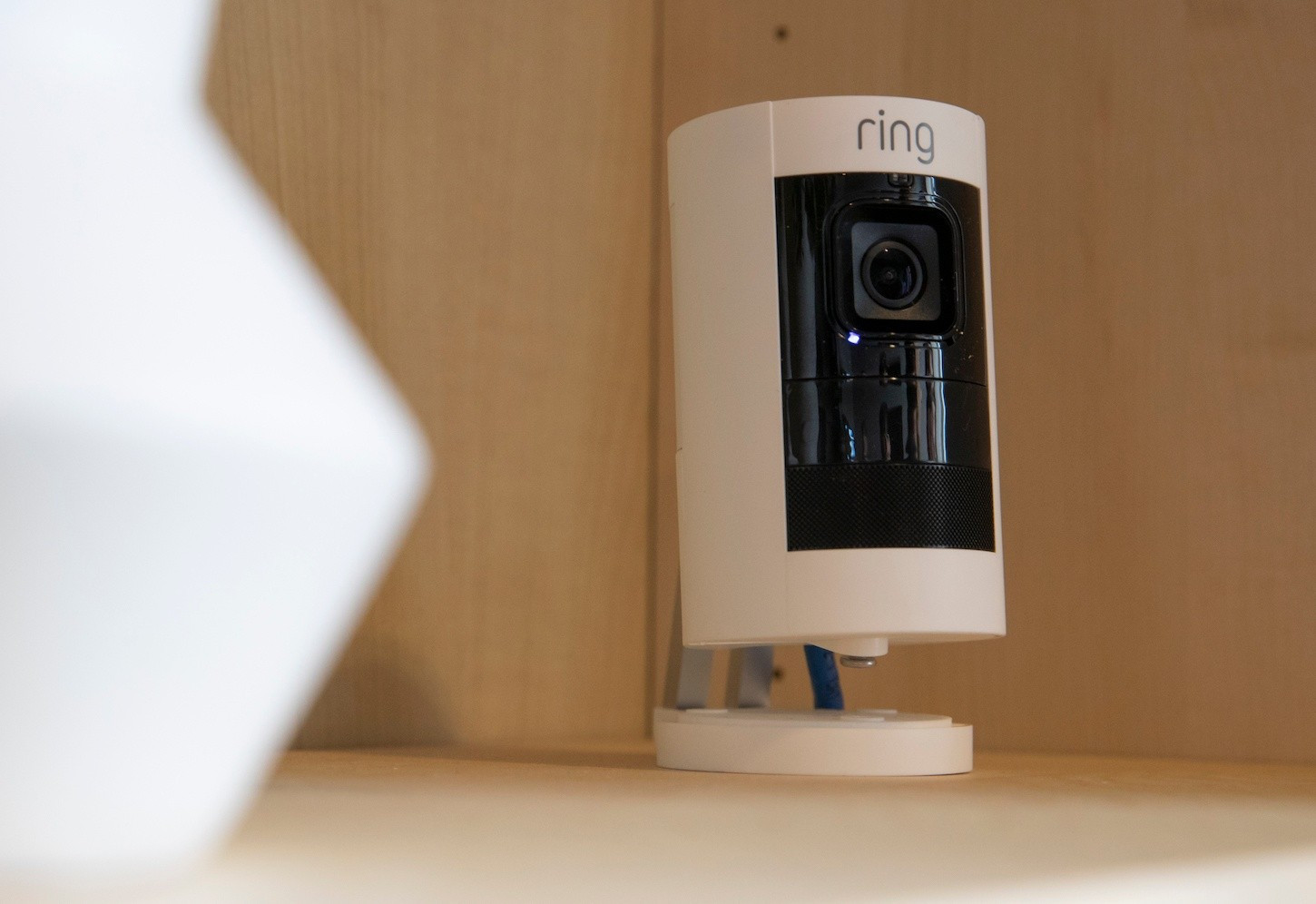
In a significant move that raises privacy and government-oversight questions, Amazon‘s surveillance arm Ring has announced a partnership with Flock Safety, an AI-powered camera network used by law enforcement, federal immigration officials, and other agencies. Under the agreement, local U.S. police and security agencies already using Flock’s Nova or FlockOS platforms will now be able to request footage from Ring doorbells via the Neighbors app. The requests must specify time, location, and a unique investigation code, but participation by Ring users remains optional. The collaboration comes amid scrutiny of Ring’s prior law-enforcement ties and its settlement with the U.S. Federal Trade Commission over privacy failings. Meanwhile Flock’s technology—which scans license plates, tracks vehicles, and has provided data to agencies such as the U.S. Secret Service, Navy, and immigration enforcement—raises further concerns about expanded surveillance capabilities and civil-liberties risks.
Sources: ARS Technica, TechCrunch
Key Takeaways
– The partnership between Ring and Flock broadens law-enforcement access to private home-security cameras across millions of homes via optional user sharing.
– Flock’s existing network—already connected with agencies like ICE and the Secret Service—adds powerful AI tracking tools (e.g., license-plate scanning, object/vehicle matching) to Ring’s community-based device ecosystem.
– Though user participation is claimed to be “optional,” the aggregation of private camera data into public-safety workflows presents a notable expansion of surveillance infrastructure with relatively limited public transparency.
In-Depth
The newly revealed alliance between Amazon’s Ring and Flock Safety marks a pivot in how private home-security devices interface with public law-enforcement systems, and for many who value both safety and individual privacy, this shift will feel more uncomfortable than comforting. Ring, best known for its video doorbells and integrated Neighbors app, now seems to be positioning its hardware not just as a neighborhood watchdog but as a direct conduit into formal investigative networks. The partnership allows agencies using Flock’s network—already deployed in thousands of jurisdictions—to request footage from Ring users within defined geographies, making Ring devices part of a much broader surveillance mesh.
From one perspective, the move could be framed as “good guys get more tools” to solve crime: homeowners with Ring cameras may be willing to share footage that helps an investigation, and law enforcement agencies gain access to a wider pool of potential evidence. That aligns with conservative priorities of supporting law enforcement, enhancing public safety, and leveraging technology to deter crime. But the manner of access, the scale of integration, and the absence of robust opt-in/opt-out clarity raise second-order concerns about civil liberties.
For instance: What counts as “optional” participation by Ring users? Users can allegedly disable notifications, but if a request shows up in Neighbors, many may feel peer or social pressure to respond. More importantly, how much oversight is there when agencies that tap Flock’s network—which already has relationships with the U.S. Secret Service, Navy, and federal immigration enforcement—can now effectively broaden their reach via the estimated millions of Ring devices out in homes? Flock itself uses license-plate scanning and AI object tracking to add context and heel tracks to vehicle and person movements. In short: each participating Ring-Flock node becomes a tiny node in a vast intelligence grid.
Given Ring’s prior record — including a 2023 settlement with the Federal Trade Commission in which Ring agreed to pay $5.8 million over allegations of poor data protections and employee access to user video footage — the public might reasonably question how well safeguards have improved. The Verge coverage notes that Ring denied wrongdoing but that keeping user trust remains a challenge. Against that backdrop, the new integration with Flock might be seen less as a simple upgrade and more as a meaningful shift in the Ring product’s mission: from community alert device to enforcement tool.
From a policy standpoint, the optics of aligning private-sector home cameras with broad governmental surveillance networks raise potential risks: normalization of surveillance, diminishing homeowner agency, and potential mission creep. Even if physical crime-solving benefits accrue, the trade-off is subtle: living spaces become less private; voluntary camera-sharing platforms slide closer to mandatory tracking frameworks.
Conservatives who trust law enforcement and value law-and-order may welcome the extended coverage and evidence collection capability. Yet even that perspective ought to ask: Are we expanding law-enforcement reach in a transparent, accountable way — or quietly underwriting a private-public surveillance complex that grows beyond its original scope? Home security should be under the homeowner’s control, not default-integrated into a broader police network without clear boundaries. If Ring wants to serve neighborhoods safely, it must go beyond “optional” language and ensure real, informed consent, meaningful transparency, and robust limits on how and when footage is shared across networks.
In sum: the Ring-Flock alliance represents a powerful enhancement of camera-network enforcement capability, but also a serious escalation in the intersection of private devices and public surveillance. For those who value both security and personal privacy, the question now is less about whether this is smart innovation — that part is obvious — and more about how the rules, the oversight, and the conditions of voluntary participation will be set and enforced.