

Close Menu

    Subscribe to Updates

    Get the latest creative news from FooBar about art, design and business.

    What's Hot

    DeSantis Pushes Aggressive State AI Regulation With AI Bill of Rights and Data Center Limits

    February 9, 2026

    Lawmakers, Parents Renew Push To Sunset Section 230 And Make Big Tech Liable

    February 9, 2026

    Slovenia Proposes Ban On Social Media For Under-15s Amid Growing Global Push

    February 8, 2026
    Facebook X (Twitter) Instagram
    • Tech
    • AI News
    • Get In Touch
    Facebook X (Twitter) LinkedIn
    TallwireTallwire
    • Tech

      Lawmakers, Parents Renew Push To Sunset Section 230 And Make Big Tech Liable

      February 9, 2026

      NASA Clears Smartphones for Artemis Moon Mission

      February 7, 2026

      SpaceX Acquires xAI in Record-Setting Merger, Pivots Toward Space-Based AI Data Centers

      February 7, 2026

      Iran’s Government Blackout of the Internet Amid Protests Stifles Communication and Masks Violence

      February 6, 2026

      Israeli Aerospace Startup Unveils Heavy-Lift Cargo Drone at Singapore Airshow

      February 6, 2026
    • AI News

      DeSantis Pushes Aggressive State AI Regulation With AI Bill of Rights and Data Center Limits

      February 9, 2026

      EU Drove Global Censorship Through Tech Platforms: House Judiciary Report

      February 8, 2026

      China’s Porn Spam Tactic on X Draws Red Flags Over Digital Censorship

      February 8, 2026

      Amazon Begins Closed Beta Testing of AI Tools to Reshape Film and TV Production

      February 8, 2026

      European University Offline for Days After Major Cyberattack Disrupts Systems

      February 7, 2026
    • Security

      EU Drove Global Censorship Through Tech Platforms: House Judiciary Report

      February 8, 2026

      Slovenia Proposes Ban On Social Media For Under-15s Amid Growing Global Push

      February 8, 2026

      NSW Moves to Make Employers Liable for AI and Digital System Harms Under Work Safety Law

      February 8, 2026

      Hackers Dump Millions of Harvard and UPenn Records After Refused Ransom Demands

      February 8, 2026

      European University Offline for Days After Major Cyberattack Disrupts Systems

      February 7, 2026
    • Health

      AI Technology Offers Early Warning System for Deadly Coral Bleaching

      February 6, 2026

      Israel’s New Soreq B Desalination Plant Reaches Full Operational Capacity Boosting Water Supply

      February 3, 2026

      Institutions Are Missing AI’s Potential For Drug Discovery, Experts Say

      February 2, 2026

      Landmark Legal Battles Ignite Over Alleged Social Media Addiction Impacting Youth and Schools

      February 1, 2026

      OpenAI Deploys Free AI-Powered Scientific Workspace Prism to Reshape Research

      January 31, 2026
    • Science

      Pacific Fusion Advances Cheaper Path to Fusion Through Sandia Reactor Experiments

      February 8, 2026

      Trump’s Critical Minerals Reserve Signals U.S. Adapts to Electric Future Amid China Competition

      February 7, 2026

      NASA Clears Smartphones for Artemis Moon Mission

      February 7, 2026

      Elon Musk Pushes Forward With Orbital Data Center Ambitions

      February 7, 2026

      AI Technology Offers Early Warning System for Deadly Coral Bleaching

      February 6, 2026
    • People

      Google Co-Founder’s Epstein Contacts Reignite Scrutiny of Elite Tech Circles

      February 7, 2026

      Bill Gates Denies “Absolutely Absurd” Claims in Newly Released Epstein Files

      February 6, 2026

      Informant Claims Epstein Employed Personal Hacker With Zero-Day Skills

      February 5, 2026

      Starlink Becomes Critical Internet Lifeline Amid Iran Protest Crackdown

      January 25, 2026

      Musk Pledges to Open-Source X’s Recommendation Algorithm, Promising Transparency

      January 21, 2026
    TallwireTallwire
    Home»Tech»Amazon’s Ring Expands Police Network via Partner Flock—A Surveillance Leap
    Tech

    Amazon’s Ring Expands Police Network via Partner Flock—A Surveillance Leap

    5 Mins Read
    Facebook Twitter Pinterest LinkedIn Tumblr Email
    Amazon’s Ring Expands Police Network via Partner Flock—A Surveillance Leap
    Amazon’s Ring Expands Police Network via Partner Flock—A Surveillance Leap
    Share
    Facebook Twitter LinkedIn Pinterest Email

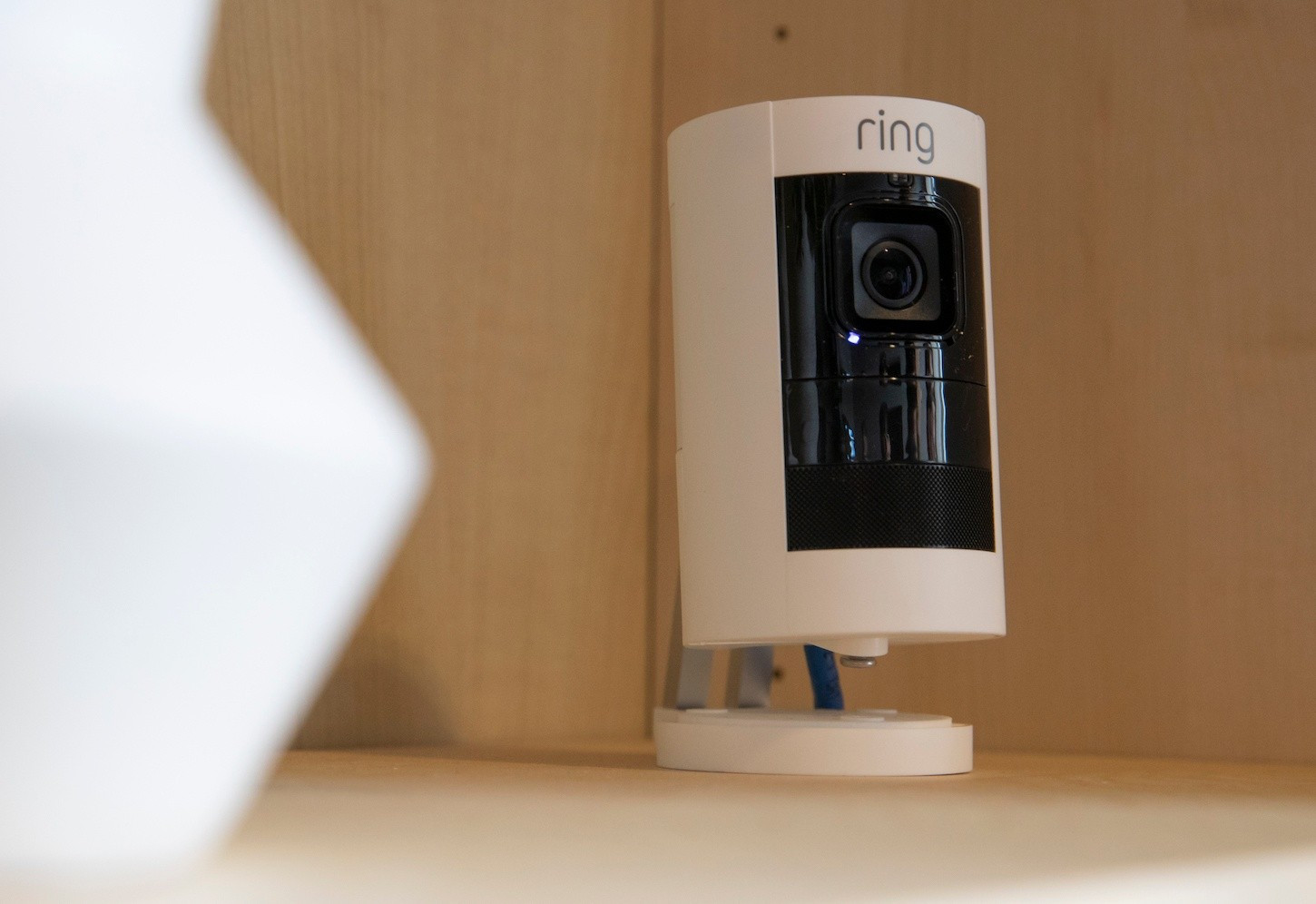
    In a significant move that raises privacy and government-oversight questions, Amazon’s surveillance arm Ring has announced a partnership with Flock Safety, an AI-powered camera network used by law enforcement, federal immigration officials, and other agencies. Under the agreement, local U.S. police and security agencies already using Flock’s Nova or FlockOS platforms will now be able to request footage from Ring doorbells via the Neighbors app. The requests must specify time, location, and a unique investigation code, but participation by Ring users remains optional. The collaboration comes amid scrutiny of Ring’s prior law-enforcement ties and its settlement with the U.S. Federal Trade Commission over privacy failings. Meanwhile Flock’s technology—which scans license plates, tracks vehicles, and has provided data to agencies such as the U.S. Secret Service, Navy, and immigration enforcement—raises further concerns about expanded surveillance capabilities and civil-liberties risks.

    Sources: ARS Technica, TechCrunch

    Key Takeaways

    – The partnership between Ring and Flock broadens law-enforcement access to private home-security cameras across millions of homes via optional user sharing.

    – Flock’s existing network—already connected with agencies like ICE and the Secret Service—adds powerful AI tracking tools (e.g., license-plate scanning, object/vehicle matching) to Ring’s community-based device ecosystem.

    – Though user participation is claimed to be “optional,” the aggregation of private camera data into public-safety workflows presents a notable expansion of surveillance infrastructure with relatively limited public transparency.

    In-Depth

    The newly revealed alliance between Amazon’s Ring and Flock Safety marks a pivot in how private home-security devices interface with public law-enforcement systems, and for many who value both safety and individual privacy, this shift will feel more uncomfortable than comforting. Ring, best known for its video doorbells and integrated Neighbors app, now seems to be positioning its hardware not just as a neighborhood watchdog but as a direct conduit into formal investigative networks. The partnership allows agencies using Flock’s network—already deployed in thousands of jurisdictions—to request footage from Ring users within defined geographies, making Ring devices part of a much broader surveillance mesh.

    From one perspective, the move could be framed as “good guys get more tools” to solve crime: homeowners with Ring cameras may be willing to share footage that helps an investigation, and law enforcement agencies gain access to a wider pool of potential evidence. That aligns with conservative priorities of supporting law enforcement, enhancing public safety, and leveraging technology to deter crime. But the manner of access, the scale of integration, and the absence of robust opt-in/opt-out clarity raise second-order concerns about civil liberties.

    For instance: What counts as “optional” participation by Ring users? Users can allegedly disable notifications, but if a request shows up in Neighbors, many may feel peer or social pressure to respond. More importantly, how much oversight is there when agencies that tap Flock’s network—which already has relationships with the U.S. Secret Service, Navy, and federal immigration enforcement—can now effectively broaden their reach via the estimated millions of Ring devices out in homes? Flock itself uses license-plate scanning and AI object tracking to add context and heel tracks to vehicle and person movements. In short: each participating Ring-Flock node becomes a tiny node in a vast intelligence grid.

    Given Ring’s prior record — including a 2023 settlement with the Federal Trade Commission in which Ring agreed to pay $5.8 million over allegations of poor data protections and employee access to user video footage — the public might reasonably question how well safeguards have improved. The Verge coverage notes that Ring denied wrongdoing but that keeping user trust remains a challenge. Against that backdrop, the new integration with Flock might be seen less as a simple upgrade and more as a meaningful shift in the Ring product’s mission: from community alert device to enforcement tool.

    From a policy standpoint, the optics of aligning private-sector home cameras with broad governmental surveillance networks raise potential risks: normalization of surveillance, diminishing homeowner agency, and potential mission creep. Even if physical crime-solving benefits accrue, the trade-off is subtle: living spaces become less private; voluntary camera-sharing platforms slide closer to mandatory tracking frameworks.

    Conservatives who trust law enforcement and value law-and-order may welcome the extended coverage and evidence collection capability. Yet even that perspective ought to ask: Are we expanding law-enforcement reach in a transparent, accountable way — or quietly underwriting a private-public surveillance complex that grows beyond its original scope? Home security should be under the homeowner’s control, not default-integrated into a broader police network without clear boundaries. If Ring wants to serve neighborhoods safely, it must go beyond “optional” language and ensure real, informed consent, meaningful transparency, and robust limits on how and when footage is shared across networks.

    In sum: the Ring-Flock alliance represents a powerful enhancement of camera-network enforcement capability, but also a serious escalation in the intersection of private devices and public surveillance. For those who value both security and personal privacy, the question now is less about whether this is smart innovation — that part is obvious — and more about how the rules, the oversight, and the conditions of voluntary participation will be set and enforced.

    Share. Facebook Twitter Pinterest LinkedIn Tumblr Email
    Previous ArticleAmazon Rolls Out “Help Me Decide” AI Tool That Tells You Why You Should Buy a Product
    Next Article Amazon’s Ring ‘Familiar Faces’ AI Facial-Recognition Feature Sparks National Privacy Backlash

    Related Posts

    Lawmakers, Parents Renew Push To Sunset Section 230 And Make Big Tech Liable

    February 9, 2026

    NASA Clears Smartphones for Artemis Moon Mission

    February 7, 2026

    SpaceX Acquires xAI in Record-Setting Merger, Pivots Toward Space-Based AI Data Centers

    February 7, 2026

    Iran’s Government Blackout of the Internet Amid Protests Stifles Communication and Masks Violence

    February 6, 2026
    Add A Comment
    Leave A Reply Cancel Reply

    Editors Picks

    Lawmakers, Parents Renew Push To Sunset Section 230 And Make Big Tech Liable

    February 9, 2026

    NASA Clears Smartphones for Artemis Moon Mission

    February 7, 2026

    SpaceX Acquires xAI in Record-Setting Merger, Pivots Toward Space-Based AI Data Centers

    February 7, 2026

    Iran’s Government Blackout of the Internet Amid Protests Stifles Communication and Masks Violence

    February 6, 2026
    Top Reviews
    Tallwire
    Facebook X (Twitter) LinkedIn Threads Instagram RSS
    • Tech
    • Entertainment
    • Business
    • Government
    • Academia
    • Transportation
    • Legal
    • Press Kit
    © 2026 Tallwire. Optimized by ARMOUR Digital Marketing Agency.

    Type above and press Enter to search. Press Esc to cancel.