

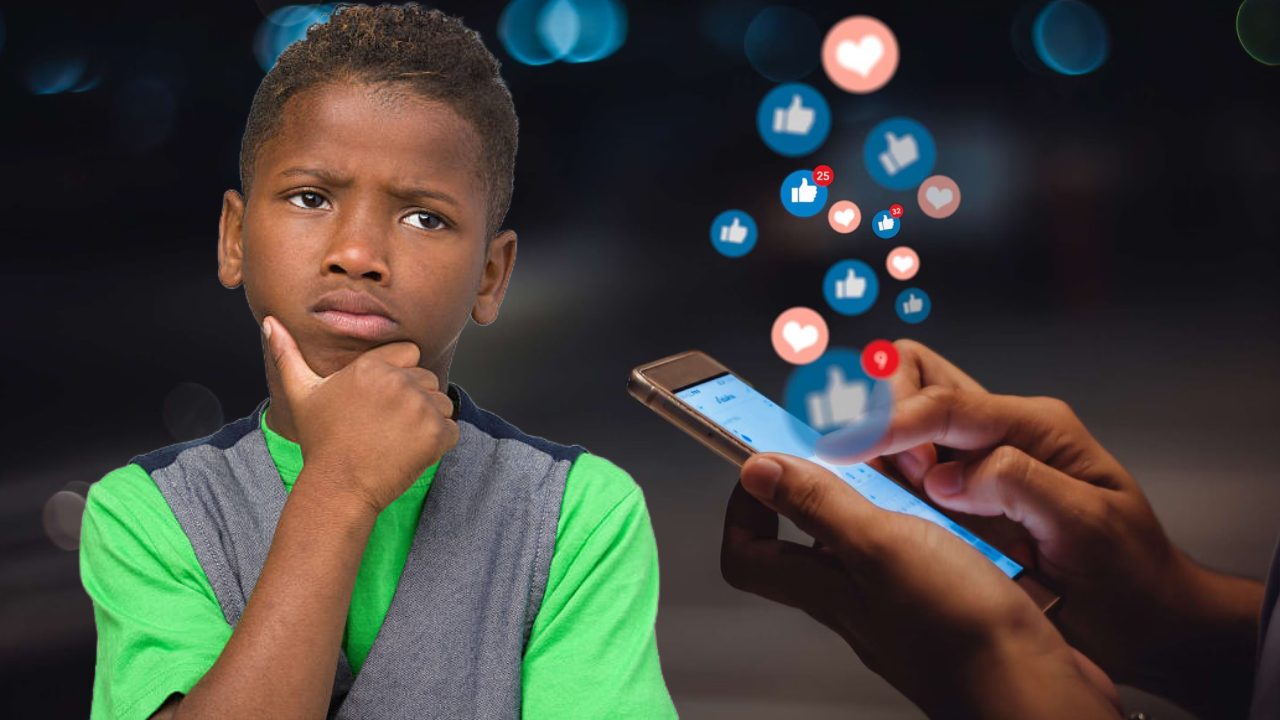
Senior physicians in the United Kingdom are escalating warnings about the effects of social media on children, comparing its dangers to the public health threats once posed by widespread smoking. The warning comes as British officials consider stronger restrictions on youth access to social media platforms, including possible bans for children under 16, curfews, and limits on addictive platform features. Medical professionals report a growing number of cases involving anxiety, depression, self-harm, exposure to violent content, and dangerous behavioral imitation linked to online activity. The debate reflects a broader realization that technology companies have been permitted to operate with minimal accountability while children absorb the consequences. As governments across the Western world confront rising concerns about youth mental health, the question is no longer whether social media poses risks, but whether policymakers are willing to challenge powerful technology interests to protect children.
Sources
- https://www.theepochtimes.com/world/uk-doctors-compare-social-media-harms-affecting-children-to-smoking-6038691
- https://www.reuters.com/legal/litigation/social-media-bad-children-smoking-british-doctors-say-2026-05-26
- https://www.thetimes.com/uk/social-media/article/social-media-the-new-smoking-hlfrrk83q
- https://www.theguardian.com/uk-news/2026/may/25/social-media-should-be-treated-like-tobacco-streeting-calls-for-under-16s-ban-on-certain-platforms
Key Takeaways
- British medical leaders increasingly view unrestricted social media exposure as a major public health threat comparable to smoking, citing both mental and physical harms among children and teenagers.
- Policymakers are actively considering measures such as age-based restrictions, app curfews, limits on algorithmic engagement tools, and potential bans for users under 16.
- Growing evidence suggests that technology platforms have created incentive structures that prioritize engagement and profit while exposing minors to harmful, addictive, and psychologically damaging content.
In-Depth
For years, critics of social media’s influence on young people were often dismissed as alarmists or technophobes. That attitude is becoming increasingly difficult to defend. Britain’s leading medical organizations are now publicly comparing the impact of social media on children to the dangers of smoking, a comparison that carries enormous weight given the historical lessons learned from decades of tobacco-related health damage.
The comparison is not merely rhetorical. Physicians report routinely treating children suffering from anxiety, depression, self-harm tendencies, sleep disruption, and trauma connected to what they encounter online. Cases involving exposure to violent content, dangerous challenges, pornography, and extremist material are no longer isolated incidents but recurring realities in clinical settings. The cumulative effect is creating a generation increasingly shaped by algorithms designed to maximize attention rather than well-being.
From a conservative perspective, the issue also highlights the failure of modern institutions to place the interests of families ahead of corporate profit. Technology giants have built business models around keeping users engaged for as long as possible, and children have become some of the most valuable targets. The result has been an erosion of parental authority, childhood independence, and healthy social development.
While reasonable debate remains over whether outright bans are the best solution, the growing consensus among medical professionals is difficult to ignore. The same society that eventually recognized the dangers of tobacco may now be reaching a similar moment with social media. The challenge for policymakers is determining whether they possess the political will to act before another generation bears the cost.