

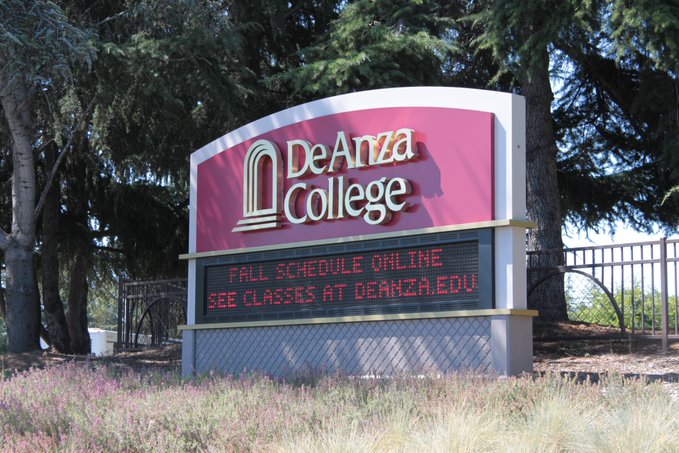
In a sign of how rapidly artificial intelligence is reshaping higher education and workforce development, De Anza College has announced what it describes as Silicon Valley’s first associate degree program in applied artificial intelligence, alongside six new AI-focused credentials and more than 20 additional degree and certificate offerings. The initiative reflects growing recognition that AI literacy is no longer a niche technical skill but an economic necessity, particularly in the technology-driven Bay Area. The program emphasizes practical applications of AI, workplace integration, and ethical development practices, aiming to prepare both traditional students and working professionals for an increasingly automated economy. As businesses continue integrating generative AI into operations ranging from marketing and human resources to analytics and software development, educational institutions are moving aggressively to supply a workforce capable of navigating the opportunities—and risks—of the AI era.
Sources
- https://www.theepochtimes.com/tech/de-anza-college-launches-silicon-valleys-first-ai-associate-degree-6038555
- https://www.govtech.com/education/higher-ed/de-anza-college-launches-associate-degree-in-applied-ai
- https://krauseinnovationcenter.org/initiative/silicon-valley-artificial-intelligence-project/
Key Takeaways
- Community colleges are moving quickly to position themselves as affordable entry points into the AI economy, offering specialized credentials that can be completed faster and at lower cost than traditional four-year degrees.
- The growing focus on responsible and ethical AI development suggests that institutions recognize public concerns surrounding bias, privacy, automation, and the societal impact of artificial intelligence.
- Silicon Valley’s educational ecosystem is increasingly aligning curriculum development with labor-market demand, reflecting expectations that AI proficiency will become as fundamental as computer literacy was in previous decades.
In-Depth
The launch of an applied artificial intelligence associate degree at De Anza College represents more than just another academic program. It reflects a broader economic reality that many policymakers, business leaders, and educators are finally acknowledging: artificial intelligence is rapidly becoming a foundational component of the modern workforce. Just as personal computers transformed employment expectations in the 1980s and internet literacy became essential in the 1990s and 2000s, AI competency is now emerging as a baseline requirement across industries.
What makes this development noteworthy is that it is occurring at the community college level rather than exclusively within elite universities. For decades, advanced technology education was largely concentrated among expensive four-year institutions and graduate programs. By bringing AI instruction into a more accessible environment, De Anza is effectively democratizing entry into one of the most influential sectors of the economy. That matters for students seeking upward mobility without assuming massive debt burdens.
The emphasis on workplace applications is equally significant. Businesses are not merely searching for AI researchers; they increasingly need employees who understand how to use generative AI tools, analyze AI-generated outputs, and integrate automation into everyday operations. From accounting departments to marketing teams, practical AI knowledge is becoming a competitive advantage.
At the same time, the inclusion of ethical AI instruction acknowledges a concern many conservatives and business leaders share: technological advancement should not come at the expense of accountability, transparency, or human judgment. The most successful workforce of the future will likely be one that understands both the power and the limitations of artificial intelligence. Programs like this suggest that some educational institutions are beginning to recognize that reality and are attempting to prepare students accordingly.