

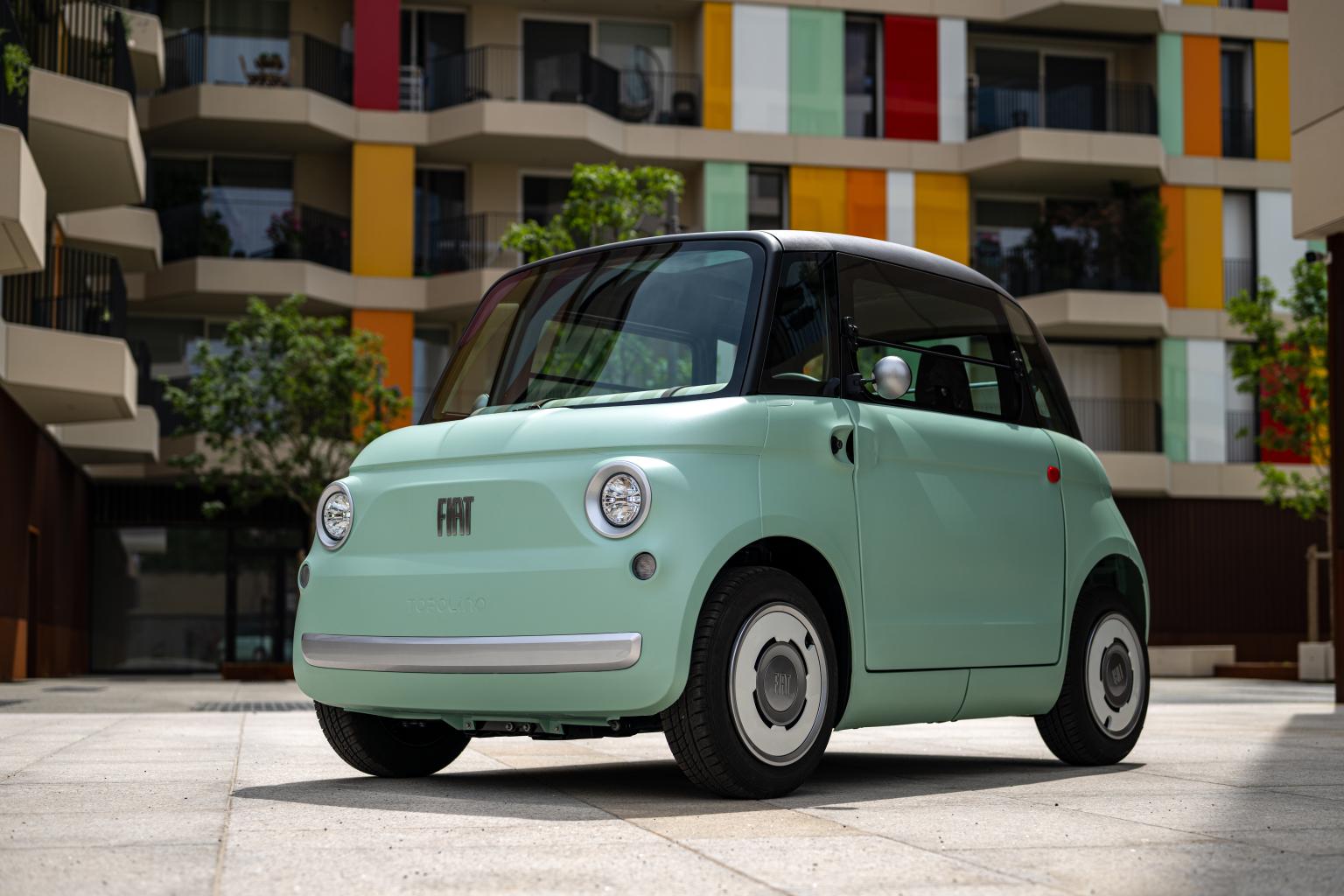
Fiat is bringing its diminutive all-electric Topolino to the United States with a starting price of $13,995, making it one of the least expensive new electric vehicles available in America. The catch is that the Topolino is not intended to compete with conventional automobiles. Initially limited to private property and low-speed environments such as resorts, golf communities, and planned neighborhoods, the vehicle tops out at just 19 mph before a planned free conversion kit upgrades it to federally recognized Low-Speed Vehicle status with a maximum speed of 25 mph on qualifying roads. At a time when new vehicle prices continue to hover around record highs, Fiat is wagering that there is a niche market for ultra-affordable, minimalist transportation. Whether Americans embrace the concept or reject it as little more than an expensive golf cart remains the central question surrounding the vehicle’s U.S. debut.
Sources
- https://nypost.com/2026/07/08/lifestyle/fiat-launching-tiny-european-ev-in-the-us-with-low-price-tag-but-theres-a-catch
- https://www.reuters.com/business/autos-transportation/fiat-launches-topolino-mini-ev-us-with-13995-price-tag-2026-07-07
- https://www.wsj.com/business/autos/fiats-next-move-in-america-tiny-cute-electric-and-14-000-064a02f0
- https://www.caranddriver.com/news/a71852287/fiat-topolino-on-sale-us-pricing
Key Takeaways
- Fiat is targeting a specialized market for neighborhood transportation rather than attempting to compete directly with conventional passenger cars.
- The Topolino’s remarkably low purchase price comes with significant tradeoffs, including limited speed, short driving range, and restricted operating environments.
- The vehicle’s arrival underscores growing consumer frustration with soaring new and used vehicle prices, prompting automakers to explore unconventional low-cost transportation alternatives.
In-Depth
Fiat’s decision to introduce the Topolino into the American market represents an unusual departure from the industry’s relentless pursuit of larger, heavier, and increasingly expensive vehicles. At under $15,000, the tiny EV immediately grabs attention because it costs less than many used cars currently on dealer lots. Yet that attractive price is possible only because buyers are not getting a conventional automobile. Instead, they are purchasing a purpose-built neighborhood vehicle designed for short trips where speed is neither necessary nor desirable.
From a conservative perspective, the Topolino’s arrival highlights both market opportunity and market reality. Americans have repeatedly demonstrated that they overwhelmingly prefer vehicles capable of handling highways, long commutes, and family travel. Government incentives and regulatory mandates cannot change those practical considerations. If the Topolino succeeds, it will do so because consumers voluntarily conclude it fills a legitimate need in retirement communities, beach towns, resorts, or master-planned neighborhoods—not because policymakers insist it represents the future of transportation.
Ultimately, Fiat deserves credit for testing whether genuine demand exists for an inexpensive, highly specialized EV. If buyers embrace it, the company will have identified an underserved niche. If they do not, it will serve as another reminder that affordability alone cannot overcome consumer expectations regarding performance, versatility, and convenience. In a free market, that determination belongs to American buyers rather than government planners.