

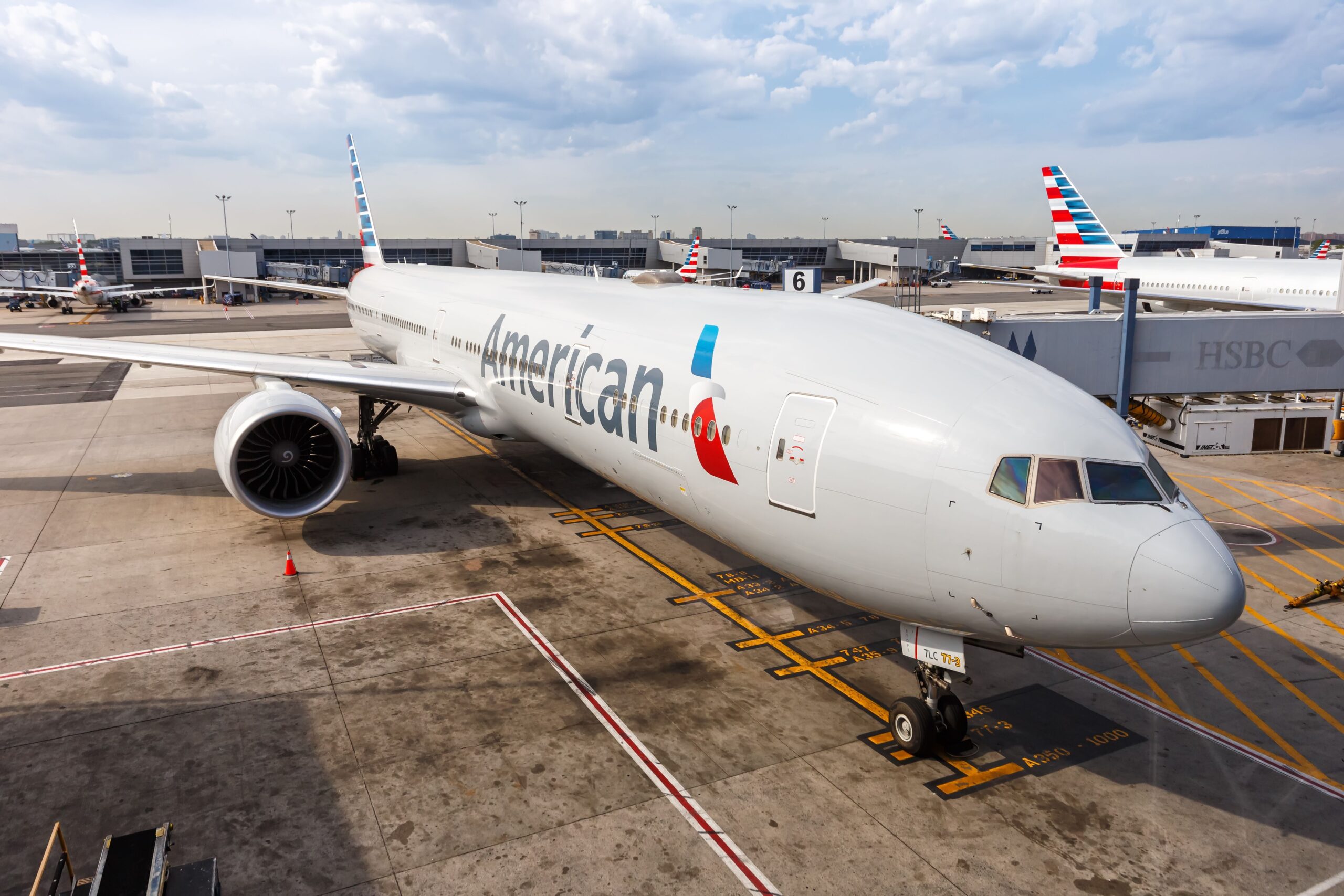
American Airlines is moving aggressively to modernize its passenger experience by announcing plans to install SpaceX‘s Starlink satellite internet service on more than 500 narrowbody aircraft beginning in early 2027, a move that underscores the increasingly fierce competition among major airlines to provide reliable, high-speed in-flight connectivity. The rollout will include much of American’s Airbus narrowbody fleet, including new A321neo and A321XLR aircraft, and follows the carrier’s broader push to offer complimentary Wi-Fi to loyalty-program members. The decision places American alongside several competitors that have already embraced Starlink technology, reflecting a growing industry consensus that traditional airline internet systems are no longer sufficient for travelers who expect ground-like connectivity in the air. As airlines seek new ways to attract premium customers and business travelers, faster satellite-based internet has become a major competitive differentiator, while SpaceX continues expanding Starlink’s influence beyond residential broadband and into global transportation infrastructure.
Sources
- https://www.reuters.com/business/media-telecom/american-airlines-equip-over-500-narrow-body-jets-with-starlink-wi-fi-2027-2026-05-26
- https://www.theverge.com/transportation/937439/american-airlines-starlink-wifi-speed
- https://news.aa.com/news/news-details/2026/American-to-install-Starlink-the-fastest-Wi-Fi-in-the-sky-MKG-OB-05/default.aspx
- https://www.wsj.com/business/airlines/american-airlines-to-offer-starlink-internet-on-flights-dcd07845
Key Takeaways
- American Airlines is upgrading more than 500 aircraft with Starlink, signaling that ultra-fast satellite internet is rapidly becoming a standard expectation rather than a luxury amenity.
- SpaceX continues expanding its dominance in aviation connectivity, adding another major U.S. carrier to a customer list that already includes several leading domestic and international airlines.
- The airline industry is increasingly competing on passenger experience rather than merely ticket pricing, with dependable internet access becoming a major selling point for business and premium travelers.
In-Depth
For years, airline passengers have endured one of the last great frustrations of modern travel: painfully slow, unreliable, and often overpriced in-flight internet. American Airlines’ decision to embrace Starlink on more than 500 aircraft represents an acknowledgment that travelers are no longer willing to accept second-rate connectivity simply because they are 35,000 feet above the ground.
The move also highlights a broader market reality. Airlines are no longer competing solely on fares, route networks, or loyalty perks. In an era where remote work, constant communication, and streaming entertainment have become everyday expectations, connectivity has emerged as a battlefield all its own. Travelers increasingly view internet access as an essential utility, not an optional add-on.
From a business standpoint, American’s decision appears less like a technological experiment and more like a necessary response to competitive pressure. Rival carriers have already moved toward Starlink-powered systems, while others are investing heavily in next-generation satellite networks. Falling behind in this arena risks making an airline appear outdated to customers who expect seamless digital access throughout their journeys.
More broadly, the announcement demonstrates how private-sector innovation continues to reshape entire industries. Rather than relying on government-driven infrastructure initiatives, airlines are turning to commercial satellite networks capable of delivering speeds once thought impossible aboard aircraft. If Starlink performs as advertised, passengers may soon view uninterrupted connectivity in the sky as commonplace—a transformation that seemed far-fetched only a few years ago.