

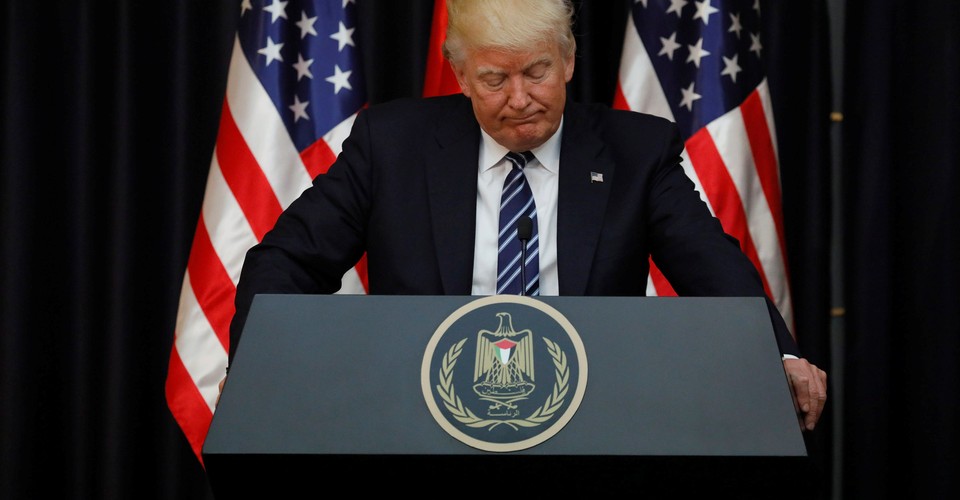
The Trump administration’s aggressive $2 billion push into quantum computing has revealed a striking divide inside America’s technology sector, with several of the industry’s most recognizable names — including Google, Microsoft, and IonQ — excluded from the latest federal investment round. Instead, the administration directed funding toward a targeted portfolio of firms focused on domestic manufacturing, infrastructure, and specialized quantum architectures, signaling a more nationalist and industrial-policy-driven approach to technological supremacy against China. The move reflects a broader effort to prioritize companies willing to anchor quantum production and research capabilities inside the United States while tying taxpayer funding to direct government equity stakes, a strategy increasingly favored by the administration as it attempts to secure American dominance in next-generation computing and national security technologies.
Sources
https://www.semafor.com/article/05/22/2026/big-names-missing-from-trumps-quantum-investment
https://www.reuters.com/business/us-award-2-billion-quantum-computing-firms-take-equity-stakes-wsj-reports-2026-05-21
https://www.nist.gov/news-events/news/2026/05/department-commerce-announces-letters-intent-9-companies-2-billion
https://www.wsj.com/tech/u-s-to-award-quantum-computing-firms-2-billion-and-take-equity-stakes-7382e6be
Key Takeaways
- The administration’s quantum strategy is centered less on Silicon Valley prestige and more on building a domestically controlled manufacturing and research ecosystem capable of competing with China.
- By taking minority equity stakes in funded companies, Washington is moving toward a more interventionist economic model in which taxpayers directly participate in the upside of strategic technology investments.
- The exclusion of major firms like Google and Microsoft suggests growing skepticism inside the administration toward concentrating critical emerging technologies in the hands of already-dominant Big Tech corporations.
In-Depth
The administration’s latest quantum computing initiative represents far more than a conventional technology subsidy. It is the clearest sign yet that Washington views quantum computing as a geopolitical weapon every bit as important as semiconductors, artificial intelligence, or aerospace dominance. While previous administrations often leaned heavily on established technology giants, the current approach appears designed to cultivate an entirely new industrial class of strategically aligned quantum firms.
That explains why companies such as IBM, Rigetti, D-Wave, Quantinuum, PsiQuantum, and others received major backing while household names like Google and Microsoft were notably absent. The White House appears increasingly wary of allowing America’s future technological infrastructure to become even more centralized under existing Big Tech monopolies that already wield enormous economic and political influence. Instead, the administration is betting on a distributed network of specialized firms focused on manufacturing capability, domestic production, and infrastructure resilience.
The decision also reflects growing concern about China’s advances in quantum technologies. Beijing has invested heavily in quantum communications, encryption, and computing for years, often through state-directed industrial policy. Washington now appears willing to respond in kind, abandoning the older free-market assumption that private industry alone would naturally maintain America’s technological lead.
Perhaps most significant is the government’s decision to take equity stakes in recipient companies. Conservatives traditionally resisted direct federal ownership models, but the rise of strategic competition with China is reshaping that calculus. The administration is effectively arguing that if taxpayers fund the next technological revolution, taxpayers should share in the financial upside rather than merely absorb the risk.