

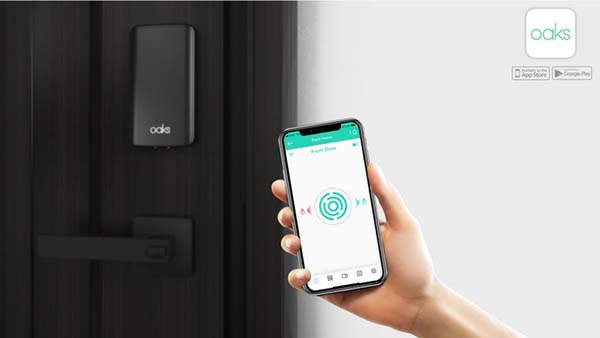
The long-anticipated Aliro smart lock standard — a universal protocol for NFC tap-to-unlock and ultra-wideband (UWB) hands-free smart lock access — is now confirmed to launch in early 2026, backed by major tech and lock industry players including Apple, Google, Samsung, Assa Abloy, Qualcomm, and Schlage. Designed to unify how smartphones and wearables act as digital keys across brands and ecosystems, Aliro aims to eliminate app dependencies and cloud access by enabling secure, direct device-to-lock communication using asymmetric encryption even offline. The standard’s adoption could significantly expand interoperable digital door access beyond Apple’s Home Key, bringing Home Key-like convenience to Android and other devices while also reducing fragmentation in the smart home security market. Industry analysts note that while Wi-Fi, Bluetooth, and legacy technologies still play roles in smart home systems, the push toward standardized NFC/UWB credentials via Aliro may accelerate broader adoption of secure smartphone-based door access in homes, offices, and commercial settings. Some existing locks won’t be upgradeable due to hardware requirements, but new Aliro-certified products are expected soon after certification completes.
Sources:
https://www.theverge.com/news/854091/aliro-smart-lock-standard-launches-2026-apple-uwb-nfc
https://www.eenewseurope.com/en/what-is-the-aliro-smart-lock-standard/
https://www.forbes.com/sites/bennyhareven/2025/12/31/why-aliro-the-new-smart-lock-standard-matters-for-the-smart-home/
Key Takeaways
• Unified digital key standard: Aliro will standardize digital lock access across devices and brands, reducing fragmentation in the smart lock market.
• Security and convenience: Direct NFC and UWB communication without cloud reliance may yield faster, more secure unlocking even offline.
• Industry momentum: Broad industry backing — from Apple to major lock manufacturers — suggests Aliro could reshape consumer expectations for smart home access.
In-Depth
The smart home revolution has long promised the day when your smartphone or smartwatch replaces every physical key on your keyring, but fragmentation in technology platforms has slowed that future. Aliro, a new open standard set to officially launch in early 2026, may finally deliver that promise by unifying how smart locks communicate with digital credentials across devices and manufacturers. Supported by heavyweights like Apple, Google, Samsung, and major lock makers such as Assa Abloy and Schlage, Aliro’s goal is simple: create one interoperable language that lets any certified smartphone or wearable serve as a secure digital key. Standing in contrast to the patchwork of proprietary systems and platform-specific solutions that have dominated the market, Aliro streamlines the experience so users no longer need separate apps or cloud connectivity just to unlock a door.
At its core, Aliro emphasizes security and convenience. Instead of relying on internet connectivity or third-party servers, the protocol uses asymmetric encryption and direct device-to-lock interactions via NFC for tap-to-unlock and UWB for hands-free approach detection. That means even when your phone is offline or signal is weak, the experience should feel as seamless as using a traditional key — without the risks of cloud breaches or app vulnerabilities. This combination of technologies mirrors the best aspects of Apple’s Home Key while broadening support to Android and other platforms, helping break the ecosystem lock-in that has frustrated many early smart home adopters.
The timing couldn’t be more strategic. With smart home devices proliferating and consumers increasingly valuing integrated, secure solutions, a cross-platform standard like Aliro tackles both consumer demand for simplicity and industry demand for a unified development path. While technologies such as Wi-Fi, Bluetooth LE, and legacy mesh protocols like Z-Wave still persist within smart homes, Aliro’s unified credential framework could become a catalyst for wider adoption of true digital keys — especially as builders, integrators, and security professionals look for scalable, reliable access systems. Early hardware limitations mean some existing locks won’t be upgradable, but new products built with Aliro support are expected to roll out soon after certification begins, reshaping how everyday people think about locking and unlocking their doors. In short, Aliro could be a turning point in smart home security — making digital access both more accessible and more secure across the devices people already carry.