

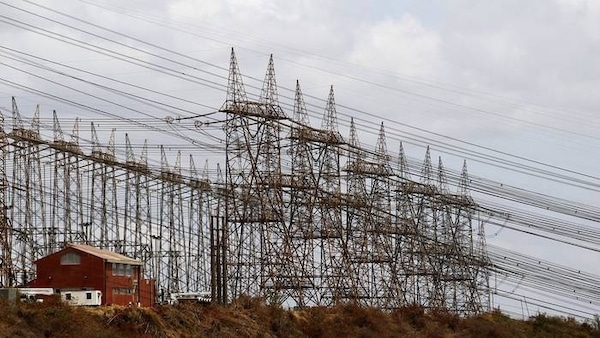
Rapid expansion of artificial intelligence infrastructure in the United States is spotlighting vulnerabilities in the nation’s aging electrical grid as data center demand outpaces power generation and transmission capacity; industry groups warn that regulatory roadblocks, insufficient transmission expansion, and grid reliability risks could undermine U.S. technological leadership and threaten energy affordability if planning and investment don’t accelerate. Source reports highlight that America’s largest grid, the PJM Interconnection, is struggling to meet skyrocketing electricity demand from data centers and AI workloads, driving projected rate increases and stressing supply chains; meanwhile, the Solar Energy Industries Association cautions that unstable permitting and an aging grid jeopardize over 110 gigawatts of clean energy capacity needed to sustain AI growth, and analysts stress that the electrical infrastructure built decades ago wasn’t designed for this level of load, requiring urgent modernization and policy reforms.
Sources:
https://www.theepochtimes.com/us/ai-expansion-highlights-dangers-of-americas-aging-power-grid-5963296
https://www.reuters.com/sustainability/boards-policy-regulation/americas-largest-power-grid-is-struggling-meet-demand-ai-2025-07-09/
https://pv-magazine-usa.com/2025/11/21/unstable-permitting-aging-grid-threaten-u-s-ai-leadership-113-gw-of-clean-energy-at-risk/
Key Takeaways
- Grid strain from AI: U.S. power infrastructure is under growing stress as data centers and AI-related computing demand surge faster than generation and transmission capacity can be added, raising reliability and cost concerns.
- Policy and permitting hurdles: Regulatory delays, unstable permitting, and insufficient grid expansion threaten to slow clean energy deployment and exacerbate power shortfalls tied to AI growth.
- Infrastructure modernization imperative: Decades-old electrical infrastructure was not designed for the modern era of dense, continuous digital loads, underscoring the urgent need for investments in generation, transmission, and regulatory reform to sustain technological leadership.
In-Depth
America’s electrical grid is facing a pivotal challenge as the artificial intelligence boom accelerates the need for vast amounts of power. Data centers, the backbone of AI services, draw continuous, high-density energy and have proliferated across key regions, outpacing the ability of grid operators to add new capacity quickly enough. In the PJM Interconnection, which serves tens of millions of customers across 13 states, this has led to grid strain, with utilities struggling to balance supply with the spike in demand from AI workloads and data center expansion. Without faster infrastructure build-outs, electricity costs for consumers could rise and reliability risks could grow.
Compounding the issue are regulatory and permitting obstacles that slow the development of new transmission lines and clean energy capacity. Trade groups such as the Solar Energy Industries Association warn that unstable permitting and aging transmission assets could put over 110 gigawatts of potential clean energy capacity at risk, just as demand surges. Much of the grid’s transmission and distribution equipment has passed its mid-life expectancy, and the pace of new construction has slowed relative to needs, leading to bottlenecks.
Experts argue that the old grid, originally designed for a different era of energy use, must be modernized to keep pace with the digital economy’s demands. Strategic investments in generation, better regulatory frameworks, and accelerated modernization efforts are seen as critical to maintaining energy reliability, affordability, and U.S. competitiveness in the global AI race.