

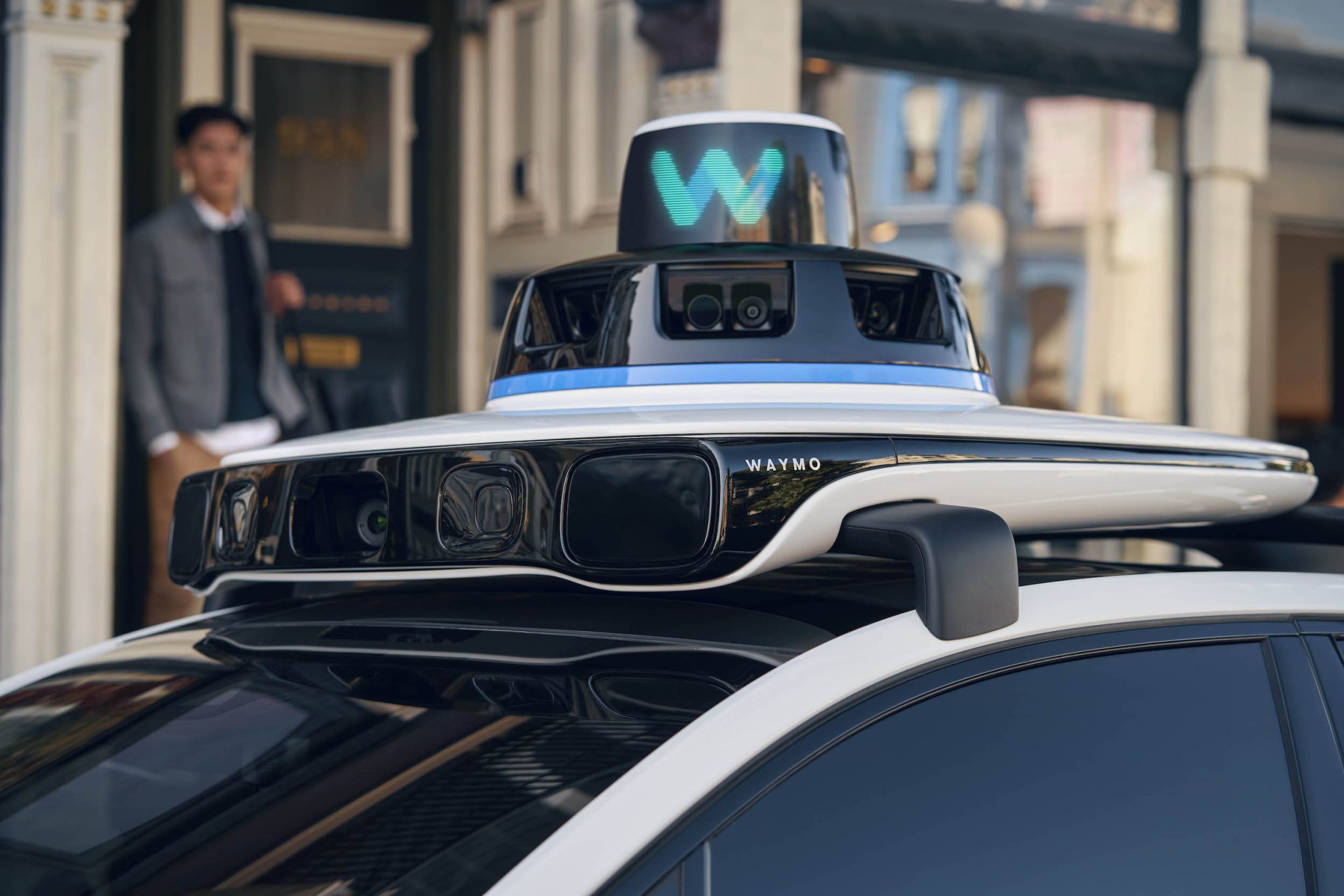
Uber, Lucid Motors, and autonomous tech specialist Nuro revealed a production-intent robotaxi built on the all-electric Lucid Gravity SUV at CES 2026 in Las Vegas, marking a major step toward commercial autonomous ride-hailing later this year. The vehicle features a distinct roof-mounted sensor array dubbed the “halo,” packed with lidar, radar, and high-resolution cameras for 360-degree perception and enhanced road safety, alongside integrated LED lighting for vehicle identification and status updates. Powered by Nvidia‘s DRIVE AGX Thor platform and Nuro’s Level 4 autonomy system, this robotaxi aims to compete with industry players like Waymo and Tesla. Passenger experience elements include interactive displays for climate, media, and route information, while on-road testing has begun in the San Francisco Bay Area with production slated for later in 2026 at Lucid’s Arizona facility, before broader deployment via the Uber app. This initiative reflects Uber’s strategic pivot to a deeper role in autonomous mobility, planning to scale to an extensive fleet over the next six years.
Sources:
https://www.theverge.com/transportation/855029/uber-lucid-nuro-robotaxi-sensor-halo-ces
https://www.caranddriver.com/news/a69919135/lucid-gravity-uber-nuro-robotaxi-revealed/
https://www.reuters.com/business/autos-transportation/lucid-nuro-uber-debut-robotaxi-ahead-launch-this-year-2026-01-05/
Key Takeaways
- Uber, Lucid, and Nuro have jointly unveiled a production-ready autonomous robotaxi at CES 2026, signaling a shift toward commercial driverless ride hailing.
- The robotaxi integrates a roof-mounted “halo” sensor system with lidar, radar, and cameras to support advanced autonomous driving capabilities.
- Initial on-road testing is underway in the San Francisco Bay Area with broader deployment expected later in 2026, potentially scaling to tens of thousands of vehicles.
In-Depth
At CES 2026, a major leap in autonomous mobility was on display as Uber, Lucid Motors, and Nuro presented their next-generation robotaxi built on the Lucid Gravity electric SUV platform. What immediately drew attention was the novel roof-mounted “halo,” a floating sensor array equipped with lidar, radar, and high-resolution cameras providing the comprehensive perception needed for safe autonomous driving. This design choice represents a significant evolution from traditional flush-mounted systems and doubles as a visible identifier for riders and other road users.
The collaboration leverages each partner’s strengths: Lucid’s high-end EV engineering and spacious Gravity platform, Nuro’s Level 4 autonomous software stack, and Uber’s vast ride-hailing network for distribution and customer interface. Inside, passengers will have access to interactive displays that let them monitor trip progress, adjust comfort settings, and connect with support staff — an effort to elevate the autonomous ride experience.
Testing is already underway in the San Francisco Bay Area with supervised prototypes, and full-scale production is scheduled to begin at Lucid’s Arizona plant later this year. Uber plans to integrate these vehicles into its app, setting the stage for a future where autonomous ride hailing could rival existing services. This initiative not only increases competition with established players like Waymo but also signals Uber’s deeper commitment to autonomous mobility after years of reliance on external technology partners.