

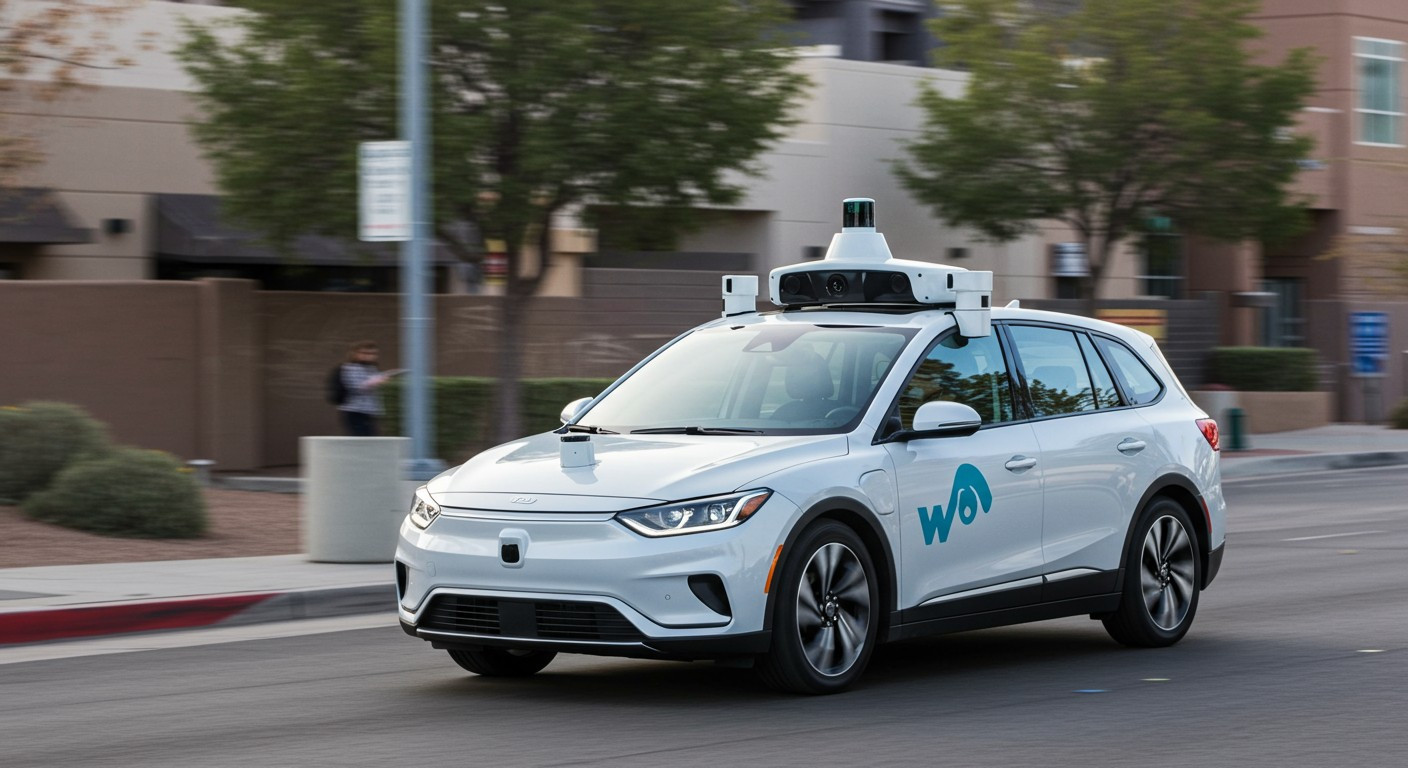
Autonomous vehicle leader Waymo has announced fleet-wide software updates after its driverless robotaxis stalled during a major San Francisco power outage, exposing weaknesses in how the vehicles handled non-functioning traffic signals and overwhelming its remote assistance system; the blackout, caused by a Pacific Gas & Electric substation fire that left about 130,000 homes and businesses in the dark, led to Waymo vehicles blocking intersections, spurring cooperation with city officials to clear streets, a temporary service pause, and commitments to refine emergency protocols and outage awareness in future operations.
Sources:
https://siliconangle.com/2025/12/24/waymo-updates-fleet-driverless-robotaxis-prevent-future-power-outage-chaos/
https://www.webpronews.com/waymo-robotaxis-stall-in-sf-power-outage-highlighting-autonomy-risks/
https://www.reuters.com/business/autos-transportation/waymo-vows-improve-emergency-response-protocols-after-san-francisco-power-outage-2025-12-24/
Key Takeaways
- Waymo’s robotaxi fleet stalled during a widespread San Francisco power outage, highlighting practical limits of autonomous vehicle systems in infrastructure failures.
- The company is deploying software updates to improve autonomy decision-making during power outages and reduce reliance on overloaded remote human assistance.
- Incidents like this reinforce ongoing scrutiny of autonomous vehicle readiness for emergency conditions and the need for robust protocols with city officials and first responders.
In-Depth
A major test for driverless technology unfolded in San Francisco when a significant power outage — reportedly tied to a fire at a Pacific Gas & Electric substation that cut electricity for tens of thousands — crippled traffic signals across large parts of the city. Dozens of Waymo’s autonomous robotaxis, programmed to treat non-functioning traffic signals as four-way stops, instead stalled at intersections and congested busy corridors. The sheer scale of the outage overloaded Waymo’s remote assistance network, which many of the cars depend on to confirm decisions in uncertain situations, leading to decision delays and gridlock that compelled the company to temporarily pause service and coordinate with city officials to remove or reposition stalled vehicles.
These visible operational challenges under real-world stress point to a broader question about the maturity of autonomous vehicle systems. They expose how even advanced self-driving technology can be vulnerable when external infrastructure fails, particularly when rapid scaling pushes systems beyond the constraints they were initially designed around. In response, Waymo has committed to rolling out fleet-wide software updates aimed at better equipping its robotaxis to recognize and respond to large-scale power outages — with more decisive navigation logic and refined emergency response protocols that lessen dependency on human confirmation.
While proponents argue autonomous vehicles can offer safety benefits over human drivers under normal conditions, events like the San Francisco blackout reveal gaps in crisis handling and underline the need for stronger coordination with municipal authorities and robust safeguards before widespread adoption can be responsibly achieved.