

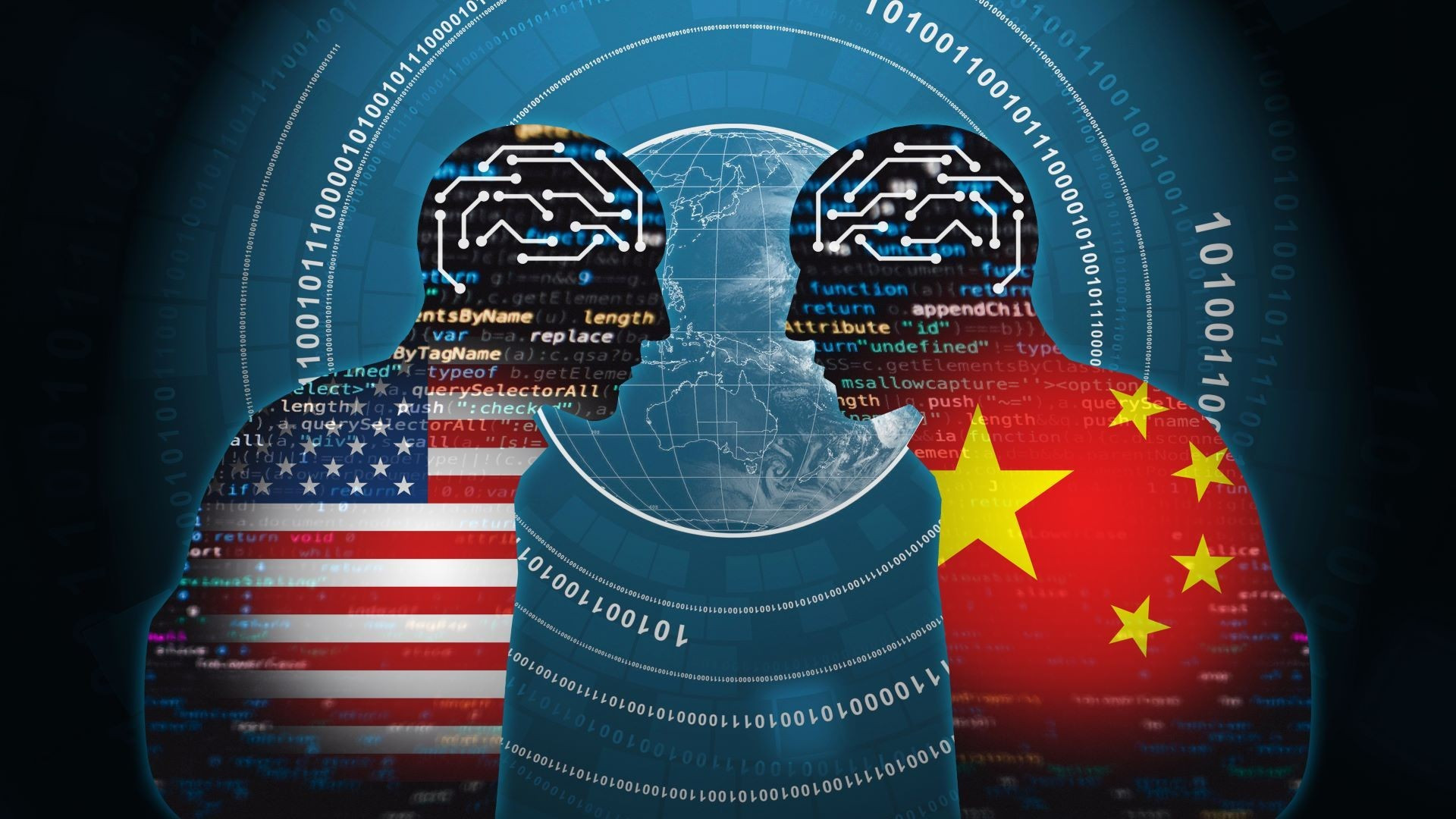
Chinese technology companies such as Alibaba, Baidu, Tencent, and ByteDance launched an aggressive campaign of giveaways and cash incentives around the Lunar New Year to attract users to their AI chatbots and digital services, spending billions of yuan in digital cash prizes, tech devices, and shopping vouchers as traditional subscription-based models lag in that market; although this strategy has succeeded in driving engagement domestically, it raises questions about sustainability and whether similar tactics could challenge U.S. tech dominance if extended internationally, underscoring a distinct approach in China’s hyper-competitive tech landscape.
Sources
https://www.semafor.com/article/02/18/2026/china-puts-tech-freebies-to-the-test-during-lunar-new-year
https://finance.yahoo.com/news/china-puts-tech-freebies-test-180840652.html
https://english.news.cn/20260214/38ff88dffd9649e598be70c3e64d64ad/c.html
Key Takeaways
• Chinese tech companies poured massive cash and prizes into Lunar New Year promotional campaigns, creating a subsidy and giveaway battle to encourage users to adopt AI chatbots and digital platforms.
• This “freebie war” reflects a different strategy from U.S. tech firms’ subscription models, aiming to boost engagement and market share in a domestically competitive environment.
• The focus on giveaways and state-supported subsidies may raise questions about long-term profitability and could have global implications if Chinese companies expand these incentives beyond China.
In-Depth
China’s leading technology companies have taken an unconventional route to driving the adoption of artificial intelligence and digital services by leveraging one of the nation’s biggest cultural moments, the Lunar New Year, as a marketing and user-acquisition bonanza. In stark contrast to American tech firms that typically rely on tiered subscription models and incremental feature rollouts, Chinese giants like Alibaba, Baidu, Tencent, and ByteDance have opened their wallets wide, offering an array of freebies that range from cash incentives and shopping vouchers to cutting-edge gadgets, including drones, electric vehicles, humanoid robots, and other high-tech gear. This blitz of giveaways is not a one-off stunt: it reflects a broader trend of subsidy battles among firms eager to gain a foothold in the AI arena by boosting user engagement through sheer volume of incentives rather than traditional product monetization strategies.
As reported, companies will collectively spend billions of yuan on cash prizes and digital handouts tied to their chatbots and platforms, which draws heavily on cultural norms around gifting during the New Year celebration. This strategy resonates domestically because it aligns with existing habits of exchange and celebration, but it also signals a departure from profit-first thinking; the primary objective here is to build scale and familiarity with AI tools among Chinese consumers. The use of state-backed subsidies and aggressive promotions has already contributed to inflationary and competitive pricing pressures in other sectors like food delivery and retail, and in the tech sphere it underscores how companies are willing to eat into margins to lock in users.
While these tactics have driven significant short-term engagement within China, skeptics raise concerns about their sustainability and cost effectiveness. Offering tens or hundreds of millions of yuan in cash prizes and millions of dollars’ worth of devices in exchange for downloads and usage does not guarantee long-term loyalty or revenue. Analysts note that Chinese consumers are accustomed to free incentives, and converting that into paid subscriptions or profitable service usage remains an unresolved challenge. There is also the question of whether this domestic subsidy war could spill over into international markets, potentially heightening competition with U.S. AI firms that do not typically employ such lavish incentive strategies. If Chinese companies choose to bring similar giveaways to consumers in the United States or elsewhere, it could shift the competitive landscape and pressure Western tech companies to rethink how they attract and retain users. Ultimately, China’s freebie-driven push during the Lunar New Year highlights both the distinct cultural context of its tech market and the broader strategic calculations making this a fascinating development in the global battle for AI dominance.