

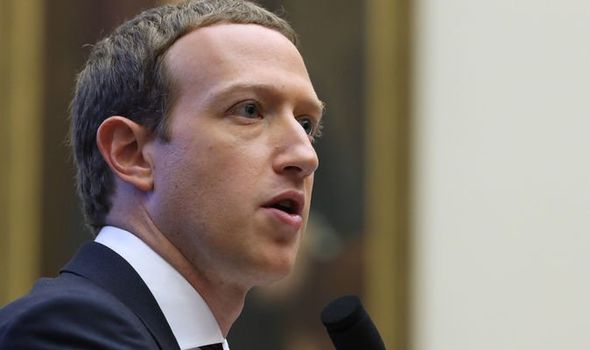
Meta CEO Mark Zuckerberg took the stand in a high-profile Los Angeles courtroom this week as part of an unprecedented jury trial over whether Meta’s social media platforms, particularly Instagram, were intentionally designed to addict and harm teenagers and younger children. Lawyers for the plaintiff presented internal documents suggesting that Meta once set goals to increase user time on apps and that millions of under-13s were on Instagram despite age restrictions, while questioning Zuckerberg on issues like beauty filters and age verification. Zuckerberg denied that the platforms target kids or are deliberately addictive, said age verification is challenging, and largely stuck to past talking points about product value and improvements. The case, involving claims that social networks contribute to youth mental health issues, follows broader scrutiny of social media harms and could influence future legislation, potentially reshaping how tech companies are held accountable for the impact of their products on children’s well-being.
Sources
https://techcrunch.com/2026/02/19/zuckerberg-grilled-in-court-over-social-media-harms-on-teens/
https://www.reuters.com/sustainability/society-equity/metas-zuckerberg-faces-questioning-youth-addiction-trial-2026-02-18/
https://abcnews.com/Business/mark-zuckerberg-set-stand-landmark-trial-social-media/story?id=130245278
Key Takeaways
• Mark Zuckerberg testified in a landmark trial over allegations that Instagram and other Meta platforms were designed in ways that harm teenage users.
• Internal documents presented by plaintiffs allegedly contradict Meta’s public claims about usage goals and the prevalence of under-age users.
• The outcome could influence future tech regulation and legal responsibility for social media platforms’ impact on youth mental health.
In-Depth
Meta Platforms CEO Mark Zuckerberg’s testimony in the Los Angeles County Superior Court marks a pivotal moment in the ongoing battle over social media’s influence on younger generations. In a much-anticipated appearance before a jury, Zuckerberg faced pointed questions from attorneys representing a plaintiff who claims that Instagram and other social networks played a significant role in cultivating addictive behaviors and damaging mental health outcomes among children and teens. This lawsuit is part of a broader wave of legal actions aiming to hold Big Tech accountable, and it pits long-standing corporate defenses against rising public and legal pressure for greater oversight and transparency.
During his testimony, Zuckerberg was pressed on internal Meta documents suggesting that the company once pursued strategies aimed at increasing daily user engagement, including among younger audiences. Opposing counsel cited evidence that millions of children under age 13 had active Instagram accounts despite stated age restrictions, and questioned Zuckerberg about the existence of internal goals related to time spent on the platform. Zuckerberg responded by emphasizing the challenges of age verification in a digital environment and reiterated that Meta’s public statements about its policies reflect genuine efforts to limit under-age involvement. He maintained that product usefulness, not addiction, drives engagement, and underscored Meta’s commitment to continuous improvement in safety features.
The trial also touched on features like beauty filters and design elements that critics argue disproportionately appeal to vulnerable youth, shape perceptions, and exacerbate issues such as body image concerns. Plaintiffs framed these elements as part of an ecosystem that favors compulsive use, while Meta defended its decisions by citing the value these features provide to users and contesting direct causal links to mental health problems. Amid this back-and-forth, Zuckerberg’s testimony underscored the tension between Silicon Valley’s standard defenses and the increasingly skeptical scrutiny of how social media products are designed and marketed.
Beyond the courtroom drama, this trial carries broader implications for the tech industry. If jurors conclude that social media companies bear responsibility for harm to children, the case could open the door to significant regulatory changes, reshape legal standards for digital products, and inspire additional litigation. Lawmakers and advocacy groups on both sides of the political spectrum have been grappling with how to balance concerns about youth welfare with free speech and innovation, and the outcomes here could influence future legislation aimed at protecting minors online. In any scenario, the trial reflects a shifting landscape in which society is demanding clearer accountability from platforms that have become central to social and cultural life, especially for younger users navigating formative years in a digital world.