

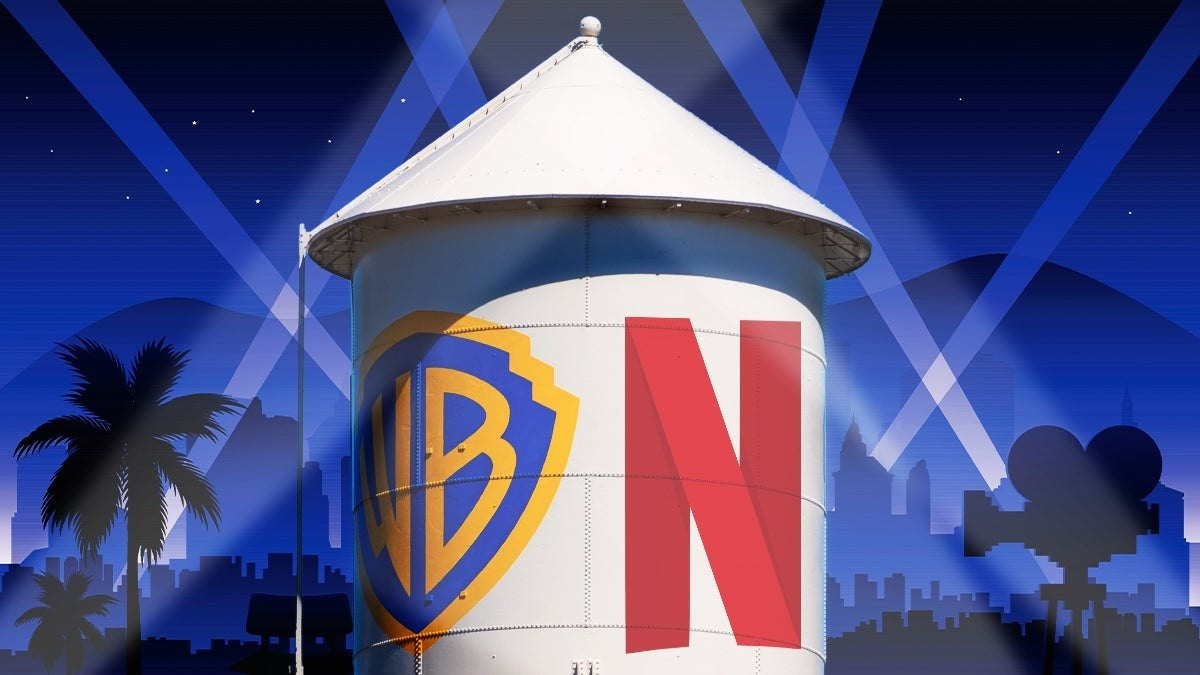
The U.S. Department of Justice has launched a formal antitrust investigation into Netflix’s proposed multi-billion-dollar acquisition of Warner Bros. Discovery’s core studio and streaming assets, issuing civil investigative demands to examine whether the deal would substantially lessen competition or create monopoly power in violation of federal antitrust statutes. Sources reporting on the probe indicate the DOJ is not only reviewing standard merger considerations but also probing Netflix’s broader business practices and power in negotiations with content creators as part of its assessment. The investigation stands to extend the timeline for regulatory approval, potentially complicating Netflix’s bid amid competing offers, heightened political scrutiny from lawmakers and broader industry concerns over media consolidation in the entertainment sector. netflix-warner-antitrust-probe https://www.thewrap.com/industry-news/public-policy-legal/justice-department-antitrust-investigation-netflix-warner-bros-discovery/ https://www.reuters.com/business/media-telecom/justice-department-casts-wide-net-netflixs-business-practices-merger-probe-wsj-2026-02-06/ https://www.barchart.com/story/news/366323/netflix-investors-breathe-sigh-of-relief-83-billion-wbd-deal-in-doj-crosshairs
Sources
https://www.thewrap.com/industry-news/public-policy-legal/justice-department-antitrust-investigation-netflix-warner-bros-discovery/
https://www.reuters.com/business/media-telecom/justice-department-casts-wide-net-netflixs-business-practices-merger-probe-wsj-2026-02-06/
https://www.barchart.com/story/news/366323/netflix-investors-breathe-sigh-of-relief-83-billion-wbd-deal-in-doj-crosshairs
Key Takeaways
• The Department of Justice has formally expanded its review of Netflix’s Warner Bros. Discovery acquisition to include antitrust investigation beyond routine merger review.
• Regulators are examining not just market concentration effects but also Netflix’s leverage over independent content creators and industry competition.
• The investigation adds risk and delay to the deal amid rival bids, political scrutiny, and broader concerns about media consolidation.
In-Depth
The Justice Department’s antitrust inquiry into Netflix’s proposed takeover of Warner Bros. Discovery represents a significant development in regulatory oversight of media consolidation in the United States. At a minimum, what typically might be a procedural review of a large merger has evolved into a broader, ongoing examination of competitive impacts and market dynamics. The DOJ’s issuance of civil investigative demands signals that federal antitrust enforcers are actively seeking detailed information from third parties and participants in the broader entertainment ecosystem as they assess whether the proposed acquisition could erode competition in film, television and streaming services.
Netflix’s offer to acquire Warner Bros. Discovery — including its storied film and television studios, as well as the HBO and HBO Max streaming platforms — already stood as one of the most consequential media deals in recent memory. But in an era of heightened scrutiny of large corporate combinations, the Justice Department is going beyond routine documentation requests to question whether the company’s sheer size and market position might confer undue leverage over not just rival streaming platforms but also on the creators and distributors of content. This phase of the investigation reflects concerns that extend beyond standard competitive metrics and into whether Netflix’s expanded scale might disadvantage independent filmmakers and content producers in future negotiations.
This deeper level of scrutiny comes at a politically charged moment. Lawmakers on Capitol Hill have grilled Netflix executives about issues ranging from competition to cultural influence, and both sides of the political aisle have flagged antitrust risks tied to vertical and horizontal concentration of media assets. The timing of the DOJ’s more expansive investigation adds uncertainty to the timeline for closing the deal and could open the door for rival bidders — such as Paramount Skydance, which has also pursued Warner Bros. Discovery and lobbied for expedited regulatory review of its own proposal — to gain traction if Netflix’s progress stalls.
Investors and industry analysts are watching closely, given the potential implications for sector valuations and the strategic landscape of entertainment. The probe’s expansion has already impacted market reactions, with Netflix stock experiencing volatility. Meanwhile, regulators in Europe and other jurisdictions could align or pursue parallel reviews, further complicating the path to clearance. Overall, the DOJ’s move underscores a broader skepticism within regulatory ranks toward mega-deals that reshape competitive dynamics in industries central to American culture and creative production.
The outcome of this investigation will have implications well beyond a single transaction. Should the Justice Department determine that the acquisition does pose competitive harms, it could impose conditions, delay the deal further, or in a more extreme scenario, block the merger altogether. Even in the absence of a block, regulatory hurdles and negotiated remedies could fundamentally change the contours of the deal that Netflix and Warner Bros. Discovery initially proposed. At the same time, proponents of the acquisition argue that Netflix operates in a highly contested market with traditional studios, cable networks, and tech platforms all vying for viewers, suggesting that the acquisition would enhance rather than diminish competition. With so much at stake, the DOJ’s investigation represents a pivotal moment for the streaming wars and the future of media consolidation.