

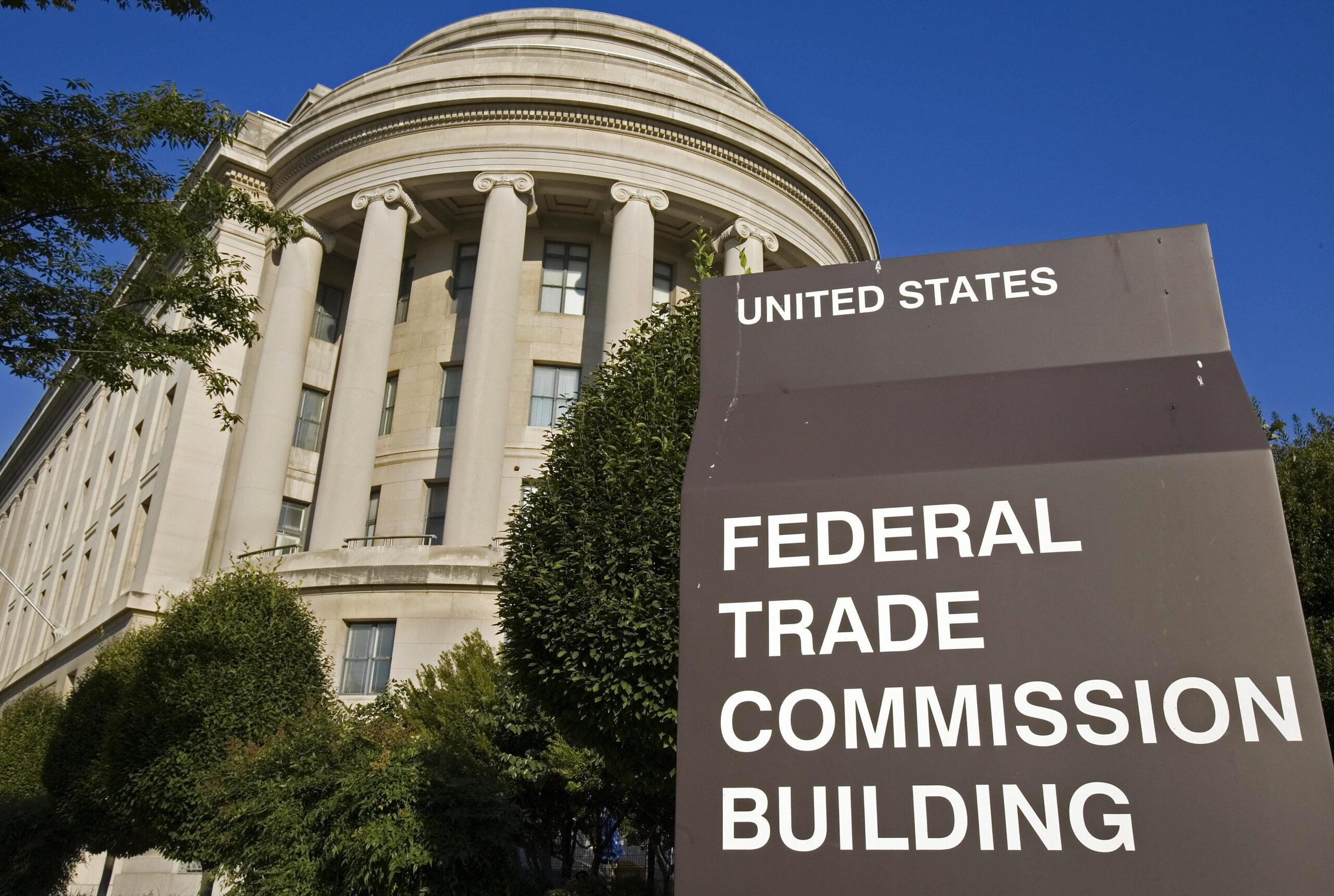
A sweeping federal enforcement action has resulted in major global advertising firms agreeing to settlement terms with regulators after accusations they coordinated efforts to steer advertising dollars away from certain media platforms based on political content, raising serious concerns about collusion, market distortion, and viewpoint discrimination. Authorities alleged that firms including WPP, Publicis, and Dentsu worked in tandem—often through industry groups and “brand safety” standards—to restrict ad placements on platforms deemed politically controversial, including those hosting conservative viewpoints. The settlement, which still requires court approval, compels the firms to halt coordinated practices that could suppress lawful content and distort competition, while also mandating compliance oversight and ongoing reporting. Though the companies deny wrongdoing, regulators argue the conduct undermined both the free market and the broader exchange of ideas, signaling a more aggressive posture toward perceived ideological gatekeeping in the digital advertising ecosystem.
Sources
https://www.reuters.com/legal/litigation/big-ad-agencies-settle-us-ftc-probe-into-alleged-boycott-over-political-content-2026-04-15/
https://www.wsj.com/business/media/ftc-ad-companies-agree-to-settlement-terms-in-boycott-probe-f1962690
https://www.theverge.com/policy/912680/ftc-ad-agency-settlement-trust-safety
Key Takeaways
- Federal regulators concluded that coordinated “brand safety” standards may have crossed into anticompetitive collusion, particularly when applied to political content decisions.
- The settlement prohibits joint actions that restrict advertising based on ideological considerations, reinforcing the principle that market access should not be collectively manipulated.
- The case signals a broader shift toward scrutinizing how private-sector alliances influence public discourse through financial pressure rather than direct censorship.
In-Depth
What’s unfolding here is more than a technical antitrust case—it’s a revealing look at how economic power can quietly shape the boundaries of public discourse. The federal government’s action against major advertising firms centers on a simple but consequential allegation: that these companies did not merely act independently in deciding where ads should or should not appear, but instead coordinated those decisions in ways that effectively sidelined certain platforms based on political considerations. That distinction—between independent judgment and collective enforcement—lies at the heart of antitrust law, and regulators are making clear they believe the line was crossed.
The firms involved leaned heavily on the concept of “brand safety,” a term that on its face sounds reasonable. Advertisers naturally want to avoid being associated with harmful or offensive content. But when those standards are developed and enforced collectively across an industry, and when they disproportionately impact certain viewpoints, regulators argue the practice begins to resemble a de facto blacklist. The concern is not just economic harm to specific platforms, but the broader implication that a handful of powerful intermediaries can indirectly decide which voices are financially viable online.
What makes this case particularly significant is the government’s framing. Rather than focusing solely on traditional price-fixing or market allocation, the enforcement effort extends into the realm of information flow. Regulators explicitly tied the alleged conduct to harm in the “marketplace of ideas,” suggesting that antitrust law is being applied not just to protect competition in commerce, but to guard against coordinated influence over speech through financial mechanisms.
The settlement itself stops short of admitting wrongdoing, which is standard in these kinds of agreements, but its terms are telling. By prohibiting coordinated ad placement decisions based on political or ideological content, the government is drawing a bright line: individual companies may choose where to advertise, but they cannot band together to impose those choices across the market. That distinction preserves autonomy while preventing collective pressure campaigns that could marginalize disfavored viewpoints.
Stepping back, this case reflects a growing recognition that control over advertising dollars is, in many ways, control over visibility. In a digital ecosystem where revenue determines survival, cutting off ad access can be as effective as direct censorship. Whether one agrees with the motivations behind “brand safety” initiatives or not, the enforcement action underscores a broader principle—market power, when coordinated, should not be used to quietly narrow the range of acceptable discourse.