

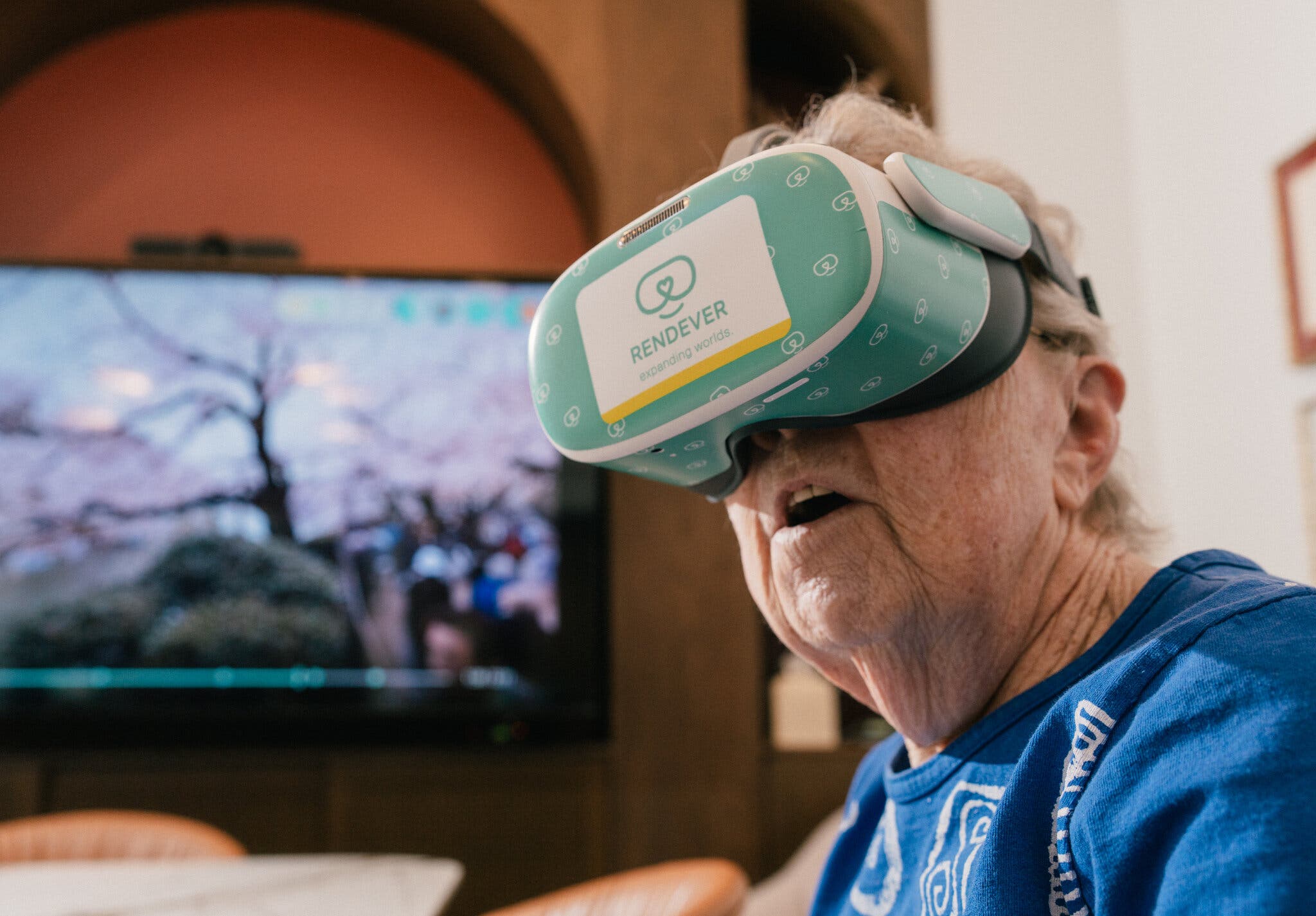
A growing push to integrate virtual reality into senior living environments is being framed as a technological answer to one of the most persistent problems in modern aging—social isolation—offering immersive experiences that allow elderly individuals to travel, socialize, and reconnect with memories despite physical limitations, while also prompting legitimate concerns about whether such tools enhance or ultimately replace real human interaction in already fragmented social structures.
Sources
https://indianexpress.com/article/technology/tech-news-technology/how-older-adults-are-using-virtual-reality-to-counter-social-isolation-10640179/
https://apnews.com/article/virtual-reality-senior-living-social-isolation-b20dc156f4aa0735d7f0cc7558de9bfc
https://www.businessinsider.com/aging-vr-retirement-ai-age-tech-mynd-immersive-nursing-homes-2026-4
Key Takeaways
- Virtual reality is increasingly being used in senior living environments to reduce loneliness by enabling immersive travel, shared experiences, and social engagement.
- Early research and pilot programs suggest measurable improvements in mood, cognitive stimulation, and social interaction among older adults using VR technology.
- Concerns remain that reliance on virtual experiences could displace real-world relationships if not implemented carefully and with human oversight.
In-Depth
The rise of virtual reality as a tool in elder care reflects a broader shift toward technological solutions for deeply human problems. As traditional family structures weaken and mobility declines with age, many seniors find themselves isolated, often cut off from the social interactions that once defined their daily lives. Into that gap steps VR—an innovation that, at least on the surface, offers something close to a workaround for physical limitation. Instead of traveling, users can be transported digitally. Instead of gathering in person, they can share experiences in simulated environments.
Programs now in use across senior living facilities allow residents to revisit childhood neighborhoods, explore foreign cities, or even participate in group activities within virtual spaces. These experiences are not purely recreational; they are designed with therapeutic intent. Studies and early deployments indicate that such immersion can trigger memory recall, stimulate conversation, and improve mood—factors that are critical in maintaining cognitive health and emotional stability in older populations.
Still, there is a tension that cannot be ignored. While proponents argue that VR expands possibilities for engagement, critics caution against mistaking simulation for connection. Technology can supplement human interaction, but it cannot replicate its depth or replace its necessity. Without careful implementation, there is a risk that institutions may lean too heavily on digital substitutes rather than investing in real-world community and caregiving.
What emerges is a nuanced picture: virtual reality is neither a cure-all nor a gimmick. It is a tool—one that, when used responsibly, can enhance quality of life, but when misused, could deepen the very isolation it aims to solve.