

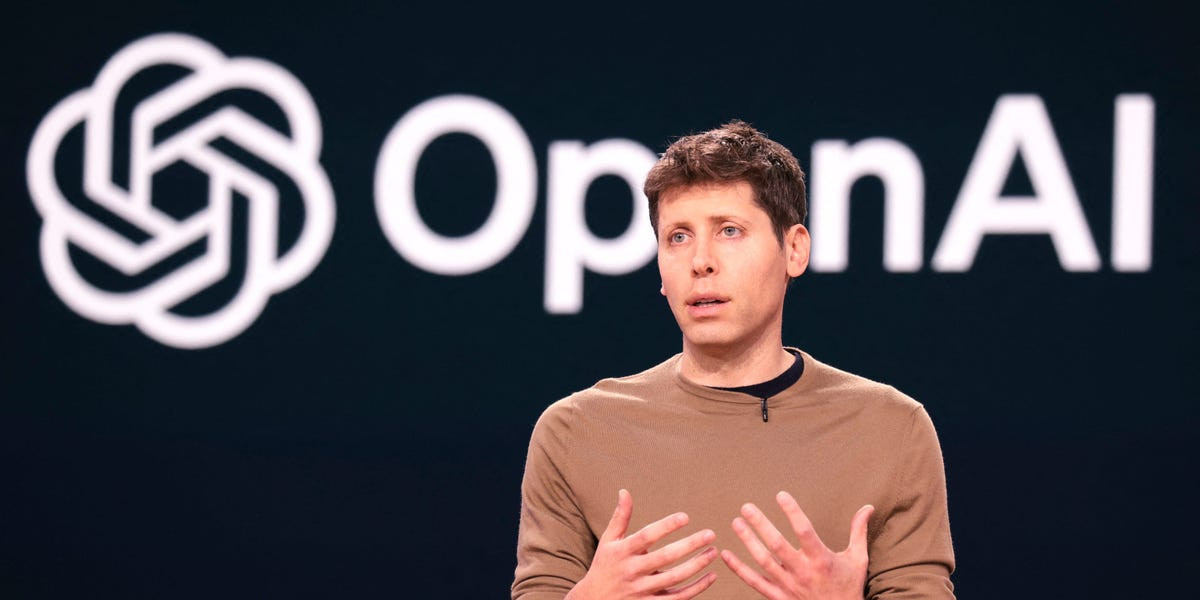
Authorities say a man arrested for attempting to attack the home of Sam Altman was carrying a list of additional artificial intelligence executives, suggesting a wider and more deliberate focus on leaders shaping the rapidly expanding AI industry. Investigators indicate the suspect’s actions were not random but part of a broader fixation on the perceived influence and risks associated with artificial intelligence development. Law enforcement officials have not publicly detailed all individuals named on the list, but the discovery has prompted increased security measures among top technology executives and renewed scrutiny of the growing cultural and political tensions surrounding AI innovation. The incident underscores a developing pattern in which high-profile figures in emerging technologies are becoming focal points for both ideological opposition and personal grievance, raising questions about how the industry and government should respond to escalating threats tied to technological disruption.
Sources
https://www.nytimes.com/2026/04/13/technology/man-who-attacked-openai-ceos-home-had-list-of-other-ai-executives.html
https://apnews.com/article/ai-executive-threats-security-openai-altman-attack-2026
https://www.reuters.com/technology/security-concerns-rise-after-attack-openai-ceo-home-2026-04-14/
https://www.wsj.com/tech/ai/security-threats-targeting-tech-leaders-2026-04-15
Key Takeaways
- The suspect’s possession of a broader target list signals that hostility toward AI leadership may be organized or ideologically driven rather than isolated.
- Rising prominence of artificial intelligence has elevated executives into public figures increasingly exposed to personal security risks.
- The incident is accelerating conversations about balancing innovation, public concern, and protective measures for individuals driving disruptive technologies.
In-Depth
The attempted attack on a leading artificial intelligence executive’s residence marks a turning point in how society is beginning to grapple with the real-world consequences of rapid technological change. What might once have been limited to online criticism or policy debate is now bleeding into physical security concerns, particularly for those at the forefront of AI development. The discovery that the suspect maintained a list of additional targets suggests a level of premeditation and ideological motivation that goes beyond personal grievance, hinting at a broader unease with the pace and direction of artificial intelligence.
This development reflects a deeper tension in the public sphere. On one hand, artificial intelligence is widely recognized as a driver of economic growth, national competitiveness, and innovation. On the other, it has become a lightning rod for fears about job displacement, surveillance, and loss of human control. When those anxieties are not addressed constructively, they risk manifesting in more dangerous ways, as seen in this case.
For industry leaders, the implications are immediate and practical. Security protocols that were once sufficient may no longer be adequate in an environment where executives are not only business figures but symbolic representatives of transformative—and controversial—change. At the same time, policymakers face the challenge of ensuring that legitimate public concerns about AI are acknowledged without allowing fear to devolve into hostility.
Ultimately, this incident serves as a stark reminder that technological progress does not occur in a vacuum. It unfolds within a social and political landscape that can amplify both its promise and its peril, demanding a measured and responsible response from all sides.