

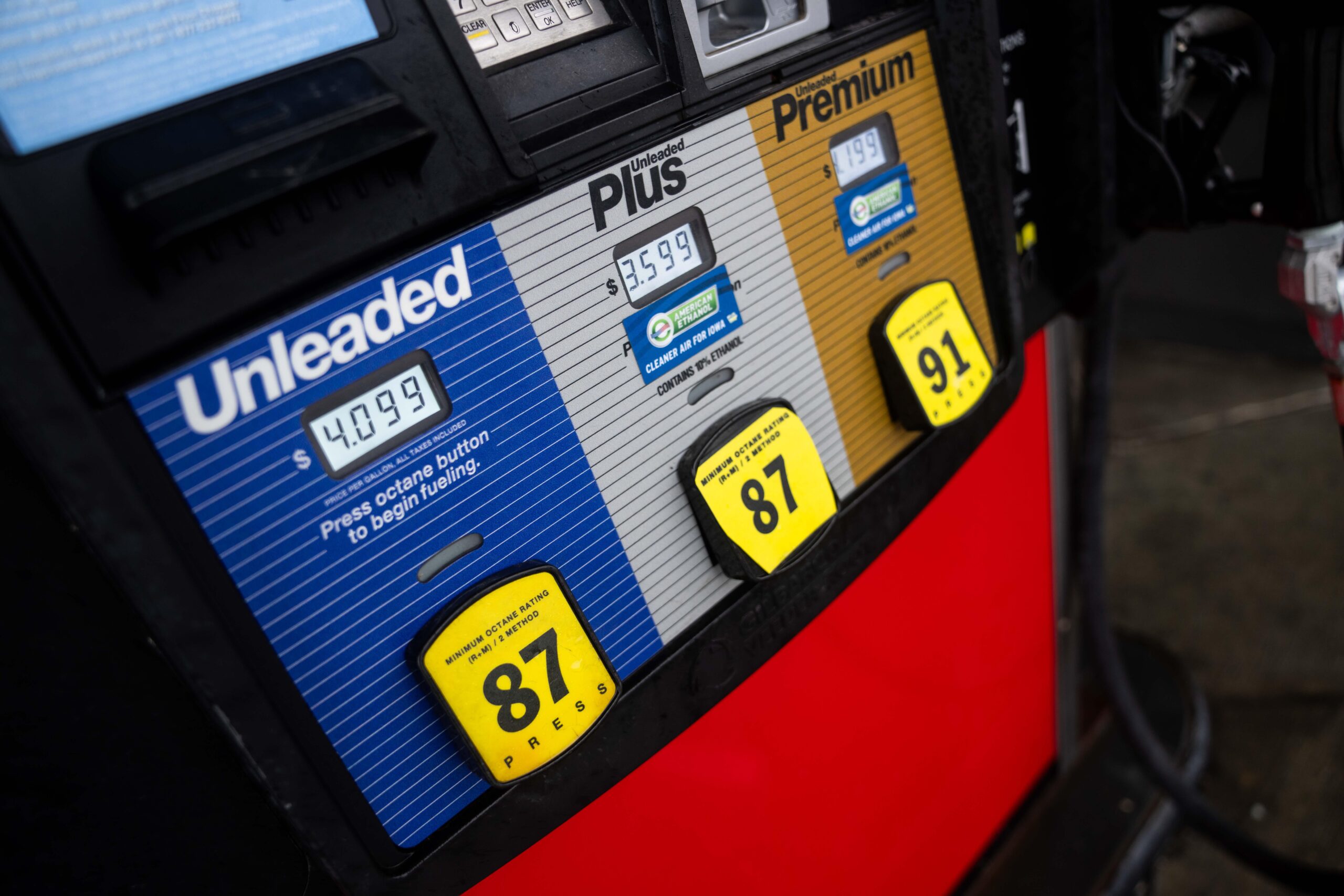
California’s persistently high gasoline prices are squeezing rideshare drivers to the point where many are cutting back hours or leaving platforms altogether, raising concerns about reduced driver availability and higher costs for consumers, as the economic pressure exposes structural weaknesses in the gig economy model that relies on independent contractors absorbing rising operational expenses without meaningful offset from the companies they serve.
Sources
https://www.latimes.com/business/story/2026-04-18/californias-gas-prices-push-uber-lyft-drivers-off-road
https://www.cnbc.com/2026/04/17/gas-prices-impact-gig-economy-drivers-uber-lyft.html
https://www.reuters.com/business/autos-transportation/high-fuel-costs-pressure-rideshare-drivers-us-2026-04-16/
Key Takeaways
- Rising fuel costs are disproportionately impacting rideshare drivers, many of whom operate on thin margins and lack employer-backed protections.
- Reduced driver participation is likely to tighten supply, potentially increasing ride costs and wait times for consumers.
- The situation highlights deeper vulnerabilities in gig economy labor structures, where companies shift operational risks onto independent contractors.
In-Depth
The economic strain facing rideshare drivers in California is not an isolated inconvenience—it’s a predictable outcome of policy decisions, market structures, and corporate strategies converging in a way that places the burden squarely on the individual worker. With gasoline prices in California consistently ranking among the highest in the nation, drivers for platforms like Uber and Lyft are finding that what was once a flexible income opportunity is becoming increasingly unsustainable.
Unlike traditional employees, these drivers are responsible for all operating expenses, including fuel, maintenance, and vehicle depreciation. When fuel costs spike, there is no built-in mechanism ensuring that compensation rises proportionally. While rideshare companies have occasionally introduced temporary fuel surcharges, these measures often fall short of fully offsetting the increased expenses. The result is a slow but steady erosion of driver profitability.
Many drivers are responding rationally: they are driving less, becoming more selective with trips, or exiting the platforms altogether. This contraction in driver supply has broader implications. Fewer drivers mean longer wait times and potentially higher fares for consumers, undermining the convenience that made rideshare services attractive in the first place.
At the same time, the situation underscores a structural imbalance within the gig economy. Companies maintain flexibility and scalability by classifying drivers as independent contractors, but this classification also shifts nearly all financial risk onto those drivers. When external costs—like fuel—rise sharply, the system offers little resilience for the workforce that keeps it running.
From a broader economic perspective, this is a case study in how regulatory environments, energy policy, and labor classification intersect. California’s aggressive environmental policies contribute to higher fuel costs, while labor rules stop short of redefining the contractor relationship in a way that would provide more stability. The outcome is a labor force caught in the middle, absorbing the downside of both systems.
If current trends continue, the rideshare model in high-cost states may face a fundamental recalibration. Either compensation structures will need to evolve to reflect real operating costs, or the availability and affordability of rideshare services will continue to decline, forcing consumers and policymakers alike to confront the trade-offs embedded in the current system.