

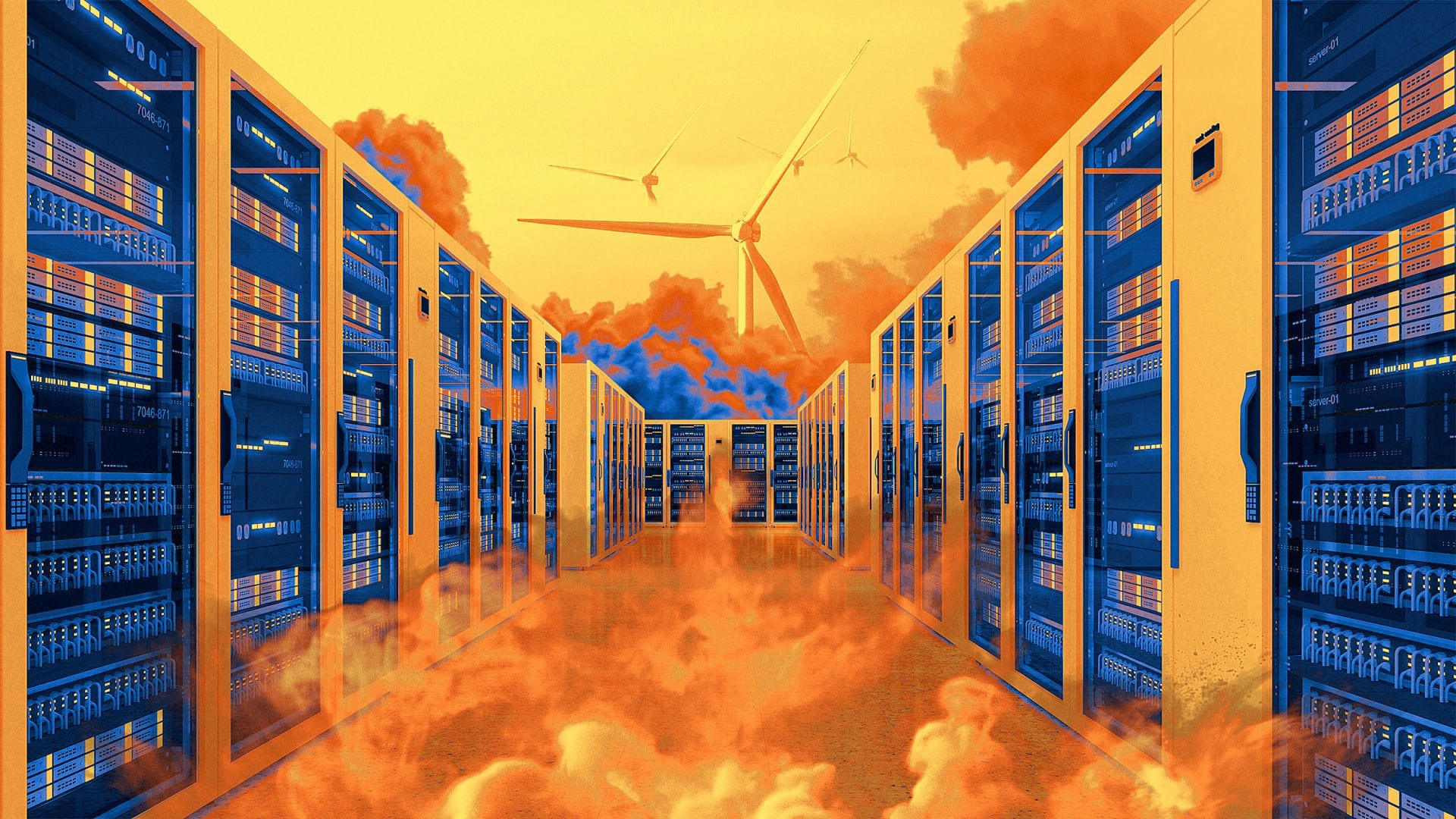
A recent CNET feature explores how the rapid expansion of AI-powered data centers is placing increasing demands on land, water, and electricity—raising alarm across environmental, infrastructure, and local community contexts. These sprawling facilities require vast tracts of land, massive fresh water for cooling, and escalating electricity that often leans on fossil fuels, spotlighting a growing tension between technology advancement and resource sustainability.
Sources: CNet, IEA.org, EESI.org
Key Takeaways
– Data centers—even before accounting for AI—already guzzle up to 5 million gallons of fresh water per day, enough to supply tens of thousands of residents, and AI demand is piling on, amplifying this strain significantly.
– Electricity consumption by data centers is projected to more than double by 2030, with AI-driven demand expected to push power requirements past those of entire countries like Japan.
– The rapid expansion of AI infrastructure is pressing on both local resources and national energy systems, underscoring the need for smarter policies, sustainable planning, and better alignment between tech growth and resource capacity.
In-Depth
AI’s meteoric rise isn’t just reshaping the digital landscape—it’s quietly redrawing the blueprint for critical resources like land, water, and power.
Data centers, the backbone of AI operations, stretch across acres of prime land and rely on enormous cooling systems that guzzle fresh water—often several million gallons a day. That amounts to the daily water usage of small towns and turns resource scarcity into a real, local issue. At the same time, electricity demand from these facilities is poised to more than double by 2030, pushing some of the country’s energy grids close to capacity and outstripping demand from entire industries like steel, cement, and chemicals.
The situation presents a challenging balancing act: fueling innovation while responsibly managing vital resources. Smart infrastructure planning, updated regulations, and transparency from tech firms are essential to keep AI from undermining environmental and public well-being. Because this isn’t just about more servers—it’s about more sustainability.