

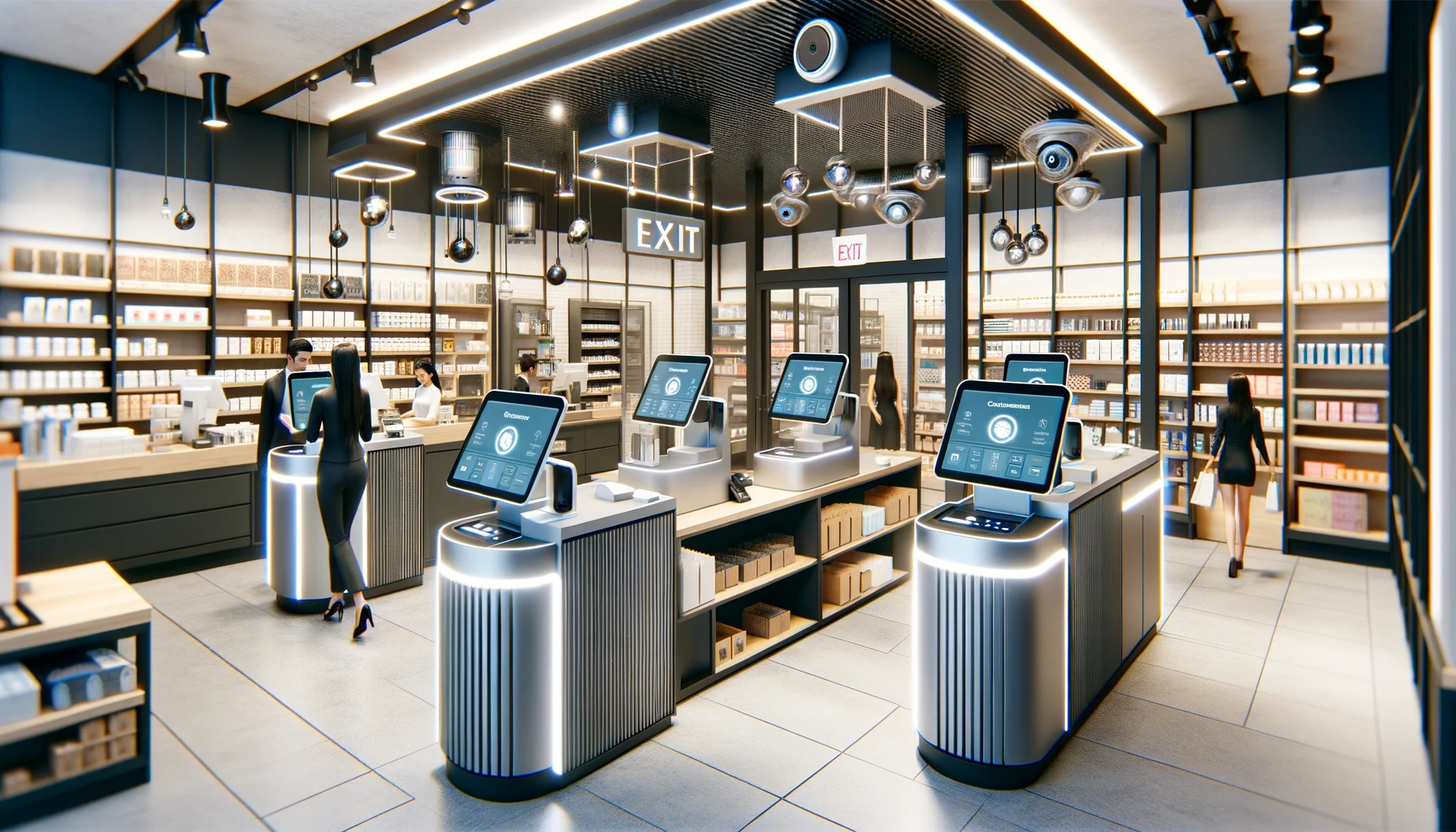
American consumers are increasingly concerned about the expanding use of artificial intelligence to determine retail prices, raising questions about fairness, privacy, and corporate transparency. Major retailers are introducing digital shelf labels, algorithm-driven pricing systems, and technology capable of adjusting prices according to consumer behavior, market demand, and personal information. Although companies maintain that these innovations improve efficiency and do not necessarily increase prices, critics warn that personalized pricing could allow businesses to charge different customers different amounts for identical products. Federal regulators and state lawmakers are examining the practice, with several states restricting certain uses of consumer data in pricing decisions. The controversy highlights a growing conflict between technological innovation and Americans’ expectation that businesses should compete openly, disclose their pricing practices, and respect consumers’ privacy.
Key Takeaways
• Consumer privacy is increasingly at risk: AI-assisted pricing technology can use browsing histories, locations, purchasing patterns, and other personal information to estimate what individual shoppers might be willing to pay.
• Digital pricing does not automatically mean higher prices: Electronic shelf labels primarily simplify price updates, while dynamic pricing can produce increases or decreases. Personalized pricing raises separate concerns about fairness and disclosure.
• Government scrutiny is intensifying: Federal regulators are examining potentially deceptive personalized pricing practices, while lawmakers in numerous states are considering or implementing restrictions to protect consumers.
In-Depth
Artificial intelligence is transforming American retail, but its growing influence over everyday prices is raising legitimate questions about whether consumers are being treated fairly. As grocery chains and major retailers introduce sophisticated pricing technologies, shoppers increasingly face the possibility that the price they encounter may reflect more than ordinary supply, demand, and competition.
Digital shelf labels are among the most visible changes. These electronic displays allow retailers to update prices without manually replacing paper tags, potentially reducing labor costs and improving accuracy. Companies insist that the technology is primarily an efficiency measure, and available research does not establish that electronic labels routinely produce grocery-store surge pricing.
The more consequential development involves algorithms capable of analyzing consumer information to determine individualized prices or discounts. Shopping histories, geographic locations, browsing activity, and other personal characteristics can help businesses estimate what customers might pay. Such practices raise concerns about whether consumers are receiving equal opportunities to comparison-shop or are unknowingly being charged according to their perceived purchasing power.
Federal regulators have already identified extensive data collection within the personalized-pricing industry. Their proposed enforcement approach emphasizes that businesses may violate consumer protection laws when they fail to disclose how personal information influences prices. Congressional investigators are also examining whether existing protections adequately address these emerging practices.
The distinction between legitimate market pricing and potentially deceptive surveillance pricing is essential. Businesses should remain free to adjust prices according to inventory, competition, and changing demand. However, using undisclosed personal information to extract higher payments from individual consumers threatens the transparency upon which competitive markets depend.
The appropriate response is not to discourage innovation through sweeping government intervention. It is to demand clear disclosures, enforce existing prohibitions against deception, and preserve meaningful consumer choice. Artificial intelligence should strengthen competition and deliver better value, not provide corporations with increasingly sophisticated methods of exploiting customers who cannot see how their prices are determined.