

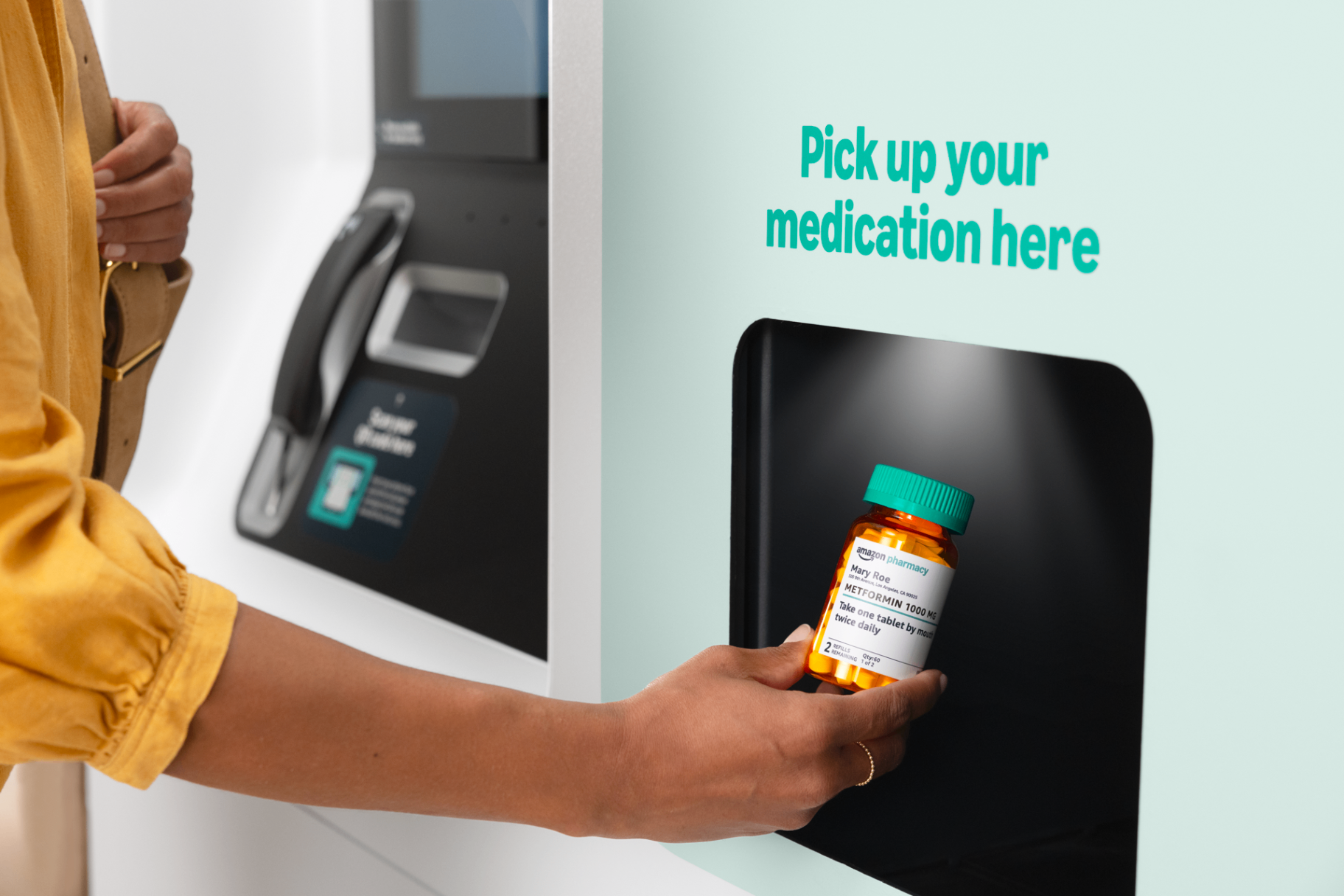
Amazon Pharmacy is rolling out in-office vending machines at One Medical clinics beginning December 2025 in Los Angeles, allowing patients to pick up common prescriptions like antibiotics, inhalers, and blood pressure meds immediately after their appointments. The machines will exclude refrigerated drugs and controlled substances. Patients will pay via the Amazon app and receive a QR code to retrieve medications from the kiosks, with virtual pharmacist consultations available if needed. Amazon says this move is intended to reduce unfilled prescriptions caused by the extra trip to a pharmacy, and the company plans to expand the kiosks nationally in 2026.
Key Takeaways
– Amazon’s in-office prescription kiosks aim to close the gap between diagnosis and medication pickup by delivering drugs at the point of care.
– The initial rollout excludes controlled and temperature-sensitive medications, focusing on commonly prescribed drugs.
– Expansion beyond Los Angeles is slated for 2026, potentially transforming how retail pharmacies compete.
In-Depth
Amazon’s latest push into healthcare manifests in a bold experiment: prescription vending machines inside primary care offices. By embedding pharmacy dispensing directly into One Medical clinics, the company is striving to remove a key friction point—having patients make a separate stop to pick up their medications. In the traditional model, after seeing a physician, a patient must travel to a pharmacy, wait, and pay; that detour is one of the reasons some prescriptions go unfilled. Amazon believes that by shortening this path, adherence rates can improve.
The service launches in December 2025, initially in several One Medical locations across Los Angeles. The kiosks will carry a curated inventory of medications—antibiotics, inhalers, hypertension drugs, allergy meds depending on seasonal patterns—but will consciously omit controlled substances (like many painkillers) or drugs requiring refrigeration. Once a provider writes a prescription, the patient can opt for kiosk pickup, pay in the Amazon app, receive a QR code, and retrieve the medication within minutes. If there are questions, the patient can engage a pharmacist via video or phone consultation. This hybrid model blends physical dispensing with remote support.
Amazon’s rationale here is twofold: improving convenience for patients while optimizing logistics and costs for itself. Shipping and delivery of prescriptions can be expensive, especially for lower-value medications. By placing inventory closer to the point of use, Amazon can shrink last-mile costs and reduce the burden on its delivery infrastructure. Additionally, the move further cements Amazon’s vertical integration in healthcare—building on its acquisitions of PillPack (which became Amazon Pharmacy) and One Medical. The arrangement gives Amazon an end-to-end presence: virtual care, clinics, and now in-office dispensing.
That said, challenges and risks abound. The initial rollout is limited in scope and excludes complex medications, which means many prescriptions will still require traditional pharmacy channels. Critics may question whether Amazon’s tight control over dispensing and care introduces conflicts of interest or privacy concerns, especially as Amazon already collects vast data across commerce and health operations. There’s also the regulatory landscape: pharmacy regulation, state licensing, and controlled substance oversight vary by jurisdiction and could complicate scaling.
On the competitive front, this move puts new pressure on traditional pharmacies that rely on foot traffic and prescription volume. If patients increasingly expect “doctor to dispensing” in one location, chains may need to invest in similar in-office models or risk losing share. The success of Amazon’s kiosks may depend on how reliably they operate, how safe and error-free they are, and how smooth the user experience is.
Over time, if Amazon proves it can reliably handle dispensing at scale, the model may ripple outward—clinics, community health centers, employer wellness sites, even workplaces might host prescription kiosks. In that sense, this could be a turning point in how Americans access everyday medications—blurred lines between clinic, pharmacy, and tech platform.