

Close Menu

    Subscribe to Updates

    Get the latest creative news from FooBar about art, design and business.

    What's Hot

    Utah Launches First-Ever AI Prescription Pilot in the U.S., Sparking Debate on Safety and Innovation

    January 13, 2026

    EU Widens Tech Crackdown, Targeting Musk’s Grok and TikTok Over Alleged AI Law Violations

    January 13, 2026

    Malicious Chrome Extensions Compromise 900,000 Users’ AI Chats and Browsing Data

    January 12, 2026
    Facebook X (Twitter) Instagram
    • Tech
    • AI News
    Facebook X (Twitter) Instagram Pinterest VKontakte
    TallwireTallwire
    • Tech

      Malicious Chrome Extensions Compromise 900,000 Users’ AI Chats and Browsing Data

      January 12, 2026

      Wearable Health Tech Could Create Over 1 Million Tons of E-Waste by 2050

      January 12, 2026

      Viral Reddit Food Delivery Fraud Claim Debunked as AI Hoax

      January 12, 2026

      Activist Erases Three White Supremacist Websites onstage at German Cybersecurity Conference

      January 12, 2026

      AI Adoption Leaders Pull Ahead, Leaving Others Behind

      January 11, 2026
    • AI News
    TallwireTallwire
    Home»Tech»AMD Points Finger at Motherboard Makers Following Reports of Burnt-Out Ryzen CPUs
    Tech

    AMD Points Finger at Motherboard Makers Following Reports of Burnt-Out Ryzen CPUs

    Updated:December 25, 20252 Mins Read
    Facebook Twitter Pinterest LinkedIn Tumblr Email
    AMD Points Finger at Motherboard Makers Following Reports of Burnt-Out Ryzen CPUs
    AMD Points Finger at Motherboard Makers Following Reports of Burnt-Out Ryzen CPUs
    Share
    Facebook Twitter LinkedIn Pinterest Email

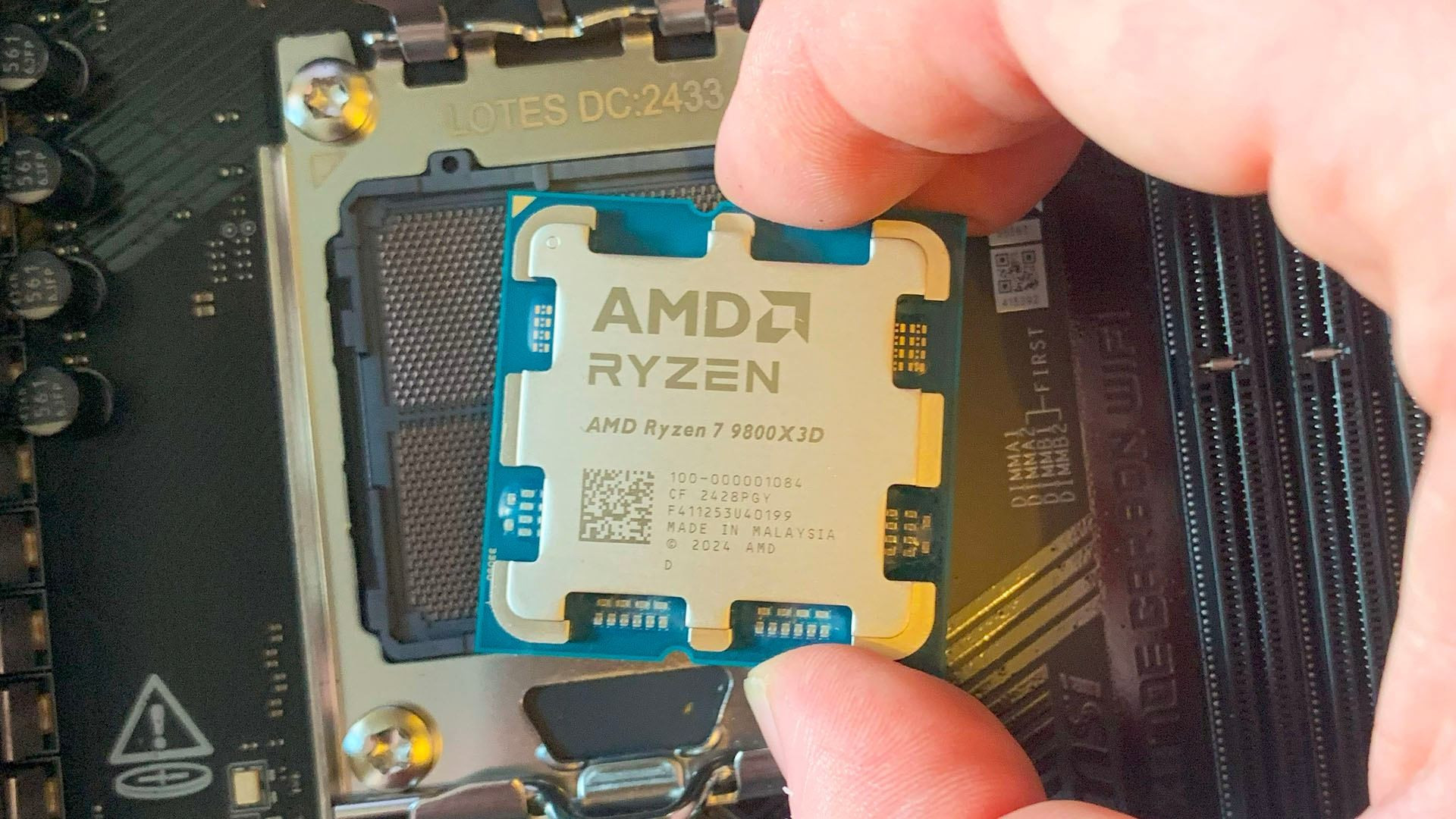
    AMD recently said that a spike in physical CPU socket damage—particularly involving Ryzen X3D processors on ASRock AM5 motherboards—is linked to motherboards using BIOS/UEFI settings that stray from AMD’s recommended voltage and power specifications. The chipmaker stressed that even slight deviations from its guidelines on power delivery and tuning parameters can lead to serious hardware failures, and urged users to update to the latest BIOS while it works closely with partners to resolve the issue. Similar reports were previously documented in Tom’s Hardware, which noted that ASRock’s BIOS version 3.25—adjusting EDC, TDC, and “shadow” voltages—did significantly reduce incident rates. Further corroboration comes from PCWorld, reinforcing that this remains an active concern despite earlier fixes.

    Sources: PC World, Tom’s Hardware, Ground.news

    Key Takeaways

    – Cause pinpointed to BIOS/UEFI tuning deviations — AMD attributes the burnt-out CPU sockets to motherboard vendors not following AMD’s official BIOS parameter guidelines, especially on power limits and voltage tuning (PCWorld; Tom’s Hardware).

    – Mitigation through ASRock’s BIOS update — ASRock’s version 3.25 BIOS, which tweaked EDC, TDC, and “shadow” voltage settings, has significantly lowered the occurrence of failures—though reports persist (Tom’s Hardware).

    – AMD urges BIOS updates and partner collaboration — Despite improvements, AMD emphasizes keeping BIOS current and is actively collaborating with motherboard manufacturers to fully address the issue (PCWorld; Ground News summary of Ars Technica).

    In-Depth

    When hardware trips, fingers fly—and this time, AMD has pointed back at motherboard makers after plenty of Ryzen X3D owners started reporting burnt-out CPU sockets.

    The issue seems especially pronounced on ASRock AM5 boards, where certain BIOS settings apparently exceeded AMD’s carefully crafted power and voltage parameters. AMD officials told QuasarZone that even slight BIOS tuning tweaks—those intended to squeeze out extra performance—can overstress components.

    The flip side of that coin? ASRock pushed a BIOS update (version 3.25) that dialed back several settings like EDC, TDC, and “shadow” voltages, and that smoother power delivery has helped calm the carnage—though a few holdouts still experience failures.

    AMD is urging users to update their BIOS immediately and is working closely with board partners to iron things out. The conservative takeaway here is this: there’s a good reason CPU makers publish BIOS specs—and manufacturers pushing those boundaries can pay a hardware toll.

    As tempting as it is to chase extra performance, staying within manufacturer-approved limits usually prevents drama—and fiery sockets.

    Share. Facebook Twitter Pinterest LinkedIn Tumblr Email
    Previous ArticleAmazon Unveils One-Tap “Add to Delivery” for Prime Orders
    Next Article Android 16’s Wallet Shortcut Lands—But Only for Newer Pixels

    Related Posts

    Malicious Chrome Extensions Compromise 900,000 Users’ AI Chats and Browsing Data

    January 12, 2026

    Wearable Health Tech Could Create Over 1 Million Tons of E-Waste by 2050

    January 12, 2026

    Viral Reddit Food Delivery Fraud Claim Debunked as AI Hoax

    January 12, 2026

    Activist Erases Three White Supremacist Websites onstage at German Cybersecurity Conference

    January 12, 2026
    Add A Comment
    Leave A Reply Cancel Reply

    Editors Picks

    Malicious Chrome Extensions Compromise 900,000 Users’ AI Chats and Browsing Data

    January 12, 2026

    Wearable Health Tech Could Create Over 1 Million Tons of E-Waste by 2050

    January 12, 2026

    Viral Reddit Food Delivery Fraud Claim Debunked as AI Hoax

    January 12, 2026

    Activist Erases Three White Supremacist Websites onstage at German Cybersecurity Conference

    January 12, 2026
    Top Reviews
    Tallwire
    Facebook X (Twitter) Instagram Pinterest YouTube
    • Tech
    • AI News
    © 2026 Tallwire. Optimized by ARMOUR Digital Marketing Agency.

    Type above and press Enter to search. Press Esc to cancel.