

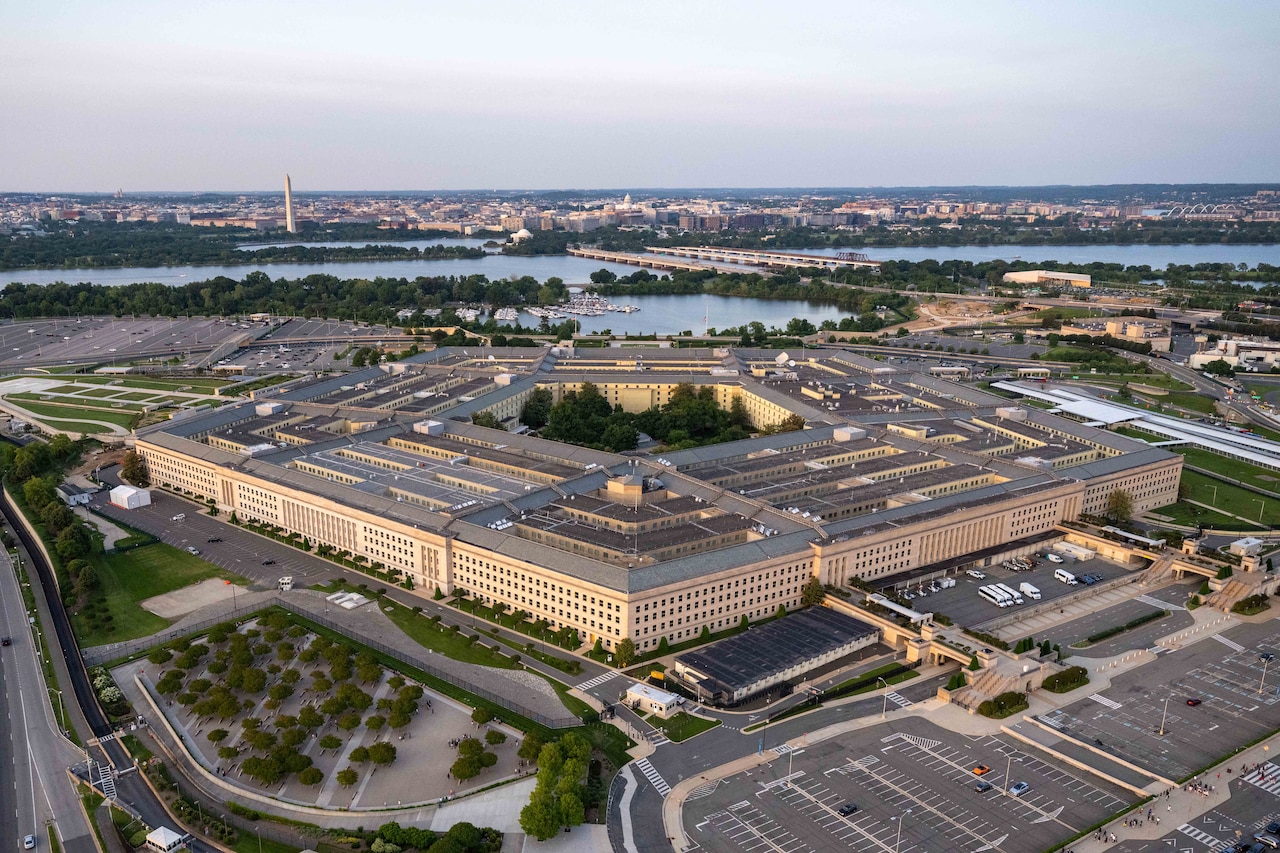
A growing confrontation between the U.S. government and artificial intelligence firm Anthropic has intensified after the company said it has not received formal notification of a federal blacklist despite public threats from Washington to cut it off from defense contracts and government use. The dispute stems from Anthropic’s refusal to remove safeguards on its AI model, Claude, that prevent its use for autonomous weapons or mass surveillance, limits the Pentagon insists could interfere with military operations. Defense officials have warned they may designate the company a “supply chain risk,” a classification that would effectively block federal agencies and military contractors from doing business with it. Anthropic’s leadership maintains the company has only seen public statements about such a move rather than official communication and argues that maintaining ethical limits on powerful AI systems is consistent with American principles. The standoff highlights a deeper ideological and strategic divide between Silicon Valley developers seeking to impose guardrails on their technology and a national security apparatus demanding maximum operational flexibility in the emerging race to deploy advanced artificial intelligence.
Sources
https://www.semafor.com/article/03/02/2026/anthropic-says-yet-to-hear-about-us-government-blacklisting
https://www.reuters.com/business/us-treasury-ending-all-use-anthropic-products-says-bessent-2026-03-02
https://www.theverge.com/policy/886632/pentagon-designates-anthropic-supply-chain-risk-ai-standoff
https://apnews.com/article/9b28dda41bdb52b6a378fa9fc80b8fda
Key Takeaways
- The U.S. government is moving to cut off the AI company Anthropic from federal contracts and military partnerships after the firm refused to allow unrestricted use of its technology by defense officials.
- The dispute centers on Anthropic’s insistence that its AI systems not be used for autonomous weapons or mass domestic surveillance, while the Pentagon argues it must retain the authority to deploy AI tools for all lawful national security purposes.
- The clash exposes a broader tension between government defense priorities and Silicon Valley companies attempting to impose ethical guardrails on advanced artificial intelligence technologies.
In-Depth
The confrontation between the U.S. government and the artificial intelligence company Anthropic marks one of the most consequential early battles over how powerful AI systems will be used in national security. At its core, the dispute is not merely about one company or one contract. It reflects a deeper struggle over who ultimately controls the rules governing technologies that could redefine military power, intelligence operations, and the balance between security and civil liberties.
Anthropic’s AI model, Claude, has already been integrated into sensitive government environments, including classified defense systems. That level of trust made the company an important partner for Washington as the United States accelerates its efforts to stay ahead of rivals such as China in artificial intelligence development. But the relationship began to fracture when defense officials demanded broader access to the technology without the restrictions Anthropic had placed on its use.
Those restrictions prohibit the model from being used in certain controversial applications, including fully autonomous weapons and large-scale surveillance of citizens. Anthropic executives argue those limitations are necessary safeguards for a technology that is advancing rapidly and could easily be misused. In their view, removing such guardrails would open the door to scenarios where AI systems make lethal decisions without human oversight or are used to monitor Americans in ways that violate long-standing constitutional protections.
The Pentagon, however, sees the issue through the lens of national security. Defense officials have insisted that the military must be able to deploy AI capabilities wherever they are lawful and operationally necessary. From that perspective, allowing private technology companies to dictate the limits of military tools sets a troubling precedent. Government leaders argue that elected officials and military commanders—not Silicon Valley executives—should determine how national defense technologies are used.
That disagreement escalated dramatically when the government signaled it might label Anthropic a “supply chain risk.” Such a designation is typically reserved for foreign companies viewed as security threats. Applying it to an American firm would effectively block the company from doing business with the Department of Defense and potentially force government contractors to sever ties with its technology.
Anthropic’s leadership has responded by emphasizing that it has not received official notice of any blacklist and has only seen the proposal discussed publicly. The company maintains it remains open to working with the government but will not compromise on what it sees as fundamental ethical safeguards.
The broader implications of the conflict extend far beyond one company’s contracts. Artificial intelligence is quickly becoming a strategic asset on par with nuclear technology or cyber capabilities. Governments around the world are racing to harness its power for everything from intelligence analysis to battlefield decision-making. That urgency is putting pressure on tech firms to align their systems with military needs.
Yet many developers worry about the long-term consequences of deploying AI in high-stakes environments without clear limits. Concerns about autonomous weapons, algorithmic bias, and surveillance capabilities have sparked intense debate across the technology sector. Companies like Anthropic have attempted to build safeguards directly into their systems to prevent certain uses, an approach that inevitably clashes with government demands for flexibility.
From a policy standpoint, the dispute also raises important questions about the relationship between Washington and America’s technology industry. For decades, Silicon Valley and the Pentagon have maintained a complicated partnership, cooperating on everything from satellite technology to cybersecurity. But AI introduces a new layer of tension because the private sector now controls many of the most advanced capabilities.
Some analysts argue the government must ensure that national security priorities cannot be vetoed by corporate policies. Others contend that private firms imposing ethical constraints could serve as a necessary check on government power, particularly when technologies with enormous surveillance or military potential are involved.
What makes the Anthropic case particularly significant is that it arrives at a moment when AI development is accelerating rapidly. The systems being built today could soon play central roles in intelligence gathering, targeting decisions, and strategic planning. How those tools are governed will shape the future of warfare and civil liberties alike.
For conservatives concerned about maintaining American technological leadership, the situation presents a difficult balancing act. On one hand, national defense requires the most capable tools available. On the other, there is understandable skepticism toward any effort that could normalize surveillance or create weapons systems operating without meaningful human control.
Ultimately, the standoff between Anthropic and the federal government is likely only the first of many such confrontations. As AI continues to evolve, the country will be forced to confront fundamental questions about how much authority technology companies should wield over the use of their creations—and how far the government should go to compel cooperation in the name of national security.