

Close Menu

    Subscribe to Updates

    Get the latest tech news from Tallwire.

      What's Hot

      Anthropic Code Leak Raises Questions About AI Security and Industry Oversight

      April 8, 2026

      NASA Astronauts Use iPhones to Capture Historic Artemis II Mission Images

      April 8, 2026

      The Rise Of Agentic AI Signals A Shift From Tools To Autonomous Digital Actors

      April 8, 2026
      Facebook X (Twitter) Instagram
      • Tech
      • AI
      • Get In Touch
      Facebook X (Twitter) LinkedIn
      TallwireTallwire
      • Tech

        NASA Astronauts Use iPhones to Capture Historic Artemis II Mission Images

        April 8, 2026

        OpenAI Expands Influence With Strategic TBPN Media Acquisition

        April 8, 2026

        Cybersecurity Veteran Turns Focus To Drone Hacking After Decades Battling Malware

        April 6, 2026

        Anonymous Social App Surges In Saudi Arabia, Testing Limits Of Digital Freedom

        April 6, 2026

        Peter Thiel’s Bold Ag-Tech Gamble Signals High-Tech Disruption of Traditional Ranching

        April 6, 2026
      • AI

        Anthropic Code Leak Raises Questions About AI Security and Industry Oversight

        April 8, 2026

        The Rise Of Agentic AI Signals A Shift From Tools To Autonomous Digital Actors

        April 8, 2026

        AI Chatbots Draw Scrutiny As Teens Engage In Intimate Roleplay And Emotional Dependency

        April 8, 2026

        Ai-Powered Startup Signals Rise Of One-Person Billion-Dollar Companies

        April 8, 2026

        OpenAI Secures Historic $122 Billion Funding Round at $852 Billion Valuation

        April 7, 2026
      • Security

        Anthropic Code Leak Raises Questions About AI Security and Industry Oversight

        April 8, 2026

        DeFi Platform Drift Halts Operations After Multi-Million Dollar Crypto Hack

        April 7, 2026

        Fake WhatsApp App Exposes Users To Government Spyware Operation

        April 7, 2026

        ICE Deploys Controversial Spyware Tool In Drug Trafficking Investigations

        April 7, 2026

        Telehealth Firm Discloses Breach Amid Rising Digital Health Vulnerabilities

        April 6, 2026
      • Health

        European Crackdown Targets Social Media’s Impact on Children

        April 8, 2026

        AI Chatbots Draw Scrutiny As Teens Engage In Intimate Roleplay And Emotional Dependency

        April 8, 2026

        Australia Moves To Curb Social Media Addiction Among Youth With Expanded Under-16 Ban

        April 5, 2026

        Australia’s eSafety Regulator Warns Big Tech As Teens Circumvent Social Media Restrictions

        April 5, 2026

        Meta Finally Held Accountable For Harming Teens, But Real Reform Remains Uncertain

        April 2, 2026
      • Science

        Peter Thiel’s Bold Ag-Tech Gamble Signals High-Tech Disruption of Traditional Ranching

        April 6, 2026

        White House Tech Advisor David Sacks Steps Down To Lead Presidential Science Advisory

        March 31, 2026

        Blue Origin’s Orbital Data Center Push Signals New Frontier in Tech Infrastructure

        March 27, 2026

        Quantum Cryptography Pioneers Awarded Computing’s Highest Honor

        March 25, 2026

        Amazon’s New Robot Looks Like a Toy. That Might Be the Point.

        March 25, 2026
      • Tech

        Peter Thiel’s Bold Ag-Tech Gamble Signals High-Tech Disruption of Traditional Ranching

        April 6, 2026

        Zuckerberg Quietly Offers Musk Support As Tech Titans Align Around Government Power

        April 4, 2026

        White House Tech Advisor David Sacks Steps Down To Lead Presidential Science Advisory

        March 31, 2026

        Another Billionaire Signals Exit As California’s Taxes Drives Out High-Profile Entrepreneurs

        March 28, 2026

        Bezos Eyes $100 Billion War Chest To Rewire Legacy Industry With AI

        March 28, 2026
      TallwireTallwire
      Home»AI»Data Centers Become Collateral Damage in Escalating Iran War
      AI

      Data Centers Become Collateral Damage in Escalating Iran War

      4 Mins Read
      Facebook Twitter Pinterest LinkedIn Tumblr Email
      Share
      Facebook Twitter LinkedIn Pinterest Email

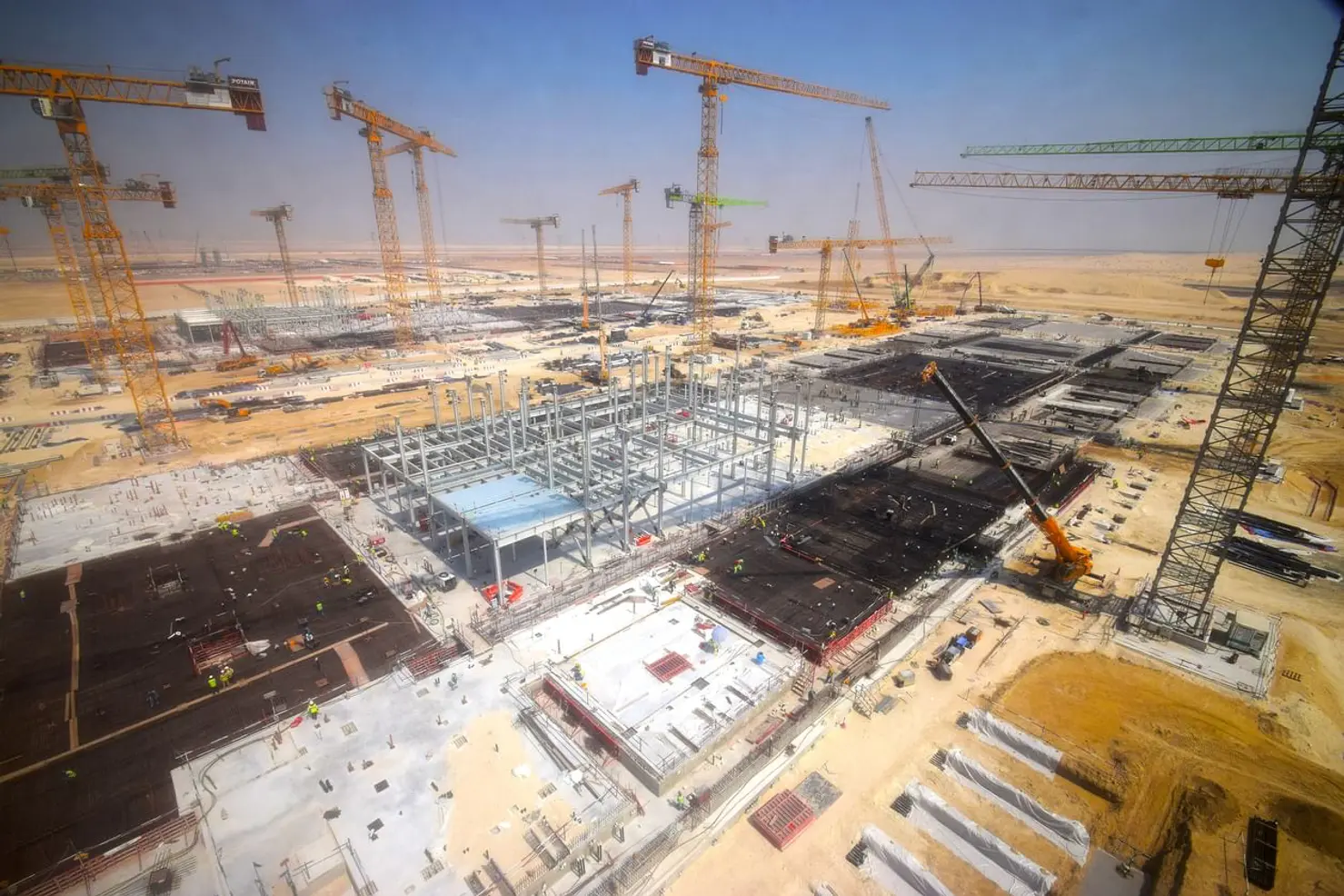
      The expanding conflict involving Iran, Israel, and U.S. forces has unexpectedly dragged one of the world’s most critical pieces of modern infrastructure into the line of fire: commercial data centers. Drone strikes linked to Iran’s retaliatory campaign damaged multiple hyperscale cloud facilities in the Persian Gulf, including Amazon Web Services installations in the United Arab Emirates and Bahrain, causing power disruptions, fires, and temporary outages affecting businesses and financial institutions across the region. The attacks mark the first widely reported instance of major Western cloud infrastructure being directly affected by military activity, exposing how the digital backbone of the global economy—once assumed to be insulated from battlefield dynamics—remains physically vulnerable. The incidents also threaten the Gulf region’s ambitious strategy to transform itself into a global hub for artificial intelligence and cloud computing, a plan backed by tens of billions in Western tech investment. Analysts now warn that the war has opened a new front in modern conflict: the targeting of commercial digital infrastructure that underpins everything from banking to logistics and government operations.

      Sources

      https://www.semafor.com/article/03/03/2026/data-centers-are-caught-in-the-crossfire-of-the-iran-war
      https://www.reuters.com/world/middle-east/amazon-cloud-unit-flags-issues-bahrain-uae-data-centers-amid-iran-strikes-2026-03-02/
      https://apnews.com/article/71066b0a822c4cfd88b61e3fe79af917
      https://restofworld.org/2026/amazon-uae-data-center-fire-iran-strike/

      Key Takeaways

      • Modern warfare is increasingly targeting digital infrastructure, with commercial cloud data centers now emerging as potential strategic targets.
      • Drone strikes damaged multiple hyperscale facilities in the Persian Gulf, disrupting cloud services used by businesses, banks, and governments across the region.
      • The attacks threaten the Gulf’s ambitions to become a global artificial intelligence and cloud-computing hub backed by massive Western technology investment.

      In-Depth

      The expanding confrontation between Iran and its regional adversaries has exposed a harsh reality that many policymakers and technology executives preferred to ignore: the digital economy still depends on vulnerable physical infrastructure. In recent days, drone strikes tied to the conflict damaged multiple hyperscale cloud facilities in the Persian Gulf, including several operated by Amazon’s cloud division. The incidents triggered fires, power disruptions, and temporary outages across parts of the Middle East, demonstrating that the modern internet—often portrayed as a borderless, resilient system—remains grounded in very real buildings filled with servers.

      Two of the affected facilities were located in the United Arab Emirates and reportedly suffered direct impacts from drone strikes, while a third installation in Bahrain sustained damage from a nearby blast. Even though the outages were largely localized and global cloud services continued operating, the disruptions were significant enough to affect banks, corporate clients, and regional technology companies that rely heavily on cloud computing. Amazon advised some customers to reroute workloads to other geographic regions as engineers worked to stabilize affected systems and restore operations.

      The episode underscores an uncomfortable truth about the architecture of the internet. While cloud providers build redundancy into their systems—distributing workloads across multiple availability zones and regions—the underlying facilities themselves remain physical structures susceptible to fires, floods, sabotage, or military strikes. In other words, the cloud may be distributed, but it is far from indestructible.

      What makes the incident particularly alarming is the strategic context. Over the last several years, Gulf states have aggressively marketed themselves as the next great frontier for artificial intelligence infrastructure. Massive investment commitments from Western technology firms have been pouring into the region, with companies building advanced data centers designed to host large AI models and support regional digital economies. The promise was simple: political stability, vast capital, and close alignment with Western partners would create a safe environment for the world’s data and computing power.

      The recent strikes call that promise into question. For the first time, a major geopolitical conflict has directly threatened the physical backbone of the global cloud economy. Analysts now warn that if conflicts continue to escalate, the technology industry may need to rethink how and where it builds the infrastructure powering the digital world.

      One likely outcome is a push toward hardened facilities—data centers designed with military-grade protection or built underground. But such defenses are enormously expensive. Estimates suggest that constructing hardened subterranean facilities can add hundreds of millions of dollars to project costs, which would ultimately ripple through the economics of cloud computing and artificial intelligence infrastructure.

      Another consequence could be greater geographic diversification of cloud resources. Technology companies may accelerate efforts to distribute computing capacity across more countries, ensuring that no single conflict zone can cripple regional digital services. That strategy, however, comes with its own trade-offs, including higher costs and more complex regulatory challenges.

      The broader lesson is difficult to ignore: the digital age has not eliminated the strategic importance of geography. Instead, it has created new targets. Data centers—quiet industrial buildings filled with servers—now sit alongside oil facilities, ports, and pipelines as critical infrastructure capable of influencing economic stability.

      In a world increasingly defined by geopolitical competition, the cloud is no longer just a technological platform. It is becoming another domain of strategic conflict.

      Amazon Intel
      Share. Facebook Twitter Pinterest LinkedIn Tumblr Email
      Previous ArticleTreasury Moves To End Anthropic AI Use As Federal Government Begins Phaseout
      Next Article CERN Turns To Artificial Intelligence To Challenge Long-Standing Physics Theories

      Related Posts

      Anthropic Code Leak Raises Questions About AI Security and Industry Oversight

      April 8, 2026

      European Crackdown Targets Social Media’s Impact on Children

      April 8, 2026

      The Rise Of Agentic AI Signals A Shift From Tools To Autonomous Digital Actors

      April 8, 2026

      AI Chatbots Draw Scrutiny As Teens Engage In Intimate Roleplay And Emotional Dependency

      April 8, 2026
      Add A Comment
      Leave A Reply Cancel Reply

      Editors Picks

      NASA Astronauts Use iPhones to Capture Historic Artemis II Mission Images

      April 8, 2026

      OpenAI Expands Influence With Strategic TBPN Media Acquisition

      April 8, 2026

      Cybersecurity Veteran Turns Focus To Drone Hacking After Decades Battling Malware

      April 6, 2026

      Anonymous Social App Surges In Saudi Arabia, Testing Limits Of Digital Freedom

      April 6, 2026
      Popular Topics
      Series A SpaceX Tim Cook spotlight Tesla Cybertruck Sundar Pichai Sam Altman Startup Ransomware UAE Tech Satya Nadella Viral Robotics Taiwan Tech trending Tesla Software Samsung Series B Quantum computing
      Major Tech Companies
      • Apple News
      • Google News
      • Meta News
      • Microsoft News
      • Amazon News
      • Samsung News
      • Nvidia News
      • OpenAI News
      • Tesla News
      • AMD News
      • Anthropic News
      • Elbit News
      AI & Emerging Tech
      • AI Regulation News
      • AI Safety News
      • AI Adoption
      • Quantum Computing News
      • Robotics News
      Key People
      • Sam Altman News
      • Jensen Huang News
      • Elon Musk News
      • Mark Zuckerberg News
      • Sundar Pichai News
      • Tim Cook News
      • Satya Nadella News
      • Mustafa Suleyman News
      Global Tech & Policy
      • Israel Tech News
      • India Tech News
      • Taiwan Tech News
      • UAE Tech News
      Startups & Emerging Tech
      • Series A News
      • Series B News
      • Startup News
      Tallwire
      Facebook X (Twitter) LinkedIn Threads Instagram RSS
      • Tech
      • Entertainment
      • Business
      • Government
      • Academia
      • Transportation
      • Legal
      • Press Kit
      © 2026 Tallwire. Optimized by ARMOUR Digital Marketing Agency.

      Type above and press Enter to search. Press Esc to cancel.