

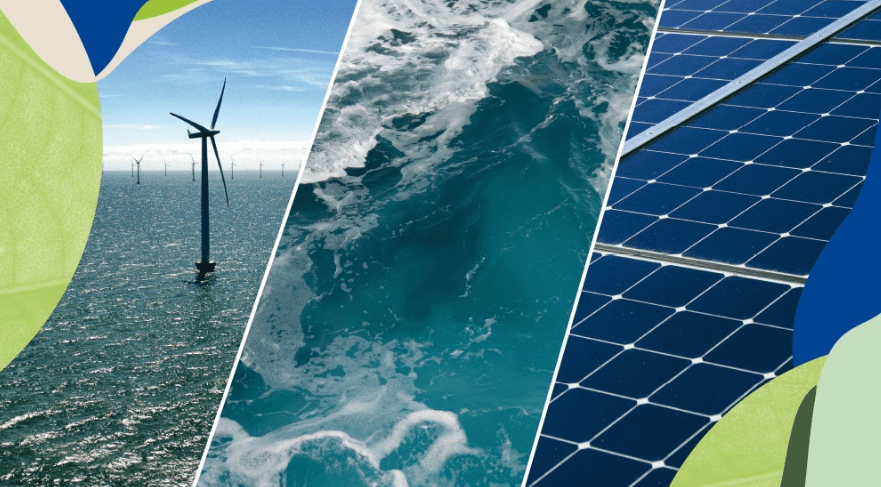
Apple just announced a major expansion of its clean energy push across Europe and China, backing solar and wind projects in Greece, Italy, Latvia, Poland, and Romania that will total about 650 megawatts of new renewable capacity. In Europe, Apple says the move will unlock over $600 million in financing and deliver more than 1 million megawatt-hours of clean electricity by 2030 to offset the energy used by customers charging Apple devices. Meanwhile, its suppliers have launched a $150 million fund in China to support renewable energy infrastructure there. The company claims that ~29 percent of its greenhouse gas emissions in 2024 came from electricity used to power devices, which it’s trying to neutralize via these investments. Critics, however, caution these projects may only scratch the surface of Apple’s overall energy footprint.
Key Takeaways
– Apple is pledging a serious chunk of capital — more than $600 million — into large-scale solar and wind projects across five European nations to add ~650 MW of capacity.
– In China, Apple is encouraging its supplier base to do heavy lifting via a joint $150 million fund for renewable energy infrastructure.
– While the rhetoric is strong, skeptics note that Apple’s new projects may still represent a modest fraction of its total energy demand, raising questions about how far these moves go toward genuine carbon neutrality.
In-Depth
Apple’s latest clean energy push is no marketing gimmick — it’s a full-blown strategic play. On the surface, the numbers are impressive: 650 megawatts of new solar and wind capacity across Europe backed by more than $600 million is a strong vote of confidence in renewables. The logic is straightforward: by building or enabling renewable capacity near where Apple’s devices are used, the company can better claim that the electricity customers use to charge iPhones, iPads, Macs, etc., comes from clean sources, not fossil fuels.
To break it down: Apple says that in 2024, ~29 percent of its total greenhouse gas emissions came from the electricity consumed by devices during use. That’s part of what’s called Scope 3 emissions — emissions tied to how customers use the product after they buy it. The new European projects (Greece, Italy, Poland, Romania, Latvia) are all tied to long-term procurement deals and infrastructure enablement so Apple can more credibly “match” its customers’ electricity use with renewables. That means the power flows into local grids, and Apple’s contracts or financial backing help justify counting that clean energy as offsetting its device footprint.
On the China side, Apple isn’t just buying clean power — it’s mobilizing its supply chain. The recently launched $150 million fund aims to build up renewable capacity among Chinese suppliers and support grid investments. That’s clever, because a substantial part of Apple’s emissions footprint involves manufacturing and supply chain operations located in China and other Asian countries.
But here’s where the picture gets more nuanced. Critics point out that even with these investments, Apple’s new projects hardly cover the totality of its energy demands — especially when factoring in growing demands from data centers, emerging AI workloads, and future device use. A piece from AppleInsider frames it bluntly: these initiatives “don’t scratch the surface” of what Apple consumes. Moreover, some sustainability watchers warn about “greenwashing” — when companies make bold environmental claims without commensurate impact.
Still, from a conservative vantage point, Apple’s approach is smart. Instead of relying purely on carbon credits or offsets, the firm is investing in actual infrastructure. That carries risks (regulatory shifts, permitting delays, grid integration challenges), but it also creates tangible assets and potential control over energy supply. If these investments pay off, Apple could eventually reduce its exposure to volatile electricity markets and deepen influence in regions where clean energy policy and economics pivot.
Ultimately, the true test will come over the next few years: can Apple scale beyond 650 MW in Europe and meaningful renewable capacity in China? Will its accounting remain transparent and defensible amid scrutiny? And can it align growing technology demands with genuine reductions in emissions? The direction is bold — but the runway is long.