

Close Menu

    Subscribe to Updates

    Get the latest creative news from FooBar about art, design and business.

    What's Hot

    Discord to Mandate Global Age Verification With Face Scans and IDs in March 2026

    February 13, 2026

    Microsoft Exchange Online’s Aggressive Filters Mistake Legitimate Emails for Phishing

    February 13, 2026

    Intel Quietly Pulls Plug on Controversial Pay-to-Unlock CPU Feature Model

    February 13, 2026
    Facebook X (Twitter) Instagram
    • Tech
    • AI News
    • Get In Touch
    Facebook X (Twitter) LinkedIn
    TallwireTallwire
    • Tech

      Microsoft Exchange Online’s Aggressive Filters Mistake Legitimate Emails for Phishing

      February 13, 2026

      Hobbyist Finds $500 Worth Of RAM In Landfill As Memory Shortages Bite Hardware Market

      February 13, 2026

      Intel Quietly Pulls Plug on Controversial Pay-to-Unlock CPU Feature Model

      February 13, 2026

      Toyota Announces Open-Source “Console-Grade” Game Engine For Vehicle Systems And Beyond

      February 13, 2026

      Snapchat Rolls Out Expanded Arrival Notifications Beyond Home

      February 13, 2026
    • AI News

      Discord to Mandate Global Age Verification With Face Scans and IDs in March 2026

      February 13, 2026

      Hobbyist Finds $500 Worth Of RAM In Landfill As Memory Shortages Bite Hardware Market

      February 13, 2026

      Chinese Firms Expand Chip Production As Global Memory Shortage Deepens

      February 12, 2026

      AI Agents Build Their Own MMO Playground After Moltbook Ignites Agent-Only Web Communities

      February 12, 2026

      Struggling AI Startups Kept Afloat Despite Never Becoming Profitable

      February 12, 2026
    • Security

      Microsoft Exchange Online’s Aggressive Filters Mistake Legitimate Emails for Phishing

      February 13, 2026

      China’s Salt Typhoon Hackers Penetrate Norwegian Networks in Espionage Push

      February 12, 2026

      Reality Losing the Deepfake War as C2PA Labels Falter

      February 11, 2026

      Global Android Security Alert: Over One Billion Devices Vulnerable to Malware and Spyware Risks

      February 11, 2026

      Small Water Systems Face Rising Cyber Threats As Experts Warn National Security Risk

      February 9, 2026
    • Health

      AI Advances Aim to Bridge Labor Gaps in Rare Disease Treatment

      February 12, 2026

      Boeing and Israel’s Technion Forge Clean Fuel Partnership to Reduce Aviation Carbon Footprints

      February 11, 2026

      OpenAI’s Drug Royalties Model Draws Skepticism as Unworkable in Biotech Reality

      February 10, 2026

      New AI Health App From Fitbit Founders Aims To Transform Family Care

      February 9, 2026

      Startups Deploy Underwater Robots to Radically Expand Ocean Tracking Capabilities

      February 9, 2026
    • Science

      NASA Artemis II Spacesuit Mobility Concerns Ahead Of Historic Mission

      February 13, 2026

      AI Agents Build Their Own MMO Playground After Moltbook Ignites Agent-Only Web Communities

      February 12, 2026

      AI Advances Aim to Bridge Labor Gaps in Rare Disease Treatment

      February 12, 2026

      Boeing and Israel’s Technion Forge Clean Fuel Partnership to Reduce Aviation Carbon Footprints

      February 11, 2026

      Companies Soften Robot Design to Ease Public Acceptance

      February 10, 2026
    • People

      Google Co-Founder’s Epstein Contacts Reignite Scrutiny of Elite Tech Circles

      February 7, 2026

      Bill Gates Denies “Absolutely Absurd” Claims in Newly Released Epstein Files

      February 6, 2026

      Informant Claims Epstein Employed Personal Hacker With Zero-Day Skills

      February 5, 2026

      Starlink Becomes Critical Internet Lifeline Amid Iran Protest Crackdown

      January 25, 2026

      Musk Pledges to Open-Source X’s Recommendation Algorithm, Promising Transparency

      January 21, 2026
    TallwireTallwire
    Home»Tech»Apple Enforces App-Store Standards with Removal of Viral “Tea” & “TeaOnHer” Dating Apps
    Tech

    Apple Enforces App-Store Standards with Removal of Viral “Tea” & “TeaOnHer” Dating Apps

    4 Mins Read
    Facebook Twitter Pinterest LinkedIn Tumblr Email
    Apple Enforces App-Store Standards with Removal of Viral “Tea” & “TeaOnHer” Dating Apps
    Apple Enforces App-Store Standards with Removal of Viral “Tea” & “TeaOnHer” Dating Apps
    Share
    Facebook Twitter LinkedIn Pinterest Email

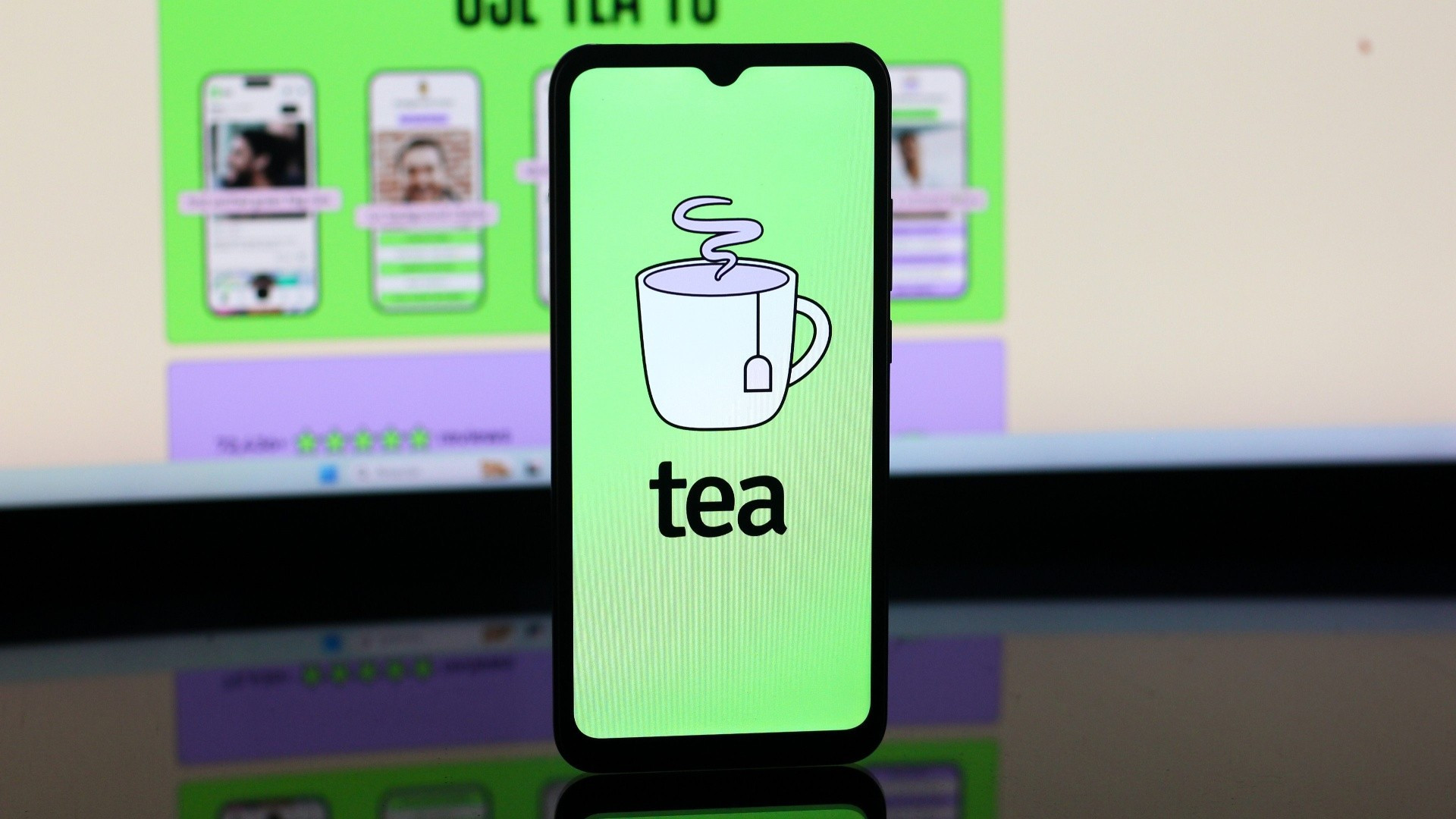
    Apple has confirmed that it removed the viral dating apps Tea and TeaOnHer from the App Store after finding that the developers violated its content moderation and user-privacy policies. According to TechCrunch, Apple flagged issues with guidelines relating to user-generated content, unauthorized sharing of personal information and failure to address high volumes of complaints. The move follows a summer data breach at Tea that exposed approximately 72,000 images—including selfies and photo IDs—from users, raising questions about the app’s security practices and the model of peer-driven dating surveillance.

    Sources: TechCrunch, Times of India

    Key Takeaways

    – Apple’s removal of these apps underscores the tech giant’s increasing willingness to enforce App Store policies on content and privacy — even for apps that have surged in popularity.

    – The model employed by Tea (and by implication TeaOnHer) — a kind of crowdsourced rating and red-flag review system of dates—raises significant legal and ethical questions around defamation, privacy of third parties and data security.

    – The breach at Tea (tens of thousands of images including ID documents exposed) proved a practical trigger for regulatory and platform action; security lapses in apps whose business model depends on user-submitted highly sensitive data can carry outsized risk.

    In-Depth

    The recent removal of the apps Tea and TeaOnHer by Apple marks a high-profile example of platform governance, data-privacy concerns and the unsettled ethics of modern dating tech. These apps had risen rapidly—Tea in particular gained popularity as a “women-only” platform that allowed users to anonymously share reviews of men they had dated or encountered, flagging “red flags” or “green flags” and leveraging community-driven reputation checks. Articles from outlets such as The Washington Post and Business Insider highlighted the appeal of such platforms for users seeking safety and transparency in the online dating landscape — but also flagged serious concerns. For example, the app’s model may outsource risk-assessment to individuals rather than institutional safeguards, possibly fostering defamation or reputational harm when one-sided or false posts go live.

    The turning point arrived in summer 2025 when Tea disclosed a major security breach: approximately 72,000 images—including around 13,000 verification selfies and ID images, plus some 59,000 publicly-viewable posts and messages—were accessed by unauthorized parties. These exposed files reportedly surfaced online (on forums such as 4chan) before being locked down. The breach drew sharp criticism from cybersecurity specialists: one went so far as to describe the platform’s anonymity promise and data handling as “honestly negligent.”

    Against this backdrop, Apple determined the apps violated its App Review Guidelines—specifically rules concerning user-generated content moderation (Guideline 1.2), unauthorized personal-information sharing (5.1.2) and other user complaint issues (5.6). According to published reports, Apple communicated that the developers had “failed to comply” with the requirements, prompting removal of the apps from the App Store listing globally. Notably, the app may still exist on other platforms (e.g., Android’s Google Play), which raises questions about the practical reach of Apple’s policy enforcement and the broader ecosystem response.

    From a conservative viewpoint, this sequence underscores several important truths. First, technology-based “solutions” to complex social phenomena—dating safety, gender dynamics, reputational risk—are rarely plug-and-play; they require robust institutional and legal frameworks that safeguard individual rights, due process, data security and the presumption of innocence. Second, when platforms depend on user-submitted content about third parties (e.g., rating men as potentially unsafe), the risk of misuse, defamation, and mass reputational damage becomes very real. Third, the episode reinforces that companies operating at scale must anticipate the risks of highly sensitive data and community-driven review platforms: lax security, weak governance or ambiguous moderation are no longer acceptable.

    Looking ahead, the incident invites scrutiny of similar apps or business models: how they verify users, how they moderate content, how they protect user data, how they deal with potentially false accusations and third-party rights. For investors or entrepreneurs in the dating-tech space, the caution should be clear: a viral surge does not equate to long-term viability if foundational legal or security obligations are neglected. And from a user-trust perspective, platforms that brand themselves as safety tools but fail core privacy or moderation tests risk swift backlash and regulatory/market elimination.

    The removal of these apps may serve as a precedent: platforms that rely on anonymous reputational feedback of individuals and handle sensitive data should expect heightened regulatory scrutiny, increased liability and less room for informal or crowd-sourced justice. For users, the idea of outsourcing “vetting” to community apps may appear compelling—but the infrastructure behind those claims often lacks the rigorous protections of legal or institutional systems. In the end, technology is not a substitute for sound legal standards, oversight and individual responsibility—especially in domains as personal and consequential as dating and reputation.

    Share. Facebook Twitter Pinterest LinkedIn Tumblr Email
    Previous ArticleApple Doubles Down on Green Power — Tossing $600M Into European & Chinese Renewable Projects
    Next Article Apple Eyes $1 B Annual Deal With Google to Power Next-Gen Siri

    Related Posts

    Microsoft Exchange Online’s Aggressive Filters Mistake Legitimate Emails for Phishing

    February 13, 2026

    Hobbyist Finds $500 Worth Of RAM In Landfill As Memory Shortages Bite Hardware Market

    February 13, 2026

    Intel Quietly Pulls Plug on Controversial Pay-to-Unlock CPU Feature Model

    February 13, 2026

    Snapchat Rolls Out Expanded Arrival Notifications Beyond Home

    February 13, 2026
    Add A Comment
    Leave A Reply Cancel Reply

    Editors Picks

    Microsoft Exchange Online’s Aggressive Filters Mistake Legitimate Emails for Phishing

    February 13, 2026

    Hobbyist Finds $500 Worth Of RAM In Landfill As Memory Shortages Bite Hardware Market

    February 13, 2026

    Intel Quietly Pulls Plug on Controversial Pay-to-Unlock CPU Feature Model

    February 13, 2026

    Toyota Announces Open-Source “Console-Grade” Game Engine For Vehicle Systems And Beyond

    February 13, 2026
    Top Reviews
    Tallwire
    Facebook X (Twitter) LinkedIn Threads Instagram RSS
    • Tech
    • Entertainment
    • Business
    • Government
    • Academia
    • Transportation
    • Legal
    • Press Kit
    © 2026 Tallwire. Optimized by ARMOUR Digital Marketing Agency.

    Type above and press Enter to search. Press Esc to cancel.