

NASA’s Artemis II mission has successfully completed its journey with a Pacific Ocean splashdown, marking the first crewed lunar flyby since the Apollo era and validating the systems needed for sustained deep space exploration; the mission demonstrated Orion’s ability to safely transport astronauts beyond low Earth orbit and return them at high speeds, while also reinforcing the growing role of commercial partnerships in accelerating space capabilities and setting the stage for future lunar landings and long-term infrastructure that could eventually expand access to space beyond government astronauts.
Key Takeaways
- Artemis II moves toward validating that deep space missions can be repeated reliably, not just executed as one-off events. The program accelerates private sector involvement, which is key to lowering costs over time and getting space missions done sooner.
- The Artemis II mission represents a structural shift in space exploration. NASA is now focused on proving repeatable systems rather than one-time achievements. This approach is critical for building long-term capability beyond Earth.
Orion’s successful return confirms modern spacecraft can handle deep space conditions. High-speed re-entry and system performance reduce risk for future missions. This builds confidence for more frequent human spaceflight.
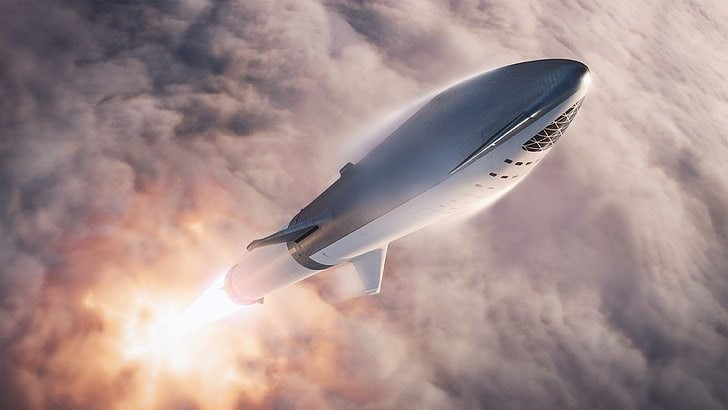
A major difference is the role of commercial partners. Private companies are now core to mission design and execution. Although SpaceX was not directly involved in this mission, it was consulted to be part of future missions that would involve its lunar lander, Starship rocket and refueling capabilities.
Over time, this drives down costs and increases launch frequency. As access improves, space becomes less exclusive. The economic model begins to resemble other scaled industries.
The implications extend beyond government astronauts. Suborbital flights and private missions are already emerging. Lunar flybys and broader access are becoming more realistic.
Artemis II is less about a single mission and more about proving a system. It means human spaceflight is moving from one-off high risk missions to frequent operational capabilities.