

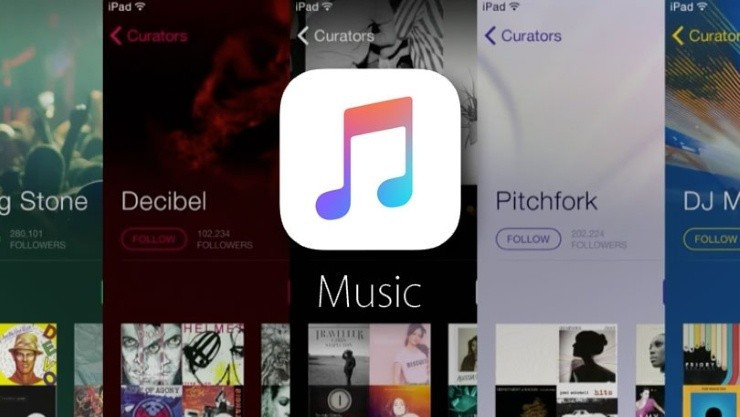
Apple Music has introduced a built‑in “Transfer Music from Other Music Services” tool that enables users to import their personal playlists, saved albums, and tracks from rival platforms such as Spotify—powered by a partnership with SongShift. After an initial beta phase in Australia and New Zealand, the tool now spans the U.S., U.K., Brazil, Canada, France, Germany, and Mexico, accessible via the Music settings on iPhone, iPad, Android, or through the web. The tool matches music to Apple’s catalog and alerts users when items need review, while users have a 30‑day window to select alternatives before the process completes. The rollout comes as indie artists—including Godspeed You! Black Emperor, King Gizzard & the Lizard Wizard, and Hotline TNT—withdraw from Spotify, citing ethical concerns and low royalty payouts.
Sources: Pitchfork, Mac Rumors, Apple Insider
Key Takeaways
– The feature supports importing only user-created playlists, not those curated by the streaming services themselves.
– Apple Music uses SongShift technology to facilitate the transfer and even suggests alternate tracks if exact matches aren’t found.
– The rollout coincides with a wave of indie artists quitting Spotify over ethical and financial issues, potentially influencing user migration.
In-Depth
Apple Music’s latest move to streamline playlist transfers comes at a timely juncture—and not by accident.
For years, the biggest barrier to switching between streaming platforms has been the headache of rebuilding your carefully curated library. Now, Apple makes it easier: just hop into the Music app’s settings or go through the website and hit “Transfer Music from Other Music Services.” You’ll log into your old service, pick your playlists, albums, and saved tracks, and let Apple do the heavy lifting—courtesy of SongShift. The matching system handles most of it, but if any songs don’t line up perfectly in the Apple catalog, you’ll get a “Some Music Needs Review” flag, letting you pick a close match within a 30-day window.
This isn’t merely a tech convenience—it’s a strategic play. As more indie bands pull their content off Spotify, citing ethics, low royalties, and concerns tied to leadership ties, Apple’s updated tool may become a popular exit ramp for frustrated fans. Call it smart timing: Apple presents itself not just as a streaming option, but as a destination that lets users keep what matters—while perhaps signaling a shift in where music lovers—and musicians—want to be.
What Apple’s quietly done is turn its walled garden from barrier to bridge. Now staying inside it is easier than stepping out—especially if you’ve already built your music life elsewhere.